In 2017, Mariela Camacho, the daughter of Mexican immigrants, was baking sourdough for Seattle coffee shops when she decided to reconnect with her roots by learning to make conchas—the oversized sweet buns that are a staple of Mexican panaderías.
There was just one problem: she had no clue where to start. "My family cooks, but they don't bake, so I had to figure it out myself," she explained. "Nine years ago, conchas were not cool, so I basically had to teach myself."
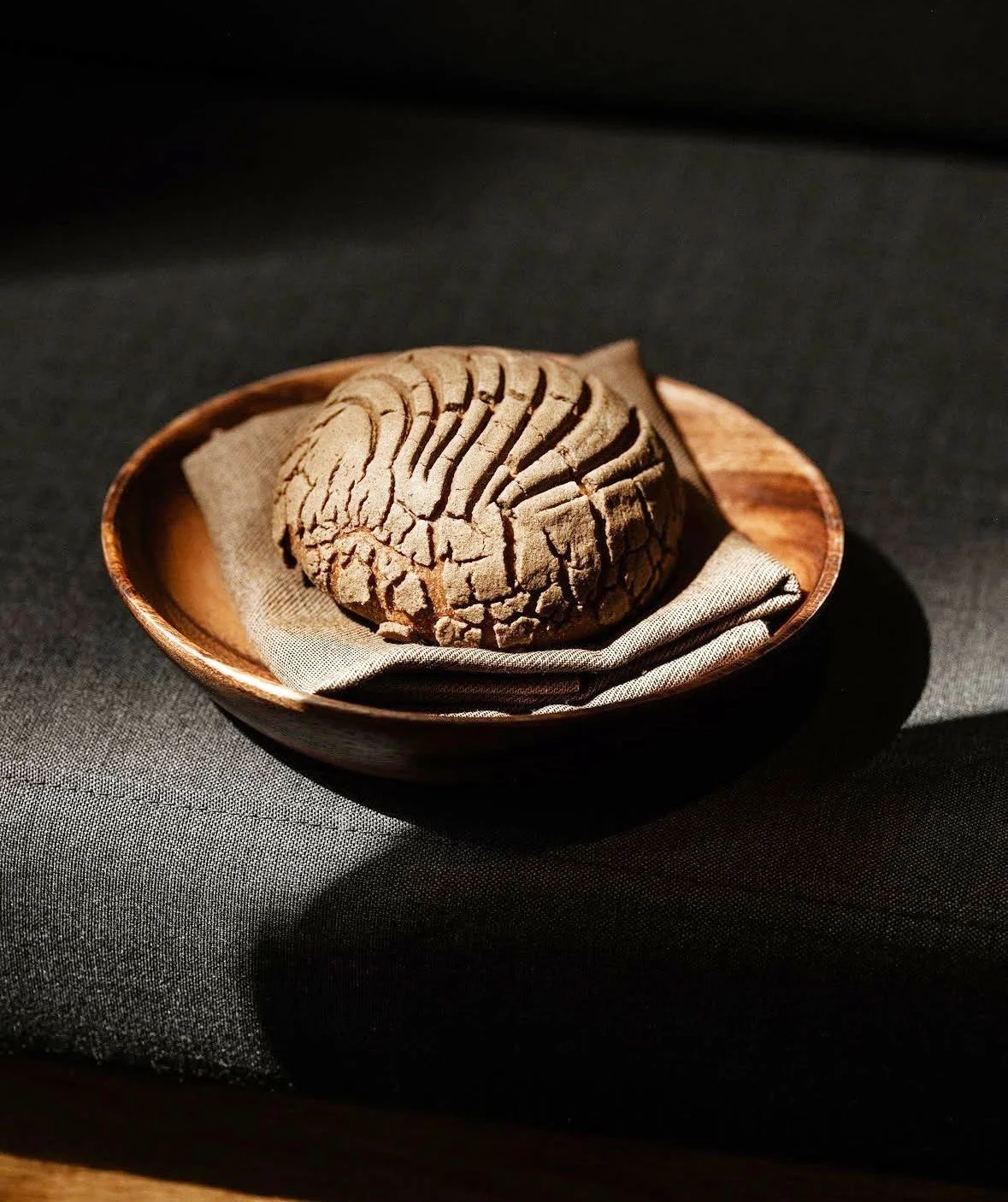
Fast forward to today, and Camacho is turning out vibrant conchas in inventive flavors like earl grey and vanilla, hot chocolate with saffron and guajillo, and brown butter lavender at Comadre Panadería, her hot-pink bakery in Austin, Texas.
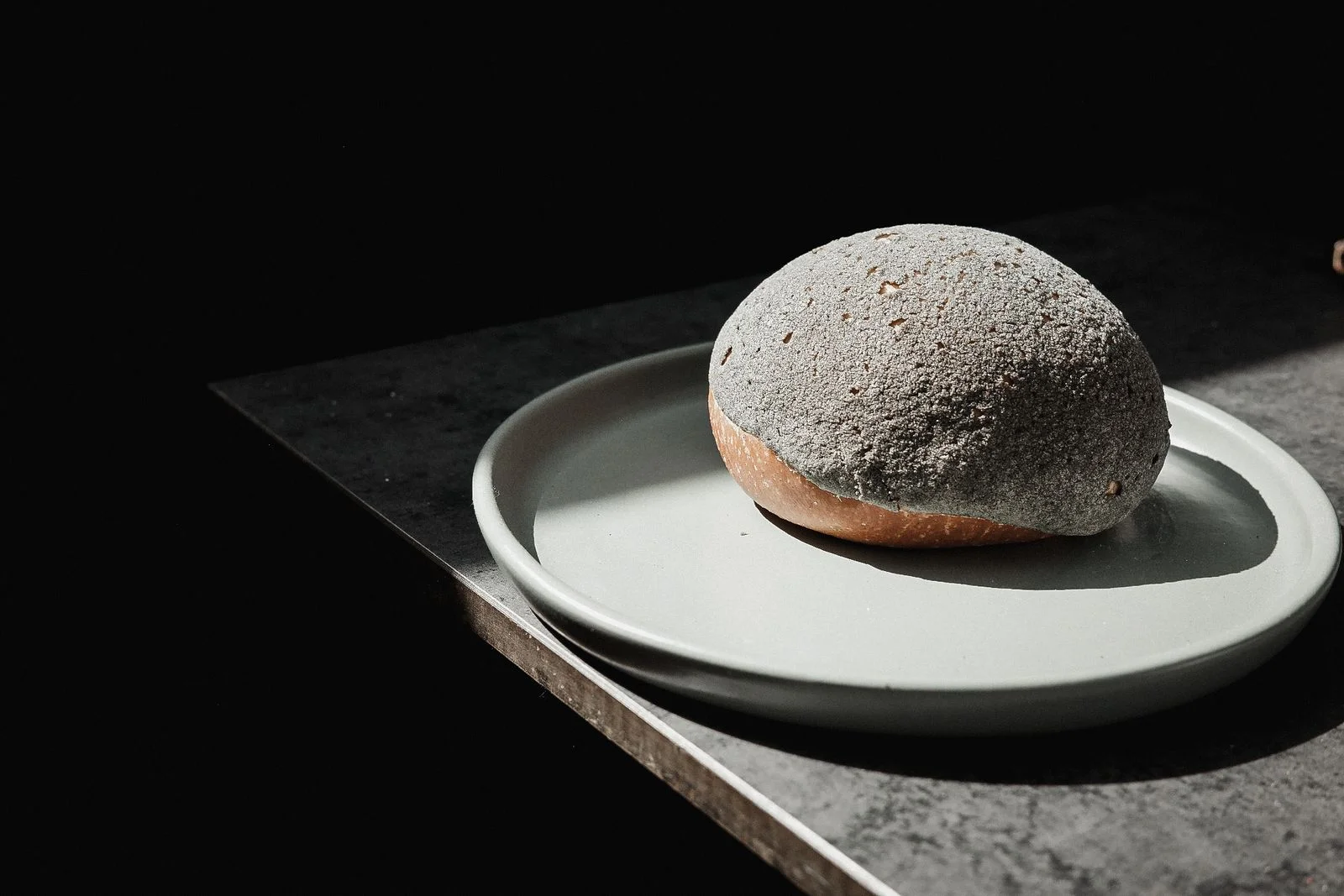
Camacho is hardly an outlier. Modern conchas are showing up everywhere: at Vato and Cosme in New York, Santa Canela and My Panecito in Los Angeles, and Atla's Conchas in Vermont. Even Popeyes got in on the action, launching a Tequila Don Julio–flavored concha chicken sandwich during the Super Bowl.
The most telling sign of the concha's rise came last February at La Rue Doughnuts, a French bakery in Dallas, where the croissant met the concha head-on. "The croncha was an organic way to bring together the cultures in our kitchen," said owner Amy La Rue, referencing her predominantly Mexican staff. The hybrid pastry—laminated like a croissant, topped like a concha—drew lines around the block and repositioned the humble bun as a legitimate rival to French pastry.
The numbers back it up. Food industry research firm Datassential reports that conchas on menus have surged 68% over the past four years, with 53% of Gen Z diners saying they're "definitely interested" in trying one—higher than any other generation.
"We're bringing our childhood memories to the table, and now people are paying attention," said Erick Rocha, pastry chef at Corima in Manhattan and the all-day café Vato in Park Slope, Brooklyn, where conchas routinely sell out. "A lot of us are putting conchas on the map for the American public."
Building on Tradition
The concha's origins reach back to the 16th century, when Spanish colonizers introduced wheat to the Americas. Pan dulce culture flourished during the 19th century as French baking techniques took hold, and conchas became fixtures in Mexico City's cafés de chinos—Chinese-run eateries that dotted the capital in the early 1900s. The pastry has since evolved far beyond its traditional vanilla and chocolate varieties, with modern interpretations like the hoja santa-infused conchas at Mexico City's renowned Panadería Rosetta.
In the United States, a new generation of pastry chefs is reimagining the concha through a dual lens of cultural heritage and local identity. Techniques vary widely: some bakers work with brioche or sourdough bases, while others source heirloom grains and premium Mexican ingredients like cacao, cinnamon, and vanilla.
"We took inspiration from the cultural biodiversity of New York City," Rocha explained, describing conchas filled with yuzu curd and toasted tomoxtle chantilly cream.
Camacho centers her approach on Mexican terroir, working with fresh masa, cacao, and heritage wheat varieties including Yecora Rojo and Sonora. "It feels very appropriate to use flour grown in the Sonora Desert, which stretches into northern Mexico," she noted.
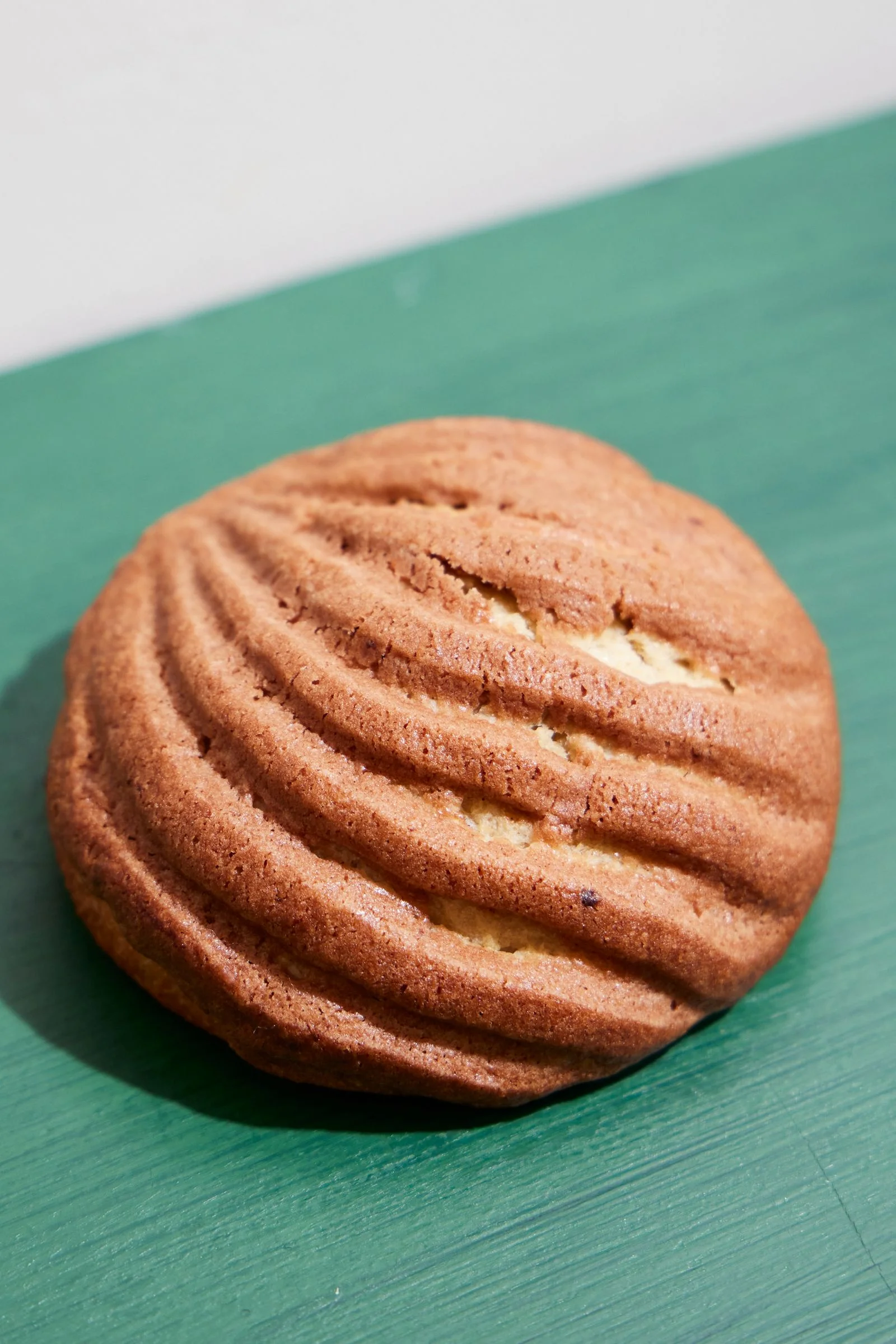
At Atla's Conchas, a micro-bakery in rural Vermont, Mauricio Lopez Martinez and Caroline Anders bake conchas from a traditional Oaxacan recipe perfumed with ground anise and vanilla. Their distinctive approach involves house-milled "full inclusion" flour—unsifted flour that retains the bran, germ, and endosperm. This stands in contrast to refined white flour, which isolates only the starchy endosperm while discarding nutrients and flavor. "We put the wheat berries in the mill and the flour that comes out is exactly what we use," Anders said. "White flour was brought over by the conquistadors as a sign of wealth. Part of challenging that history is challenging the idea that white flour is superior."
The Next Generation
For many contemporary bakers, the concha represents both creative opportunity and cultural reclamation—a humble pastry now receiving the same attention and innovation traditionally reserved for European baking.
"I grew up eating them," said Fany Gerson of Fan-Fan Doughnuts, who often began her mornings in Mexico City with a concha. She views its growing popularity as part of a larger cultural shift. "Mexico is so influential in the U.S., and in the last decade Mexico City has become one of the most popular places to visit. The concha feels familiar, and like a donut, it's a canvas for flavor."
At a recent Barcelona pop-up, Gerson showcased hibiscus-vanilla conchas with passion fruit curd, black sesame versions with horchata cream, and corn masa conchas filled with fresh corn custard.
"There is a new wave of bakers doing conchas," said Ellen Ramos, pastry chef at Santa Canela in Los Angeles, part of the Muy Salsa restaurant group. Drawing inspiration from East LA landmarks like El Águila Bakery, where she grew up, Ramos creates contemporary flavors including cookies and cream, orange blossom, and speculoos. The bakery's success has fueled expansion plans for two additional California locations and a Burbank Airport kiosk.
Ramos embraces experimentation—even croissant hybrids. "It's okay to push boundaries," she said. "The concha is a way to carry tradition through our own lens so it lives on."
Comadre Panadería, Austin, Texas
Santa Canela, Los Angeles
My Panecito, Los Angeles
Fan-Fan Doughnuts, Brooklyn
Vato, Brooklyn
Cosme, Manhattan
Atla's Conchas, Randolph, Vermont
La Rue Doughnuts, Dallas