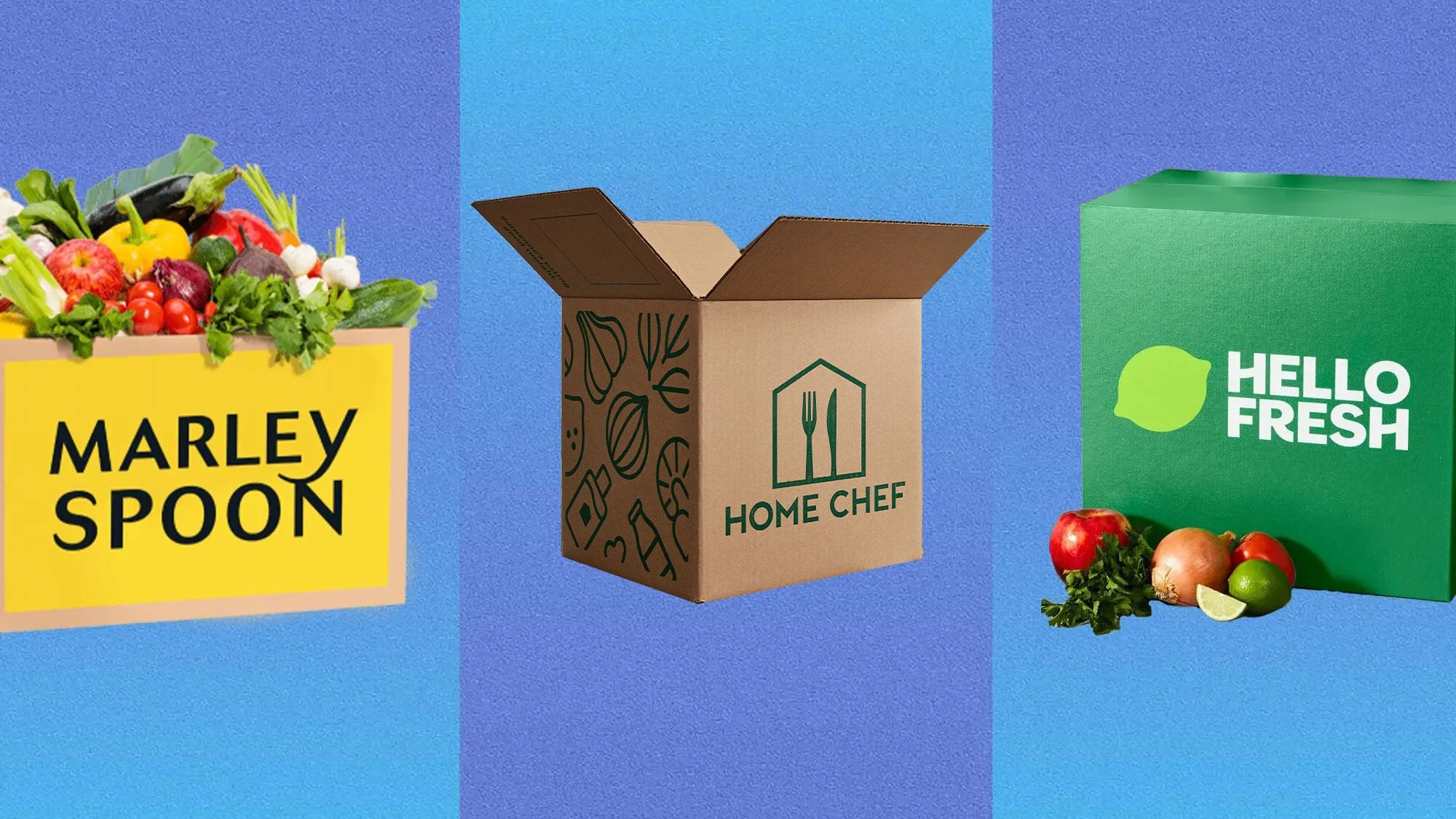
I've Tried Every Meal Delivery Service and, Honestly, Only a Few Are Worth Your Money

I love to cook—which should come as no surprise considering where I work. But while I relish the opportunity to pull together an elaborate meal, the reality is that most weeknights I find myself arriving home at 7 p.m. to a sad, mostly empty fridge, and so I settle for frozen dumplings or boxed mac and cheese.
That’s where meal delivery services come in: The best ones make cooking weeknight meals seamless, stress-free, and fun, without the need for a weekly meal-planning sesh or trip to the grocery store. They can also introduce you to new techniques, ingredients, or hacks that’ll inform your approaches to home cooking more broadly—something boxed mac and cheese, for all its merits, could never do.
Our top picks
- Best meal kit overall: Marley Spoon
- Best for most people: Home Chef
- Best for families: HelloFresh
- Best prepared meal delivery service: CookUnity
- Most affordable: Dinnerly
- If you hate grocery shopping: Hungryroot
- Best organic meal kit: Green Chef
- Best plant-based: Purple Carrot
- Best semi-prepared: Tovala
- Best for wellness heads: Sakara
We’ve spent years rigorously testing the top players in the field in order to make recommendations that are best suited to your specific needs. Go directly to our top picks to order your weekly meals, or skip down to learn more about how our editors tested these kits.
New in this update: We added fresh testing notes to our CookUnity, Factor, Hungryroot, and Purple Carrot entries.
- How do the top meal kits compare?
- Best overall: Marley Spoon
- Best for most people: Home Chef
- For families: HelloFresh
- Best prepared service: CookUnity
- The best bang for your buck: Dinnerly
- If you hate grocery shopping: Hungryroot
- For organic ingredients: Green Chef
- An entirely plant-based option: Purple Carrot
- A semi-prepared meal kit: Tovala
- For health and wellness heads: Sakara
- How we tested these services
- What makes a good meal delivery service
- Other meal kits we’ve tested
- FAQ
How do the top meal kits compare?
| Marley Spoon → Jump to review | Home Chef → Jump to review | HelloFresh → Jump to review | Hungryroot → Jump to review | CookUnity → Jump to review | Dinnerly → Jump to review | Purple Carrot → Jump to review | Green Chef → Jump to review | Sakara → Jump to review | |
| Cost per serving | $9 to $13 | $9+ | $10 | $9+ | $12+ | $8 | $13 | $11.99 | $27+ |
| Type of meal kit | Primarily kit; heat-and-eat meals available | Primarily kit; heat-and-eat meals available | Primarily kit; heat-and-eat meals available | Kit and grocery | Fully prepared | Kit | Kit; heat-and-eat meals available as add-ons | Primarily kit; heat-and-eat meals available | Fully prepared |
| Option for add-ons? | Yes | Yes | Yes | Yes | Yes | Yes | Yes | Yes | Yes |
| Vegetarian/vegan-friendly? | Yes | Yes | Yes | Yes | Yes | Yes | Yes; vegan only | Yes | Yes; fully plant-based |
| Other diets they accommodate | Gluten-free, low-calorie, low-carb, picky eater–approved, quick-and-easy | Protein-packed, calorie-conscious, carb-conscious, Mediterranean, keto-friendly, gluten-smart, pescatarian | High-protein, vegan, vegetarian, Low-carb, gluten-free, plus various other nutrition preferences | Dairy-free, gluten-free, pescatarian, allergen-free, plus various other nutrition preferences | Dairy-free, gluten-free, pescatarian, keto, paleo, plus various other nutrition preferences | Low-calorie, low-carb, gluten-free, “picky eaters” | High-protein, gluten-free | Protein-packed, keto, gluten-free, calorie-smart | Gluten-free, detox programs available |
Best meal kit overall: Marley Spoon
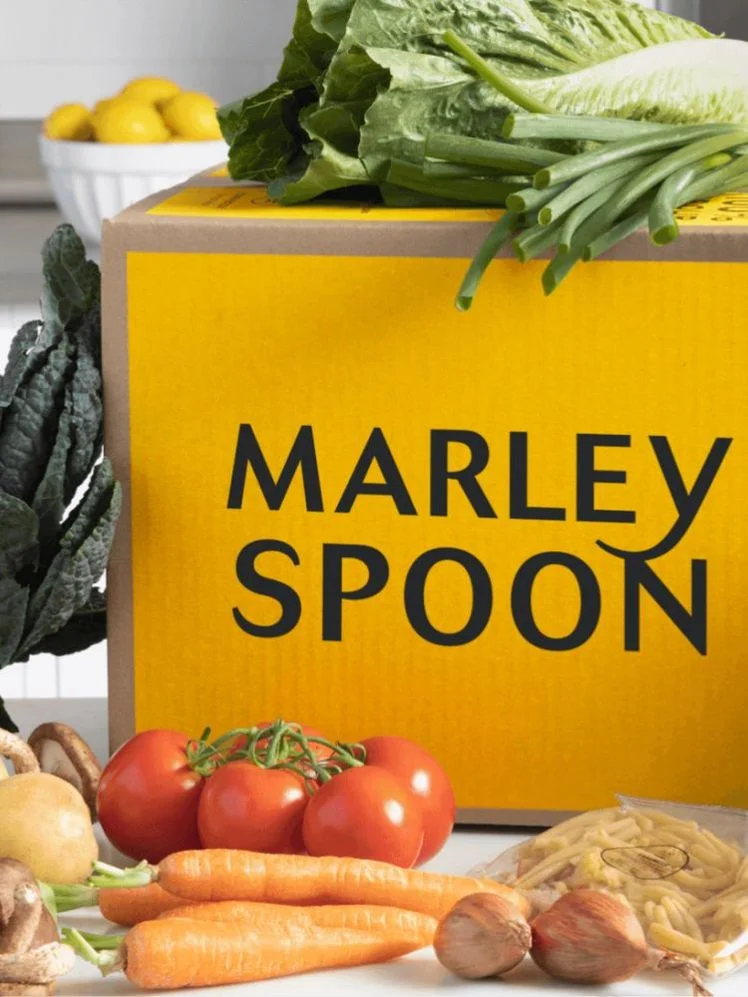
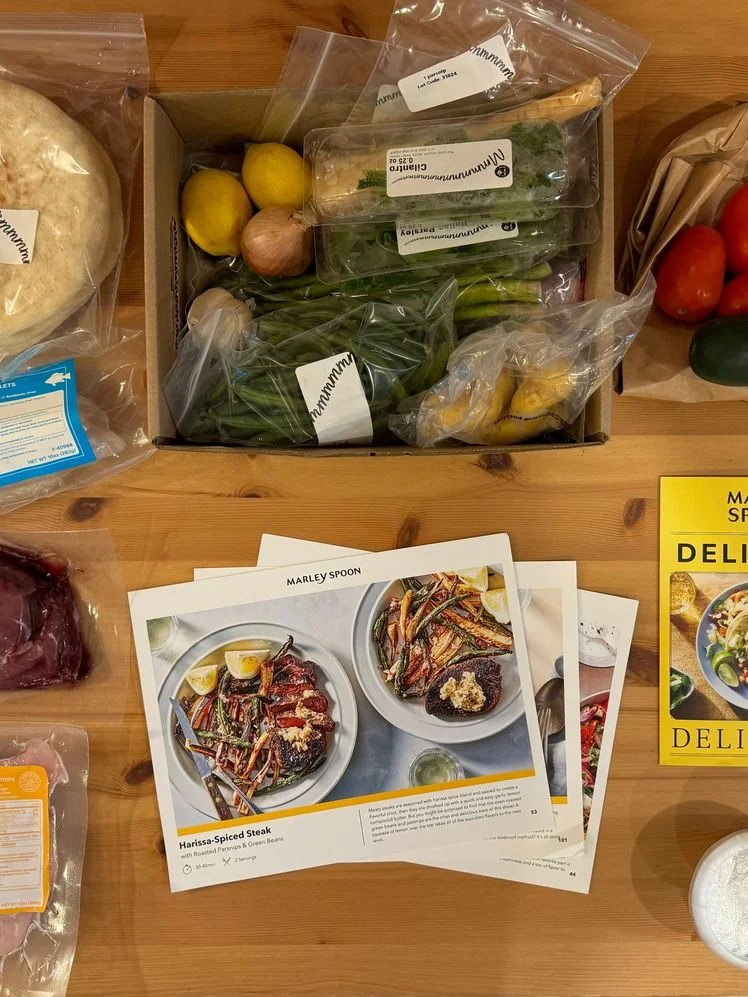
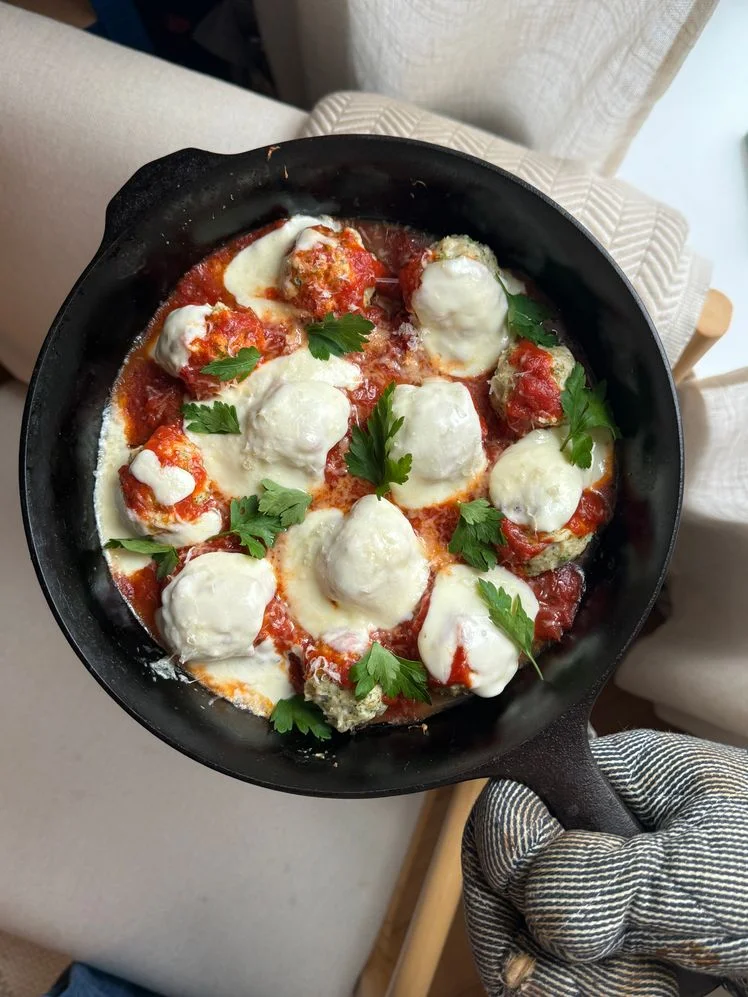
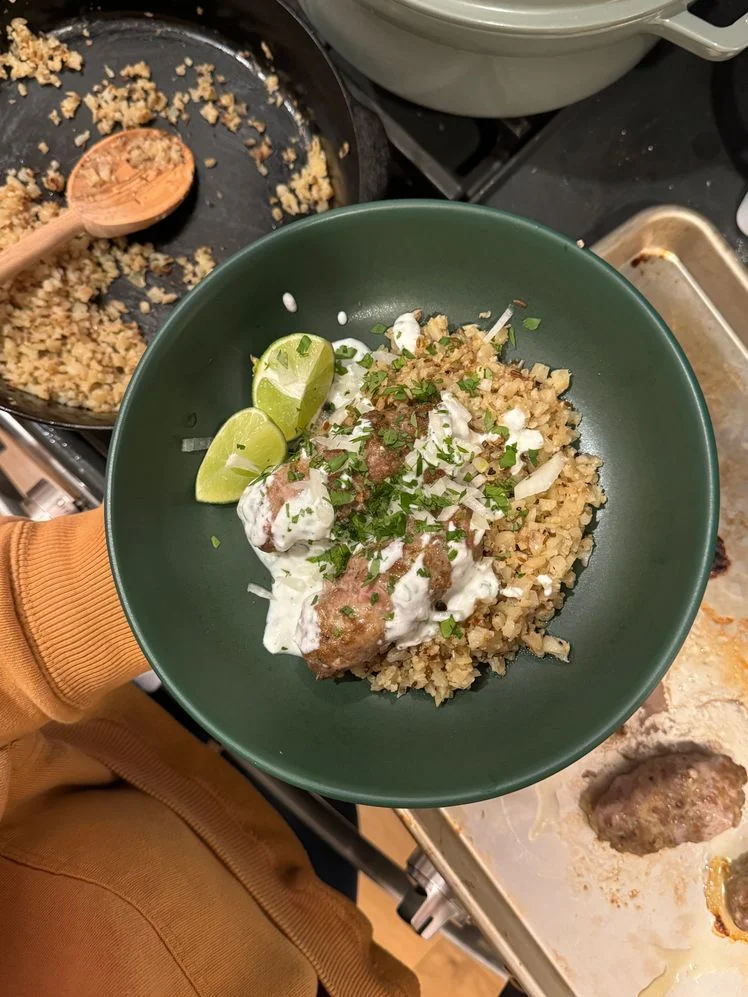
Marley Spoon's claim to fame is its partnership with Martha Stewart, whose most beloved recipes rotate through its weekly menu of 100-plus options. But you don't need to be a Martha devotee to love it. Commerce writer Alaina Chou, initially skeptical, was won over by how much it felt like actual cooking—vegetables arrive whole, techniques are real, and ingredient pairings are thoughtful. It's the kit for people who love to cook but hate to grocery shop.
For home cooks who love being in the kitchen but struggle to find time for meal planning and grocery shopping, Marley Spoon is a natural fit. Chou found that cooking from it felt much like her normal cooking experience—as if some kind soul had collected all the ingredients and pre-portioned the spices beforehand. Vegetables arrive whole, not pre-chopped; a recipe might have you searing a steak or roasting a couple of chicken thighs. The boxes also introduced new techniques and clever recipe riffs (like chicken parm made simpler with meatballs instead of cutlets), the order of operations always made logical sense, and the ingredients were consistently well thought-out—if a recipe uses cilantro leaves as garnish, chances are it'll have you use the stems elsewhere in the dish.
While Marley Spoon does offer some heat-and-eat options that can be a good add if you’re in the market for an easy office lunch, that’s not necessarily where this service excels. It's best suited for people who are genuinely interested in cooking but want to make the process easier and more attainable.
What’s the ordering process like? Straightforward: select a dietary preference (options include Gluten-Free-Friendly, Low Calorie, Picky Eater Approved, Quick & Easy, and Vegetarian) or opt for Everyday Variety. From there, choose your serving size and cadence—two or four servings, anywhere from two to six meals per week—then pick from a rotating menu of close to 100 recipes. It's easy to adjust servings, scale meals up or down, or skip weeks when life gets busy.
How was the unboxing experience? Everything arrived in an insulated box with a large ice pack at the bottom and was still nice and cold, even after Chou left it sitting on her stoop for a few hours one time. The ingredients were well-packaged in a minimal amount of plastic, at least compared to many other meal kits: Whole vegetables were free from any plastic wrapping, though spices and sauces came in packet form.
| Type of meal delivery service: | Meal kit |
| Typical prep and cooking time: | 30 to 40 minutes |
| Gluten-free options: | Yes |
| Plant-based options: | Yes |
| Add-ons available: | Yes |
| Average meal price: | $9 to $13 |
| Additional shipping fee: | $11.99 per order |
- Variety of delicious recipes from the all-star Martha Stewart archive
- Feels like real cooking
- High-quality ingredients
- Requires decent amount of prep work
- Comparatively time-consuming recipes
Click here for our full review of Marley Spoon
Best meal kit for most people: Home Chef
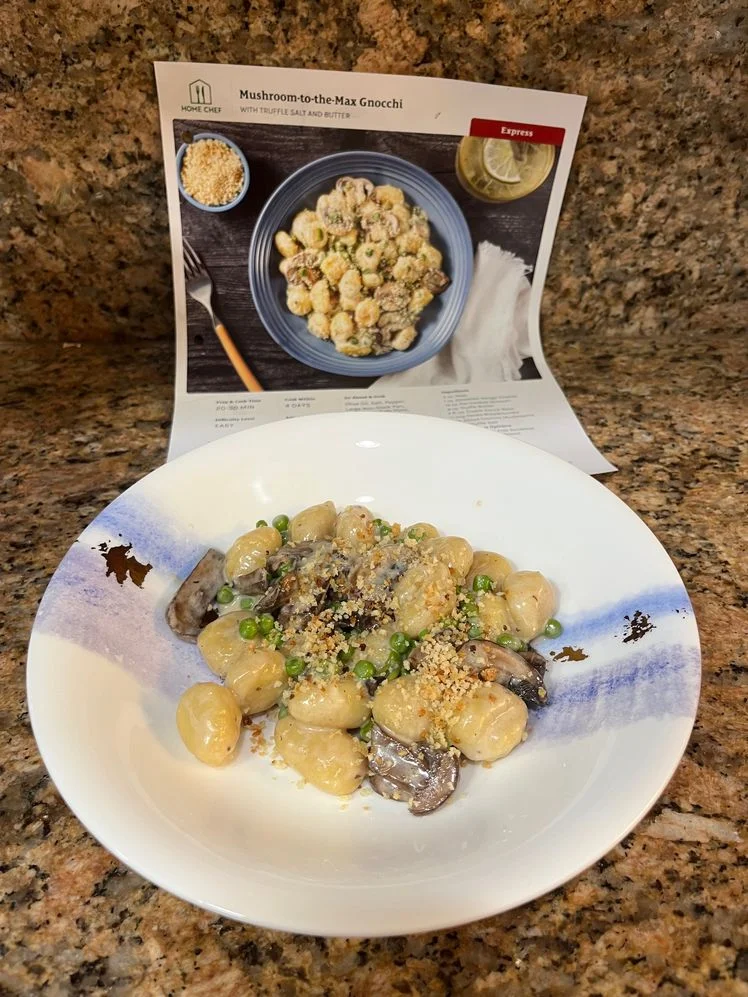
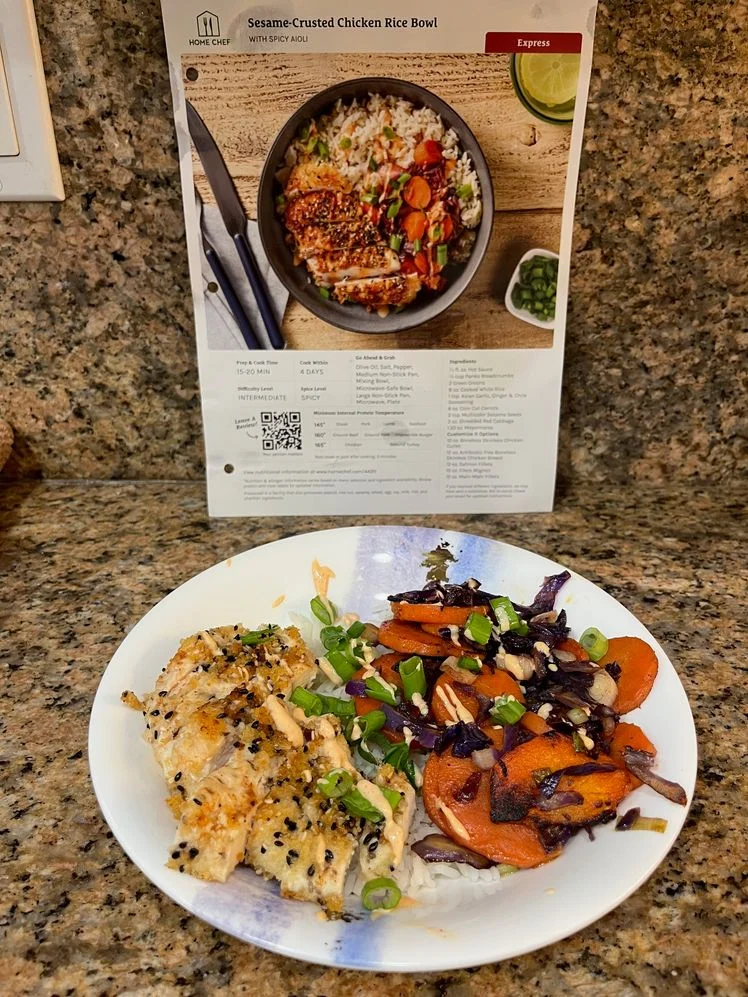
Thanks to its variety of recipes and customization options (it's particularly great at catering to dietary restrictions), Home Chef is sure to please most palates—and lifestyles. You can easily select the proteins, number of deliveries, and portion amounts on a week-to-week basis. This flexibility makes Home Chef a fit for households where one or more people might not be home each night for dinner.
You can select the proteins, number of deliveries, and portion amounts on a week-to-week basis. “This flexibility makes Home Chef a fit for households where one or more people might not be home each night for dinner,” says Emily Johnson, former associate commerce director.
“Home Chef sent me recipes I wouldn’t have thought of myself, which taught me techniques I genuinely wouldn’t have tried on my own. Chicken breasts in premade pastry might feel a little ’90s, yes, but are also delicious—and cooking them reminded me there’s an arsenal of dated-but-delightful meals from mom worth resurrecting,” says Johnson.
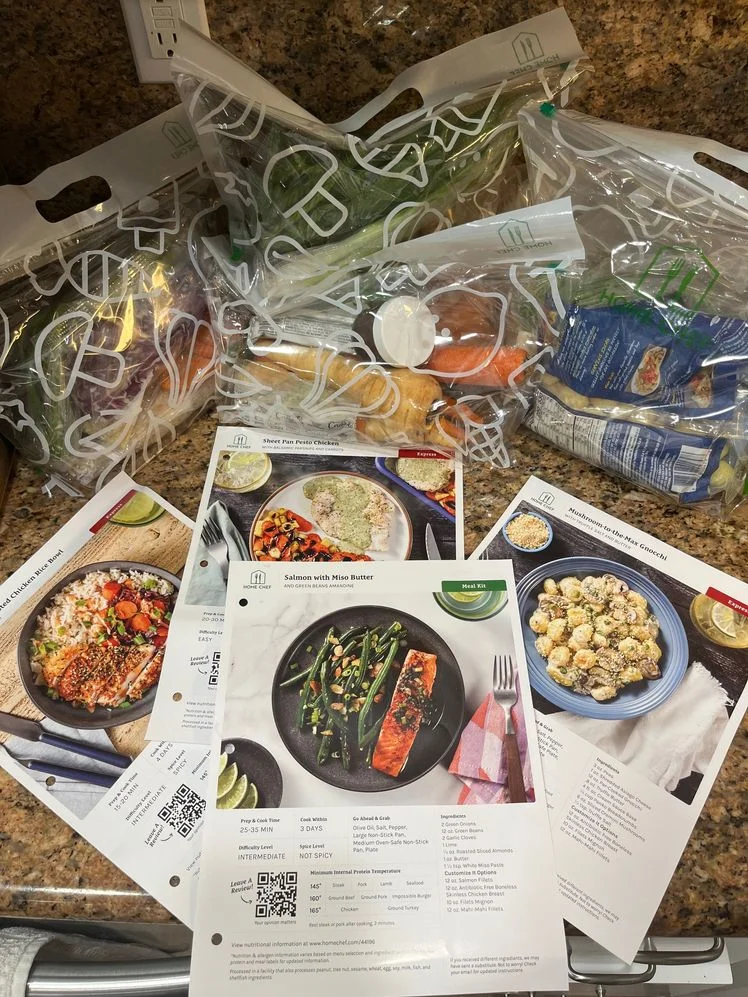
For weeks when you’re particularly busy, Home Chef offers oven-ready meals that come with their own tin and grill-ready meals that arrive in a foil bag. Or, you could opt for the more traditional preportioned “express” 30-minute meal kits, prepped 15-minute meal kits, or the Fast & Fresh option, a fully prepared meal you just have to stick in the oven or microwave. Contributor Alexis Berger noted that she found the estimated cook times to be pretty accurate for each of the meals she tested, whether they were of the “express” or “classic” variety.
On weeks where you have more time to spare and are genuinely looking to gain recipe inspiration and even learn some new cooking skills, Home Chef’s “Culinary Collection” offers some more advanced recipes. “I liked pounding a pork chop thin and covering it in breadcrumbs—the result was crispy on the outside and tender on the inside, and the kind of thing I’d never think to make when cooking for one,” says Johnson. She also noted that she likes that Home Chef offers snack, dessert, and breakfast options like maple brown sugar oatmeal bites from GoOats.
What’s the ordering process like? Like many meal kits, with Home Chef, you take a quiz that outlines your dietary preferences, meal planning needs, and more to allow them to cater the right meals to you. It’s easy to sign up and easy to get the meals that fit your lifestyle delivered to you.
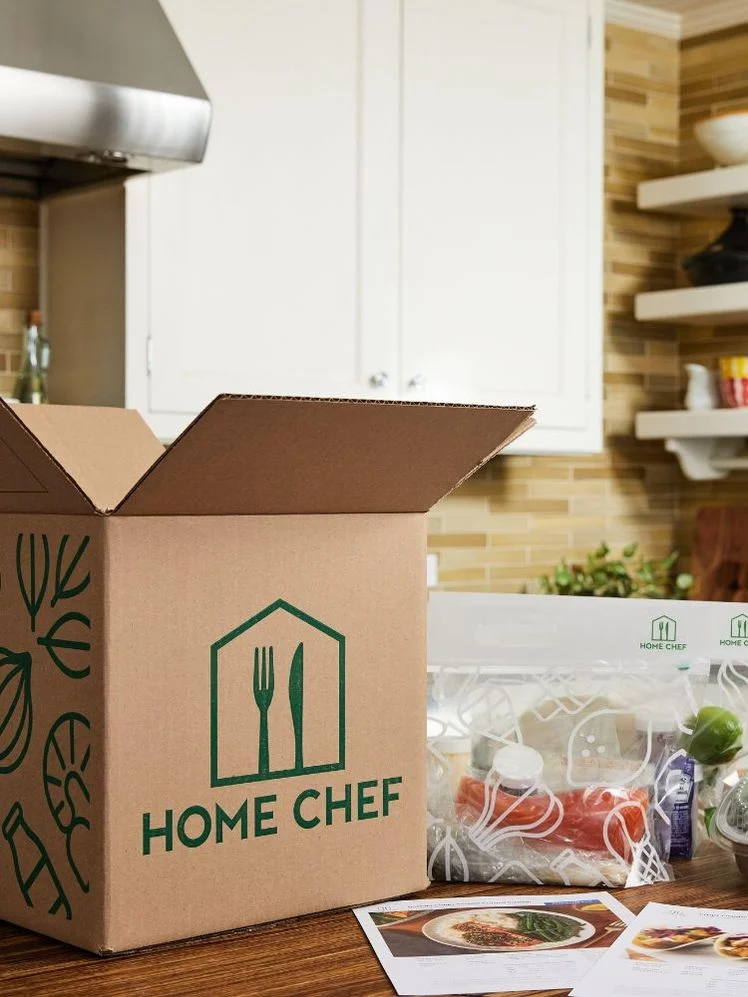
How was the unboxing experience? Home Chef meals come in individual plastic bags that contain everything you need to make your meal; it’s satisfying and perfectly organized. However, the packaging can feel a bit wasteful.
| Type of meal delivery service | Kit with pre-portioned ingredients; prepared meals |
| Plan options | 2-6 recipes per week; 2, 4, or 6 servings per recipe |
| Average meal price | $6.99 to $9.99 depending on the number of meals per order |
| Additional shipping fee | $10.99 per box |
| Typical prep and cooking time | 15 to 30 minutes |
| Meal types | Lunch, dinner; breakfast, snacks, and desserts are extras |
| Gluten-free options | Yes |
| Plant-based options | Yes |
- Meal variety
- Organized packaging
- Recipes and flavors feel traditional
- Packaging can feel wasteful
Read our full Home Chef review
Best for families: HelloFresh
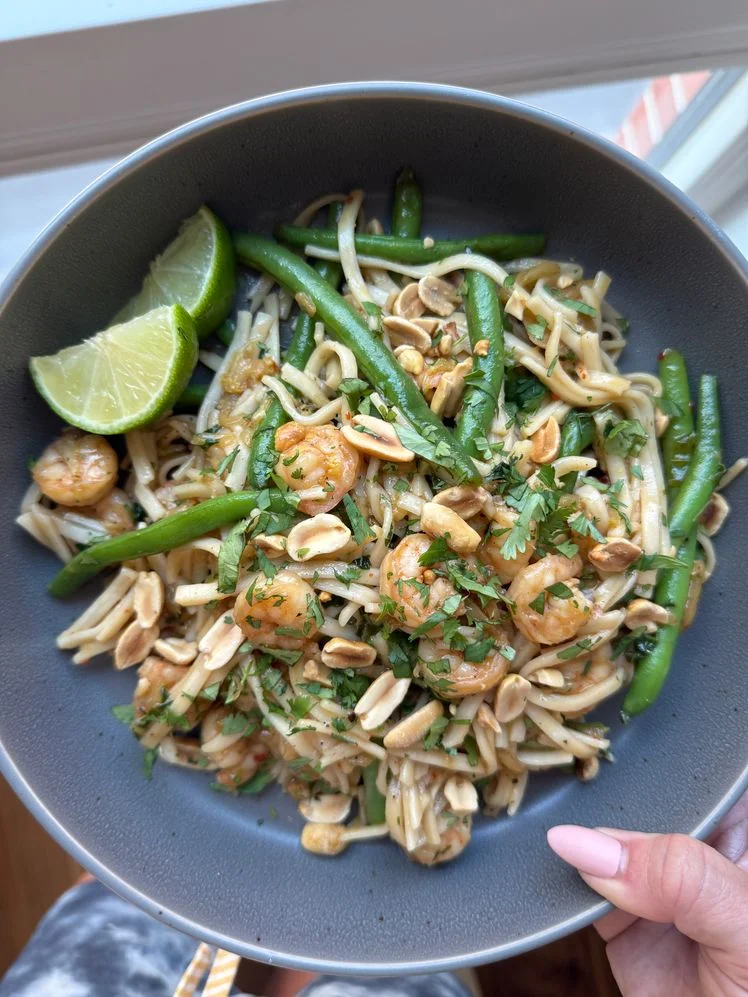
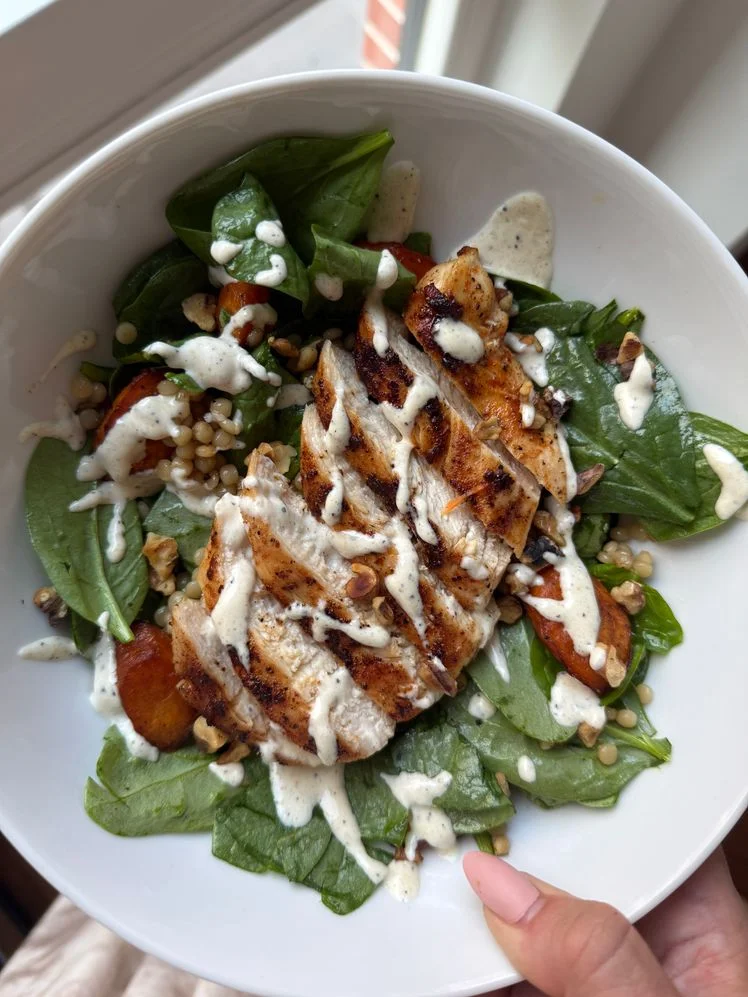
HelloFresh is likely the first brand that comes to mind when most people think “meal kit”. It claims a commanding 74% of the category’s market share and is built for a wide audience, offering six dietary plan options to choose from: Meat and Veggies, Veggie, Family-Friendly, Fit and Wholesome, Under 20 Minutes, and Pescatarian. With over 100 recipes rotating weekly and a level of meal detail that's hard to beat, it's a reliable, beginner-friendly option for households of all kinds.
Contributor Betty Gold Kider was struck by the sheer breadth of the menu when she tested the service. "There are over 100 [dinners to choose from], with dishes like coconut shrimp and cabbage curry, smashed black bean tostadas, and bavette steak with creamy truffle polenta," she writes. She also appreciated how thoroughly each meal was described before ordering—every ingredient and quantity, required kitchen utensils, full nutritional information, allergens, cook time, and the recipe itself, all in one place.
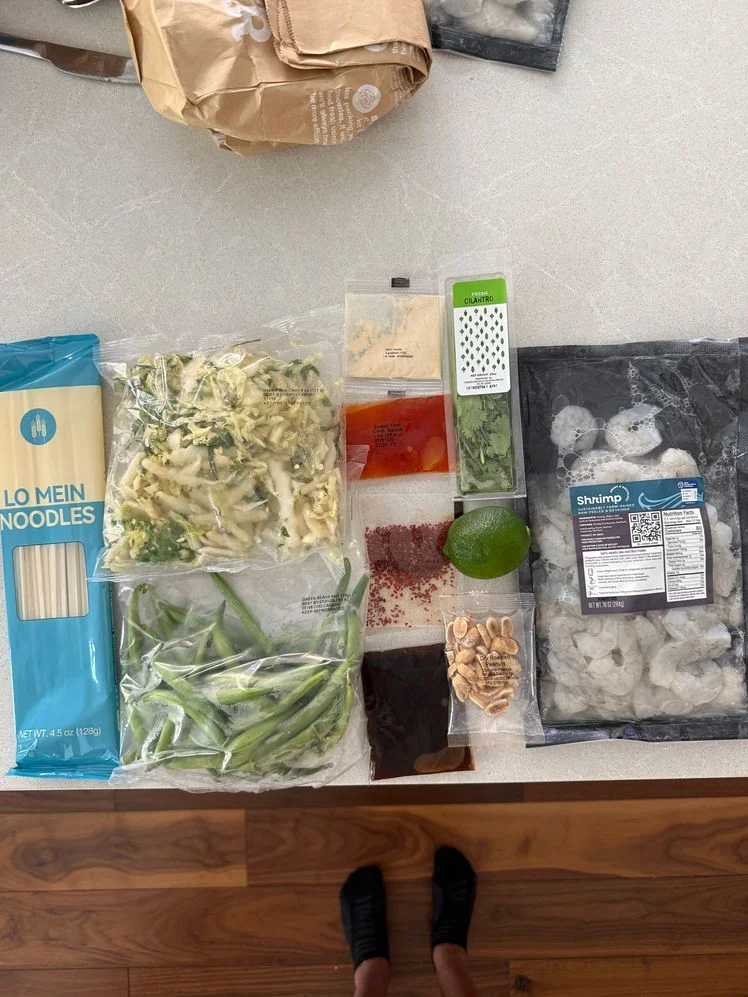
Each dish she tried was nicely balanced. The sweet and spicy shrimp lo mein, for instance, “tasted vibrant and saucy, and it hit the ideal balance of heat, sweet, and sour. The preparation was about as basic as it gets, too: Cook noodles, sear shrimp and veggies, stir in sauces and seasonings, then garnish. It was clear that the recipe itself had been developed and tested by professionals, because it actually worked (a relative rarity!).” Another favorite? A chicken and spinach couscous salad that Kider writes “was rich in both flavor and textural nuance.”
But the sleeper hit from Kider's week of testing? A shrimp and pesto rotini from HelloFresh's ready-made collection. “In under three minutes, I had plated a generous serving of al dente rotini noodles tossed with a creamy pesto sauce made with basil leaves that tasted vibrant and fresh. All was topped with juicy (not chewy) shrimp, parboiled pieces of asparagus, and a blend of five Italian cheeses. Given the amount of time the dish took to serve, the flavor was impressive, especially compared to other heat-and-serve-style dishes I’ve sampled.”
What's the ordering process like? The ordering process is straightforward and can be done from the HelloFresh website or app. First, you'll personalize your plan by selecting how many people you'd like to feed and how many meals you want per week. Then you choose from six dietary plans, selecting as many as you wish: Meat and Veggies, Veggies, Family-Friendly, Fit and Wholesome, Under 20 Minutes, and Pescatarian. After that, you can select your week's worth of meals from the extensive rotating menu.
How was the unboxing experience? Deliveries arrive in a well-insulated box with heavy-duty ice packs, so there's no need to stress if you're not home when it arrives—just refrigerate everything promptly once you're back. Ingredients are separated into labeled paper bags by recipe, making it easy to grab what you need when it's time to cook.
| Type of meal delivery service: | Meal kit |
| Typical prep and cooking time: | 30 to 40 minutes |
| Gluten-free options: | Yes |
| Plant-based options: | Yes |
| Add-ons available: | Yes, including premium ingredients |
| Average meal price: | $9.99 |
| Additional shipping fee: | $10.99 per box |
- Convenient
- Fun, easy-to-follow recipes suitable for beginner cooks (or with help from little ones!)
- Could be a great learning tool
- Recipes are heavy on carbs and sugar, light on fresh vegetables
- Service is relatively expensive
- Ingredients were inconsistent in quality
Click here for our full review of HelloFresh
The best prepared meal delivery service: CookUnity
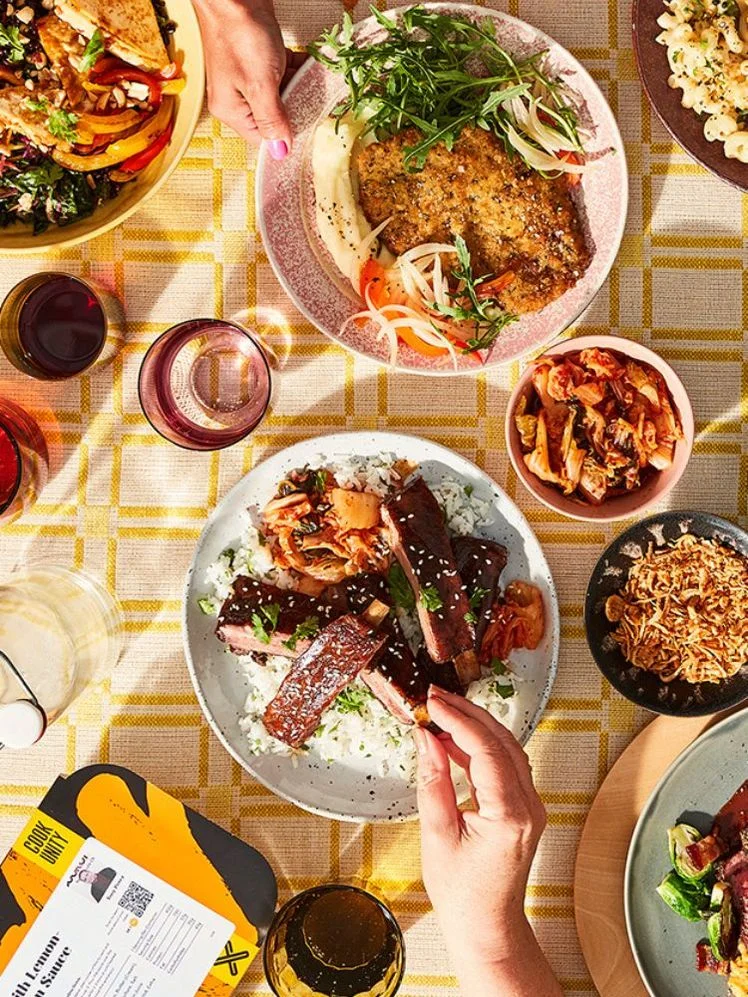
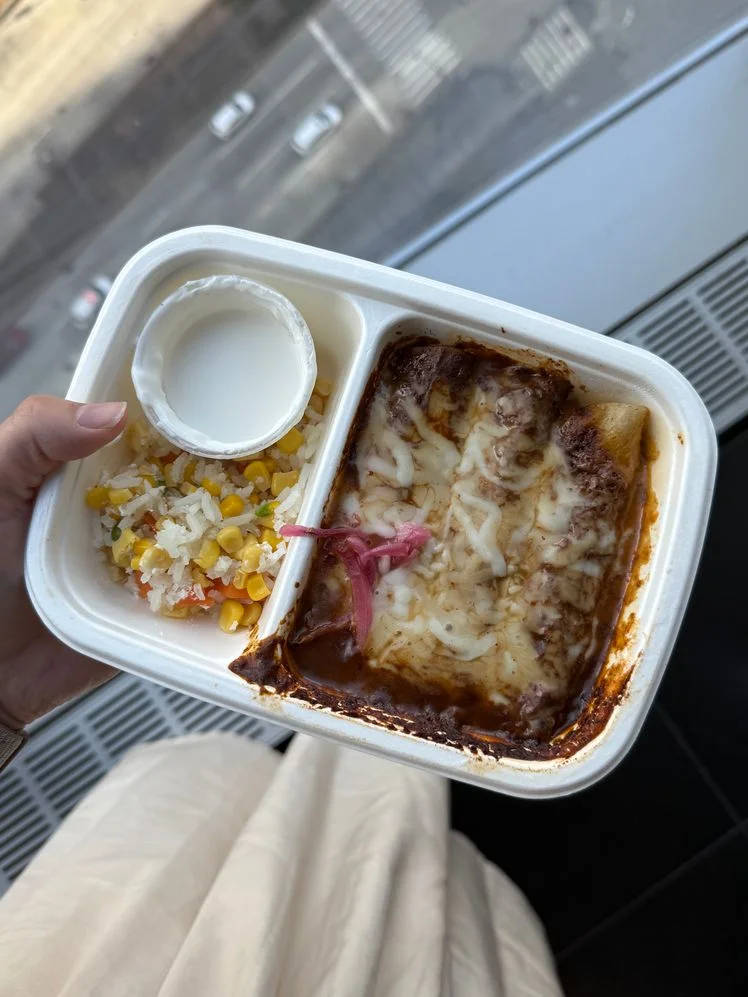
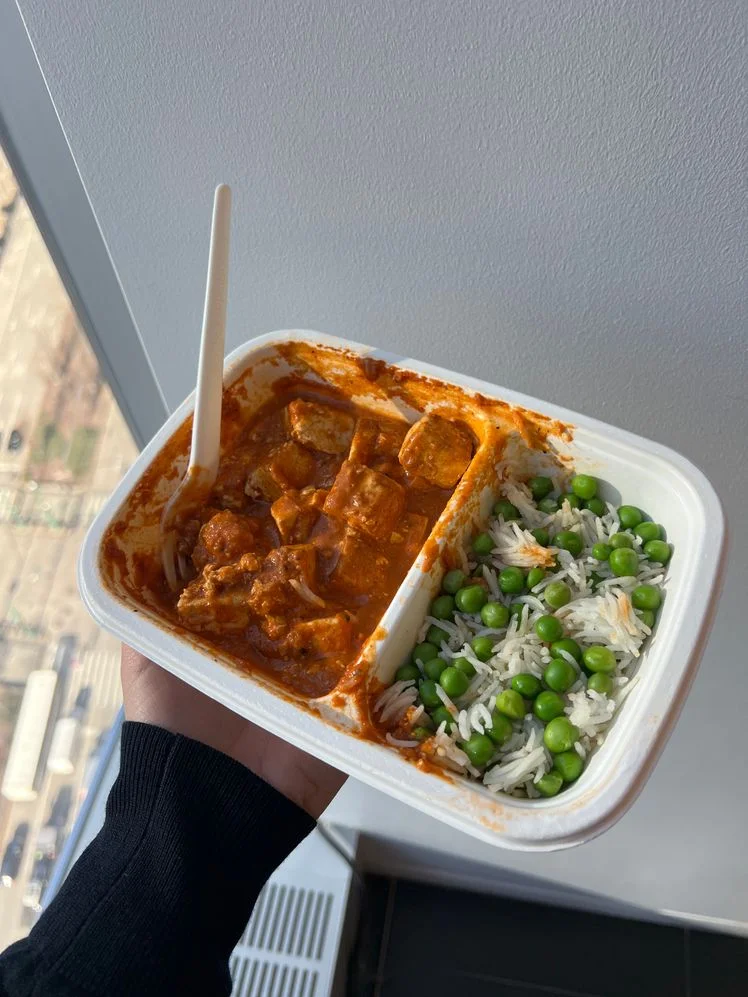
CookUnity isn’t your average prepared meal service. Its chef-crafted, ready-to-heat meals are designed to deliver restaurant-worthy dishes that you might not have the time or energy to make yourself on a weeknight. With over 350 options rotating weekly and plenty of culinary talent behind the recipes (such as chefs José Garces and Esther Choi), CookUnity is the prepared meal delivery service for people who have high standards but low bandwidth.
Senior commerce editor Olivia Tarantino, who reviewed the service, was skeptical going in. As a food editor, she didn’t think she would like a prepared meal delivery service, but CookUnity changed her mind. “If you properly plated some of my CookUnity meals, they could pass as something I’d order at a restaurant,” she says. “The quality, cook, and flavor of each dish make it clear that they’re developed by real chefs.”
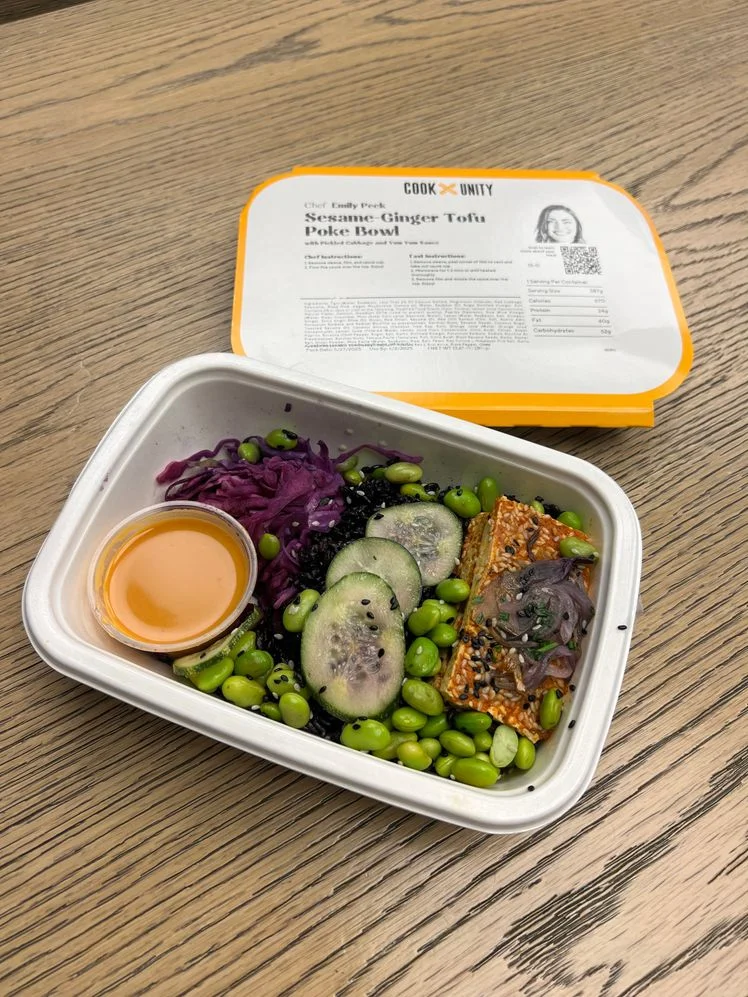
The meals arrive fresh, not frozen, and can be eaten straight from the fridge (like Tarantino did with a tofu poke bowl) or heated in the microwave in about two minutes. Modified atmosphere packaging keeps everything fresh for four to seven days, so you can have a spontaneous dinner out and your meals won’t go bad. Portion sizes also impressed Tarantino, particularly the amount of protein per dish, which she found more generous than most other services she’s tried.
Tarantino ordered two shrimp dishes to see how CookUnity’s seafood would hold up to microwaving: “I peeled back the plastic film and was met with the hypnotizing scent of coconut curry smothering perfectly cooked shrimp,” she says. “The shrimp were plump with just the right amount of snap. Even fried dishes like crab cakes held up in the microwave (although she says air-frying had better results).
What’s the ordering process like? The hardest part, according to Tarantino, is “narrowing down what you want to eat.” As of her testing, there were more than 400 meals available in a given week, spanning breakfast, lunch, dinner, sides, snacks, and even protein-only options. The menu touches six continents’ worth of cuisines, from Ghanaian to Italian to Indian to Mexican. Most meals are regularly available, with new ones rotating in and out so you can branch out or return to favorites. A handful of premium options—like Maryland-Style Crab Cakes or Lobster Tail & Steak Surf & Turf—cost a few dollars more. Each dish also carries a user star rating and customer comments, a feature Tarantino found useful. If you miss the weekly cutoff, CookUnity will autofill your box based on your preferences or past orders.
How was the unboxing experience? You can select your preferred delivery day and choose between an a.m. or p.m. window—though more specific time options would be a welcome addition. Everything arrives securely packed in a reusable cooler bag with ice packs, fresh and ready to go straight into the fridge.
| Type of meal delivery service: | Prepared foods delivery service |
| Typical prep and cooking time: | 15 to 20 minutes |
| Gluten-free options: | Yes |
| Plant-based options: | Yes |
| Add-ons available: | Yes |
| Average meal price: | $11 to $15 per serving |
| Additional shipping fee: | $10 per box |
- Wide variety of professionally cooked options for every type of eater
- Super convenient; great for someone who doesn’t have much time to cook but still enjoys trying new foods
- Good quality ingredients
- Premade meals are never going to compare in freshness or flavor to what you can get from a meal kit that requires actual prep
- Sauces sometimes lose their optimal consistency because of temperature fluctuations
Click here for our full review of CookUnity
The best bang for your buck: Dinnerly
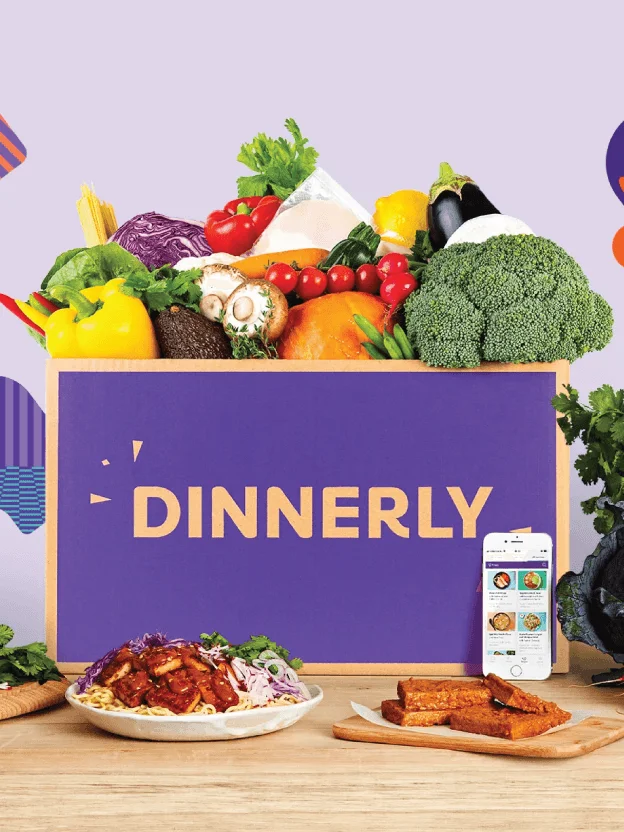

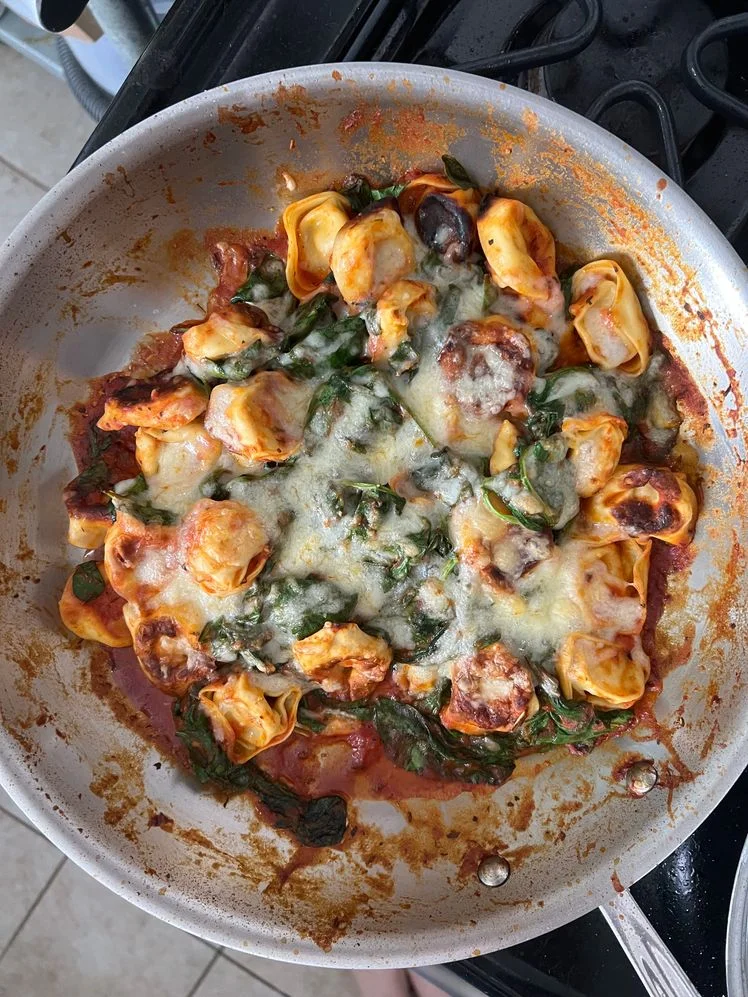
Owned by the same company as Martha Stewart’s Marley Spoon, Dinnerly is marketed as a budget-friendly meal kit service for unfussy weeknight dinners. Where Marley Spoon meals average $11 per serving, Dinnerly’s come in at just $8—and selecting the “saver” recipes can reduce the price a bit more. It's the best cheap meal kit for intermediate home cooks who don’t mind chopping and prep, couples, and small households. The brand also has an extensive marketplace full of prepared meals, cook-and-eat options, and “meal shortcuts,” which consist of a couple of ingredients easily combined into a meal or snack without the need for a recipe.
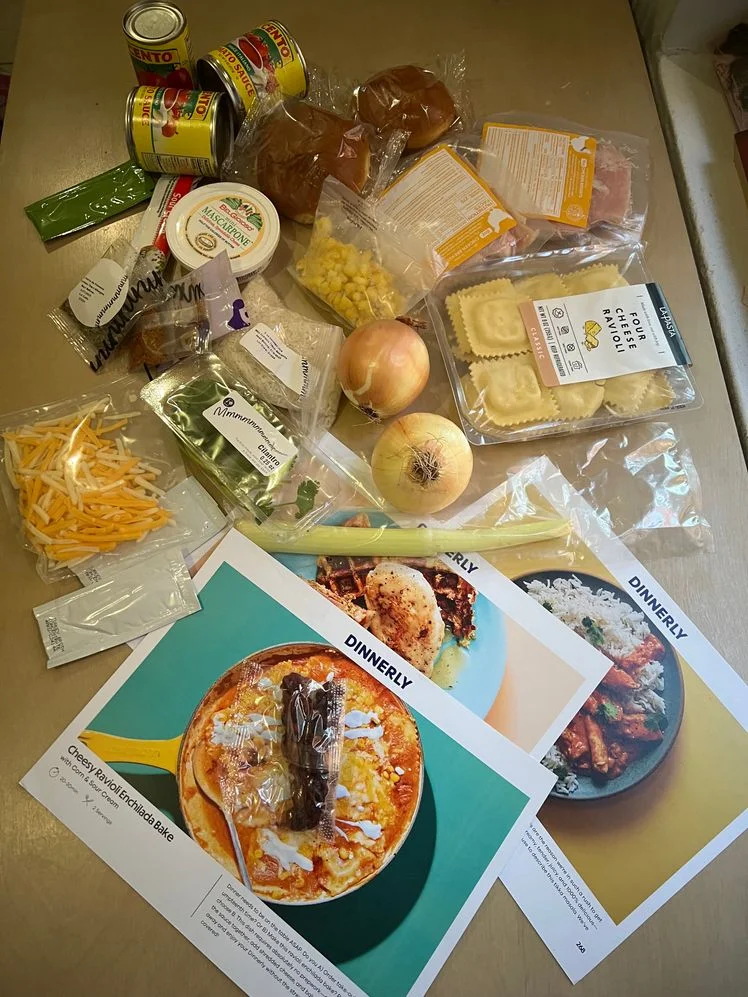
Each recipe comes with core ingredients—proteins, produce, and unique spices—along with a recipe card. Basics like cooking oil, vinegars, and garlic are not included, so having a stocked pantry is key. According to tester Elise Portale, contributing social media manager, Dinnerly's instructions were generally easy to follow, though some recipes were more labor-intensive than they appeared. One standout example was the Chicken and Stuffing Waffles—a recipe that required a waffle maker, which caught Portale off guard, given that Dinnerly tends to market itself toward beginner cooks. For the record, the dish itself (pan-seared chicken breast, stuffing, cranberry relish, and pan gravy) was delicious, “though it probably used half the pans in my kitchen to make,” Portale lamented.
Overall, Portale found Dinnerly's recipes hit or miss—one of the main trade-offs for the low price tag. The Cheesy Ravioli Enchilada Bake delivered on the one-pan promise but not on flavor, its enchilada-inspired sauce amounting to "a gloppy and flavorless concoction of tomato paste, water, and Tex-Mex spices thickened with flour." But there were real winners too. Her favorite, to her own surprise, was a spinach salad with lentils and roasted carrots. The takeaway: Dinnerly can absolutely work as an affordable weeknight solution, but recipe selection matters. "I'd just recommend choosing your weekly recipes wisely and metering your expectations," she says. "A basic sense of cooking intuition will also help you get the most out of your meals."
Where Dinnerly truly shines, Portale found, is its marketplace, which sits somewhere between a meal kit and a grocery delivery in the best way. She describes it as perfect for "the busy professional on a budget." Highlights included a Mediterranean Falafel Wrap that was cheap, flavorful, and oven-ready; a Bacon and Egg Breakfast Sandwich Meal Shortcut that came together with minimal effort; and a prepackaged apple kouign-amann from KRMA Foods that held up nicely alongside an afternoon coffee.
What was the ordering process like? Like most meal kit services, Dinnerly prepacks a box with a trio of meals that can be edited. The selection is vast: recipes geared toward kids, vegetarians, the calorie-conscious, and allergy-sensitive eaters, all clearly labeled with cost-per-serving and dietary info. Delivery reliability was another story. Over three weeks of testing, Portale encountered more hiccups than expected—a delayed box around Thanksgiving with no clear timeline, and an accidental extra week charged due to unclear cutoff communication. "My third week was actually an accident: I ended up committing to an extra week of this service during testing purely because there was little to no communication about the deadline to skip/edit my next box, a date that was different than the week before."
How was the unboxing experience? Boxes were well-insulated, with produce, spice packets, and dry ingredients on top and proteins closest to the ice pack below. Most ingredients traveled well, though one bag of peas arrived squished and spilled. On the plus side, packaging was minimal and recyclable—just the box, cardboard-based insulation, and ice pack.
| Type of meal delivery service: | Meal kit |
| Typical prep and cooking time: | 25 minutes |
| Gluten-free options: | Yes |
| Plant-based options: | Yes |
| Add-ons available: | Yes, and the marketplace is exceptional |
| Average meal price: | $7.99 per serving |
| Additional shipping fee: | $11.99 per box |
- Budget-friendly
- Plenty of recipe options, with labeling for allergies or dietary restrictions
- Family-friendly recipe concepts
- Marketplace offerings are great
- Inconsistent expectations for effort, cleanup, and cookware
- Prepackaged ingredients are of varying quality
- Delivery wasn’t easy to predict, and communication for delivery changes or regular account reminders wasn’t consistent
- Didn’t supply all essential ingredients
Best for people who hate grocery shopping: Hungryroot
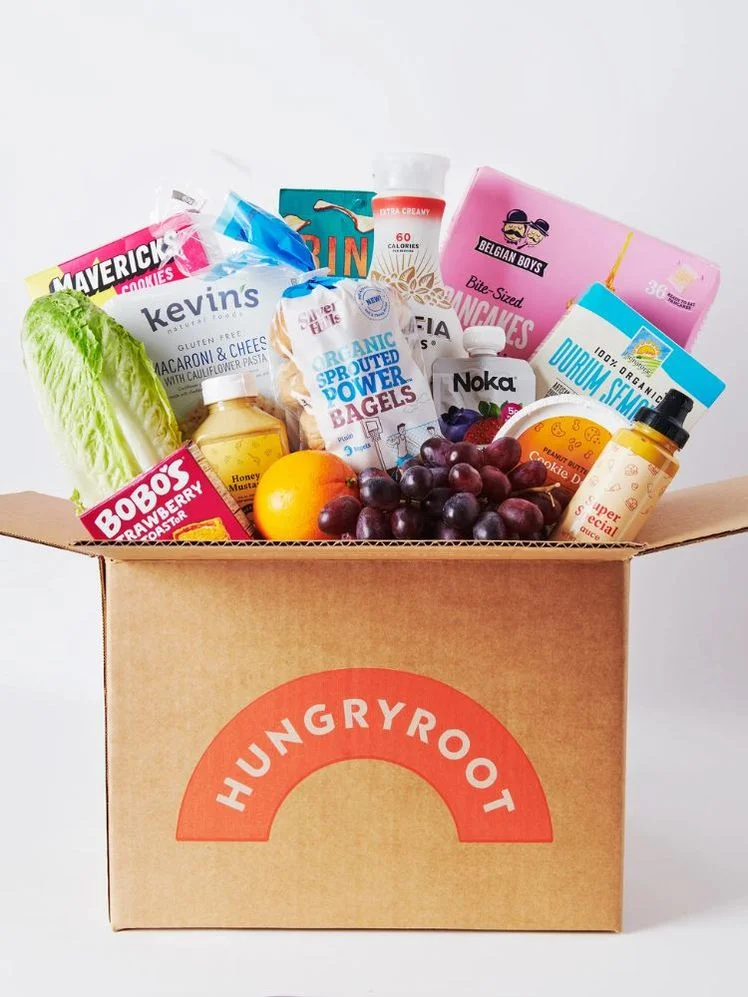
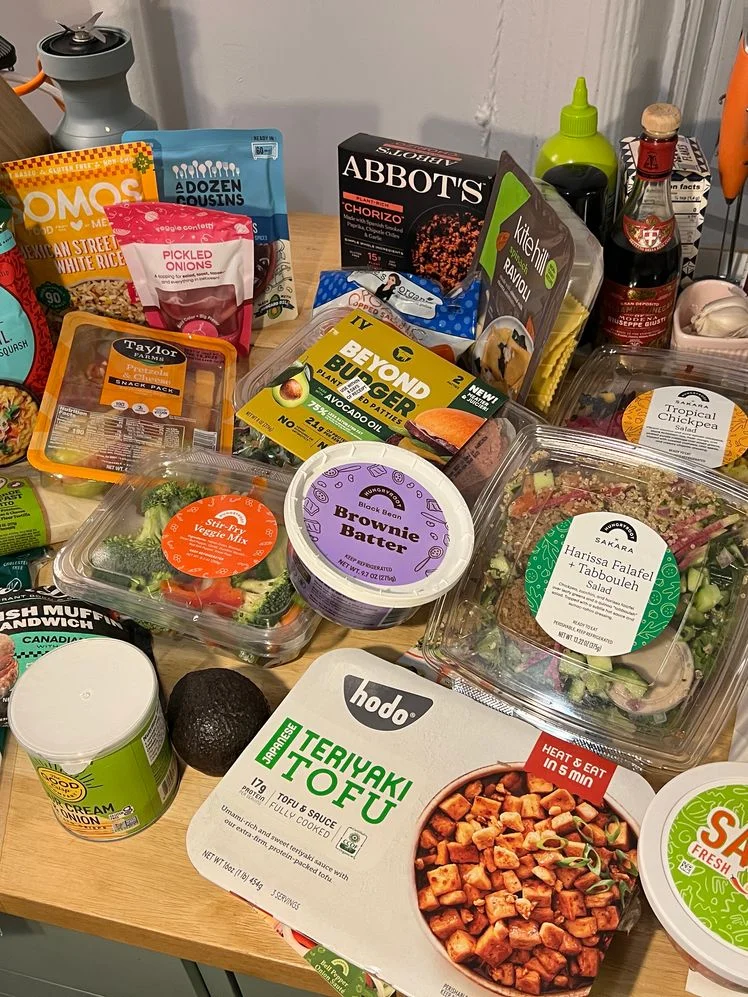
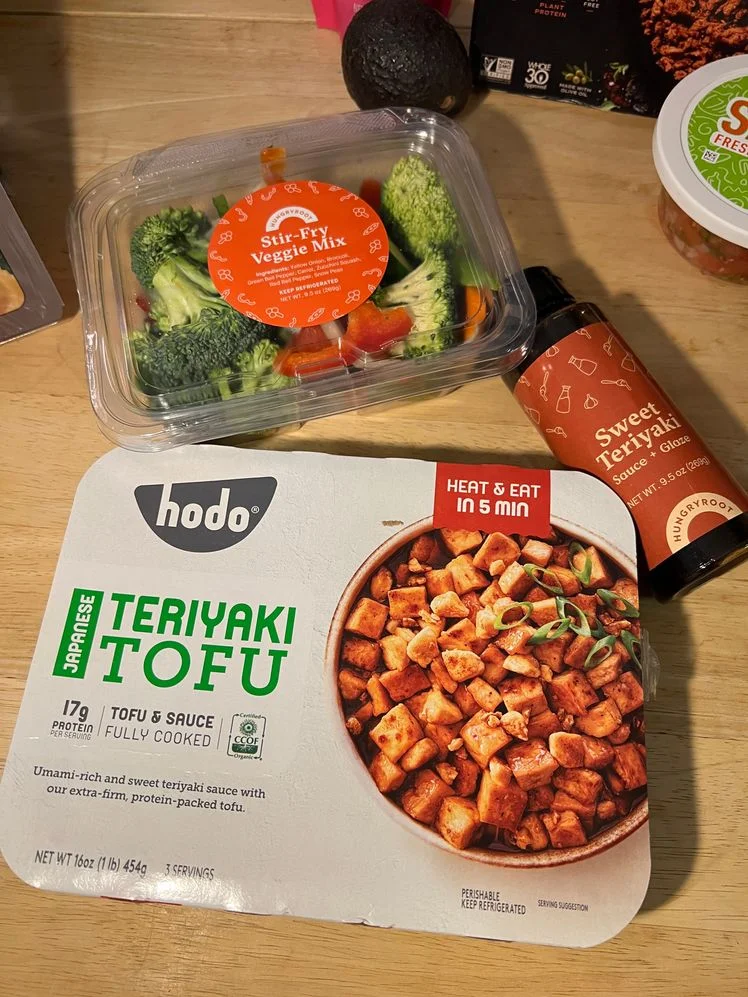
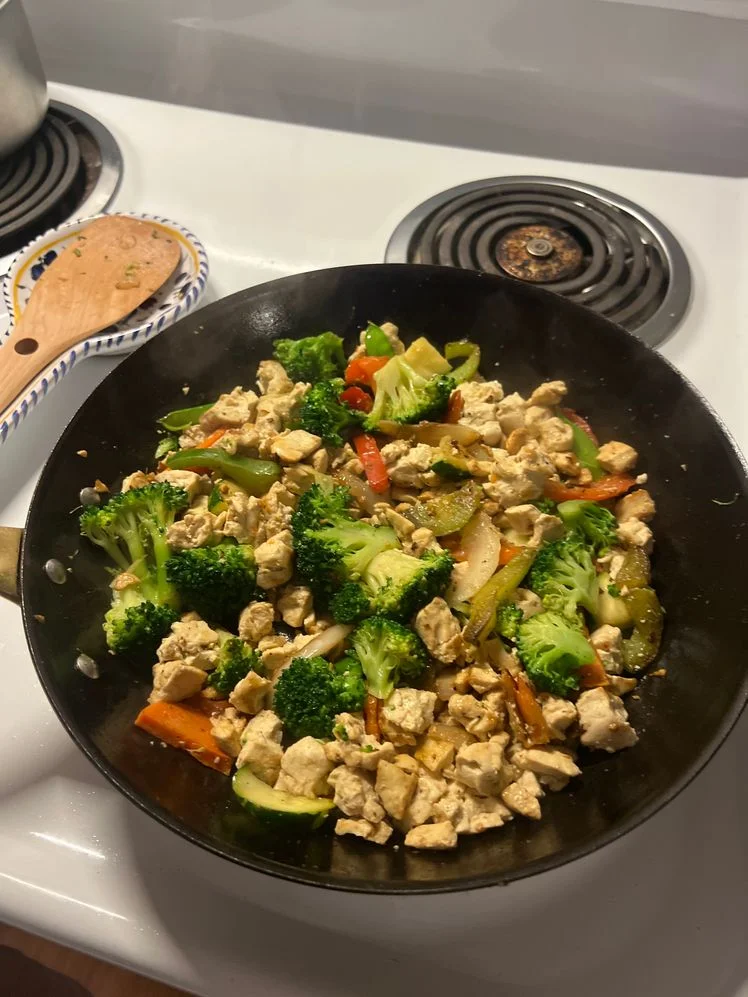
Hungryroot sits somewhere between a grocery delivery service and a meal kit—and that’s precisely what makes it work. If you add “recipes” to your weekly order, your box will include a recipe card with suggestions for combining the provided ingredients into quick, easy meals. Thanks to its semi-homemade nature, a Hungryroot dinner can go from fridge to table in about 10 minutes, and it feels like you’ve cooked even though you’ve really just dumped some precut veggies in a pan and microwaved some parcooked rice.
Senior commerce editor Olivia Tarantino found Hungryroot’s flexibility to be its biggest strength. Unlike services with fixed weekly menus, Hungryroot lets you mix and match across three categories: recipe kits (like a Southwest Chopped Salad with Beyond Patties and Cheddar or a Craveable Chorizo Street Corn Grain Bowl), prepared meals (microwave-friendly bowls, soups, sandwiches, and salads), and à la carte grocery items (snacks, yogurt, juices, bread, and more). Your weekly plan determines how many credits you receive, which you then spend however you like—recipe kits run around 11 credits, while snacks cost one to three. “I appreciated being able to pick exactly what I wanted without feeling locked into a specific meal plan,” Tarantino says. Individual recipes can also be edited: “If you already have cheddar cheese at home, you can remove it from your order and spend those credits elsewhere.” She also found herself repurposing ingredients freely—ordering a Marinara Ricotta Ravioli with Baby Mushroom dish, for instance, and using the mushrooms in an omelet instead.
That looseness extends to timing too. “If I couldn’t cook one night, I wasn’t frantically worrying about my meal kit expiring before I could get to it,” Tarantino notes. Because most recipes are essentially collections of grocery staples, there’s no pressure to cook on any particular schedule—a meaningful distinction from traditional meal kits.
What’s the ordering process like? When you sign up for Hungryroot, you have to complete a pretty lengthy survey to help the system learn your dietary preferences and quantity/nutrition needs. Your answers also help determine the amount you’ll spend each week (a.k.a. your specific plan). That plan fee is translated into credits, and each grocery item has an assigned credit value. So when you make your weekly food selections, you’re shopping with credits, not dollar values—though you can always adjust, pause, or add to your plan, as well as roll over unused credits. It sounds a little convoluted, but it will make sense as soon as you sign up and start filling your cart.
How was the unboxing experience? Everything is packaged really securely and layered by temperature—with the coldest/frozen food on the bottom.
| Type of meal delivery service: | Virtual grocery store with quick-and-easy meal prep options |
| Typical prep and cooking time: | 10 to 15 minutes |
| Gluten-free options: | Yes |
| Plant-based options: | Yes |
| Add-ons available: | Yes |
| Average meal price: | $9 to $11 |
| Additional shipping fee: | $6.99 for orders under $70, Free for orders over $70 |
- Lots of variety/grocery items
- Super-easy recipes
- Kid-friendly snacks
- Selecting your groceries is labor-intensive
Click here for our full review of Hungryroot
Best for organic ingredients: Green Chef
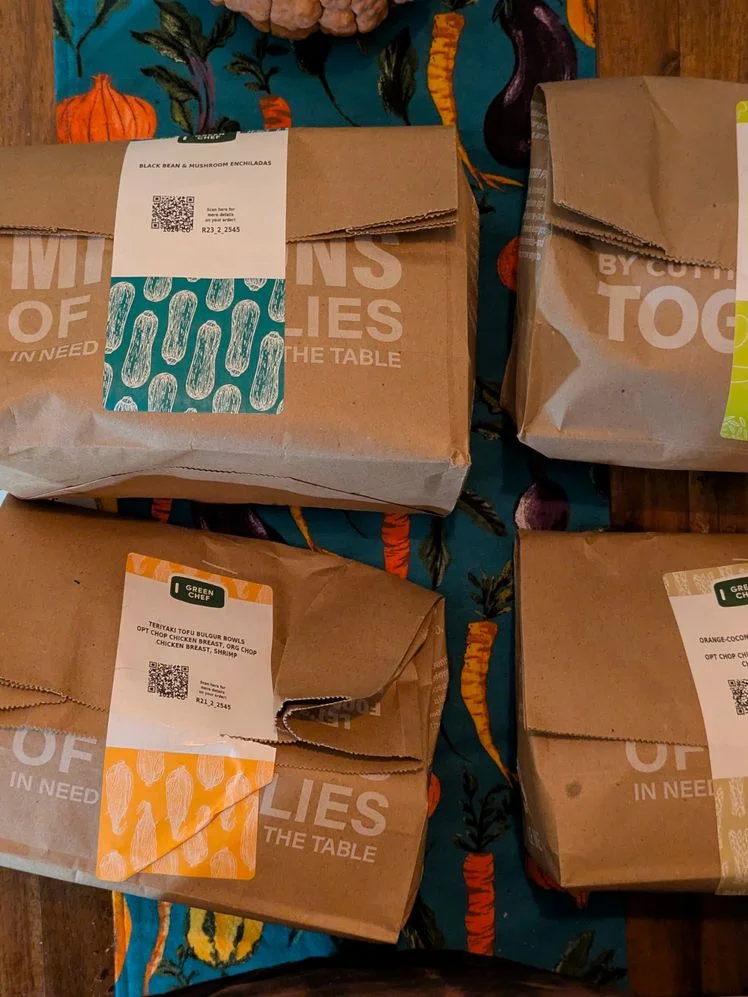
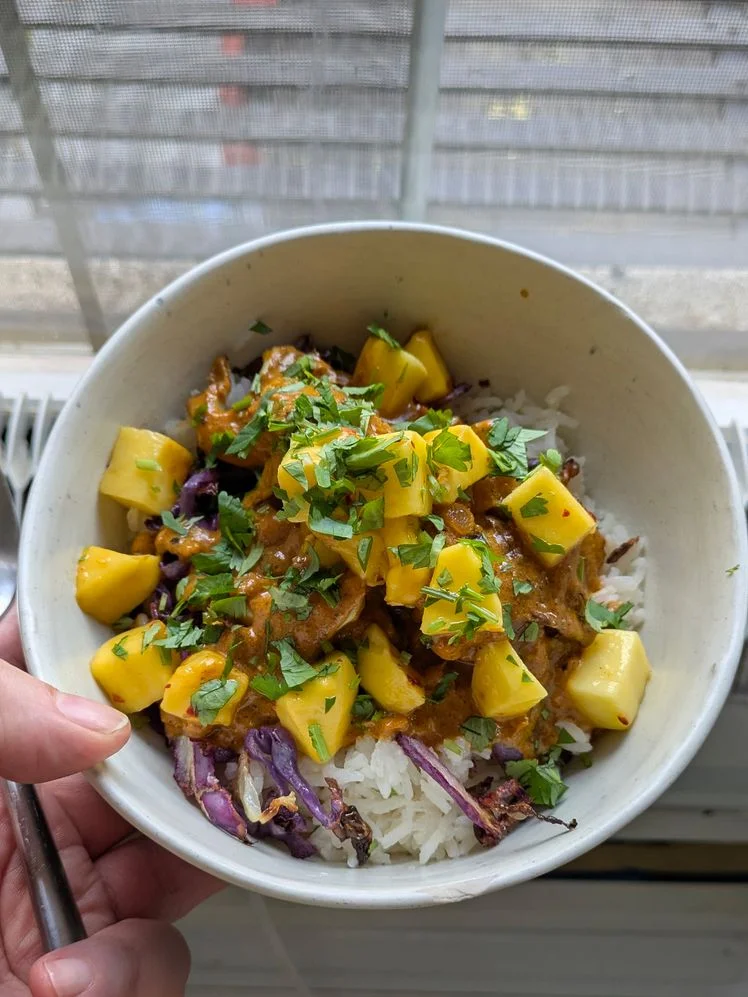
Green Chef, owned by Hello Fresh, offers (mostly) organic, seasonal produce, with an emphasis on sustainably sourced protein, whole grains, whole fruits and vegetables, healthy fats, and low to no-added sugars. It’s the kit to try if buying organic is important to you, and/or if you want to incorporate recipes that meet the criteria for certain diets (keto, Mediterranean, high-protein, etc.). To streamline prep, Green Chef ships all sauces, stocks, and herb blends premixed, with some vegetables precut. Add-ons are plentiful too, from meat and seafood sampler packs to smoothie kits, frozen desserts, packaged ramen, and dumplings.
Senior service editor Kelsey Jane Youngman found the meals easy to cook. Each labeled bag comes with a full-color recipe card with clear instructions and photos of every major step. Green Chef is upfront about what's not included (salt, pepper, sugar, butter, and oil), but everything else you need is in the box. Youngman felt confident a beginner cook could follow along, though cook times may vary by experience. Most meals required at least two pans and leaned into smart, simultaneous cooking techniques: boiling bulgur while squash roasts, and a pork fillet sears on the stovetop. These are not one-pan meals.
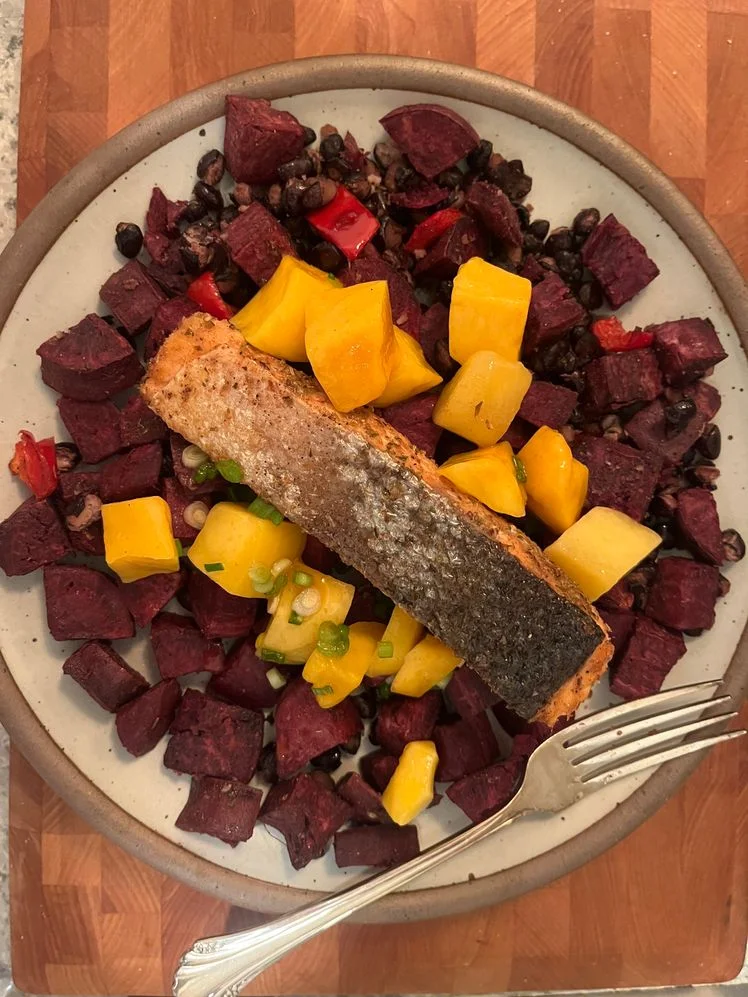
“The food was, in general, good,” says Youngman. Her favorite was the Italian Turkey Stuffed Squash Boats, well-seasoned ground turkey bulked up with nutty bulgur and tender kale, spooned over golden-brown roasted zucchini and topped with a creamy pesto riff. The geometry was a little off (one zucchini was tiny, one enormous), but the taste more than made up for it. Her least favorite, the Spiced Salmon with Mango Salsa, came down to ratios and personal preference rather than any fundamental flaw. The salmon itself was fresh, well-seasoned, and perfectly cooked, but the accompanying hash skewed heavily toward purple sweet potato with barely any bell pepper, and the Cotija felt like an odd pairing with the fish. Overall, the recipes were reliable if occasionally repetitive, and the ingredients were consistently fresh, making it a solid pick for people who want to cook without spending hours in the kitchen or at the grocery store.
What was the ordering experience like? Signing up is simple, and new customers are typically offered a first-time discount. After entering payment information, you'll select a dietary preference (options include Protein Packed, Plant-Based, Mediterranean, Gluten-Free, Keto, Calorie Smart, Quick & Easy, and Gut & Brain Health), which filters your top recipe picks, though you can browse all 80-plus weekly options regardless. Skipping a week or adjusting a delivery date is easy and won't disrupt your subscription.
How was the unboxing experience? Everything arrived properly packaged and cold, with each meal's ingredients grouped together in a labeled brown paper bag. Individual items, down to half a bell pepper or a single diced onion, came in their own plastic bags, and premade sauces and flavor bases added to the plastic count. Proteins were stored separately at the bottom of the box, directly on top of the ice packs, to prevent cross-contamination. The ice packs are commercially recyclable (not curbside), and the rest of the packaging is recyclable cardboard. Youngman would have liked to see less plastic overall, though she notes Green Chef offsets 100% of delivery emissions and has partnered with Plastic Bank to address ocean-bound plastic.
| Type of meal delivery service: | Organic meal kit service |
| Typical prep and cooking time: | 30 minutes |
| Gluten-free options: | Yes |
| Plant-based options: | Yes |
| Add-ons available: | Yes |
| Average meal price: | $11.99 |
| Additional shipping fee: | $10.99 per box |
- Premade and precut ingredients mean cleanup isn’t bad
- Clear pictures and instructions on the recipe cards
- Quality of the meat and fish was very high
- Vegetarian options were creative
- Produce selections felt repetitive over a few weeks and were oddly out of season
- Would have liked to see more “Protein Packed” vegetarian or vegan meals
The best plant-based meal kit: Purple Carrot

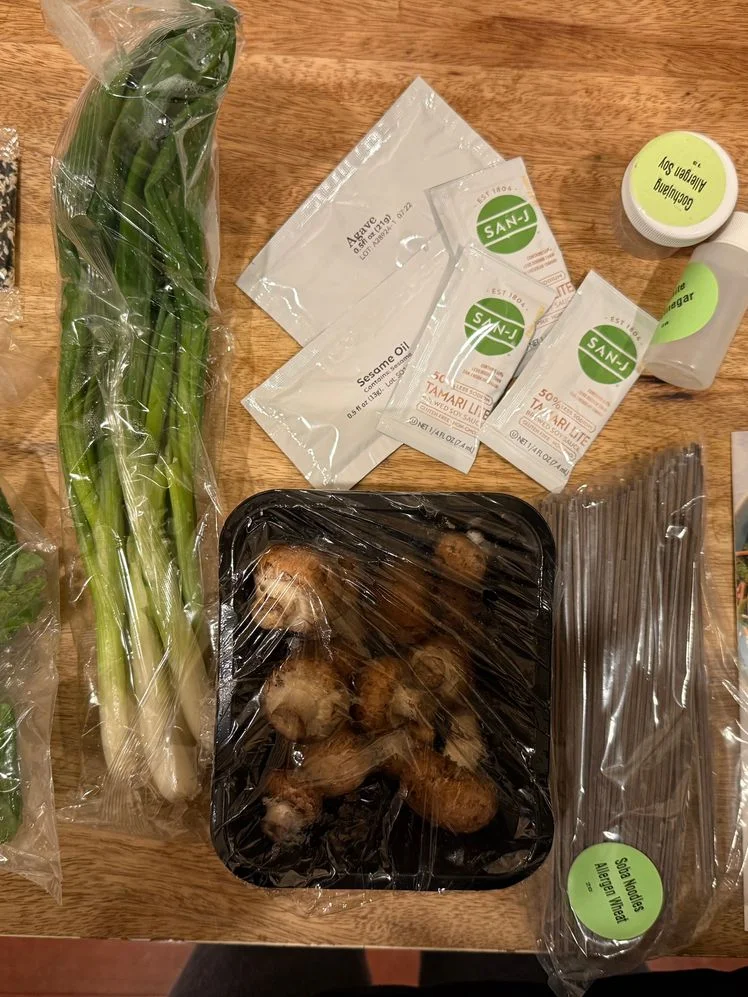
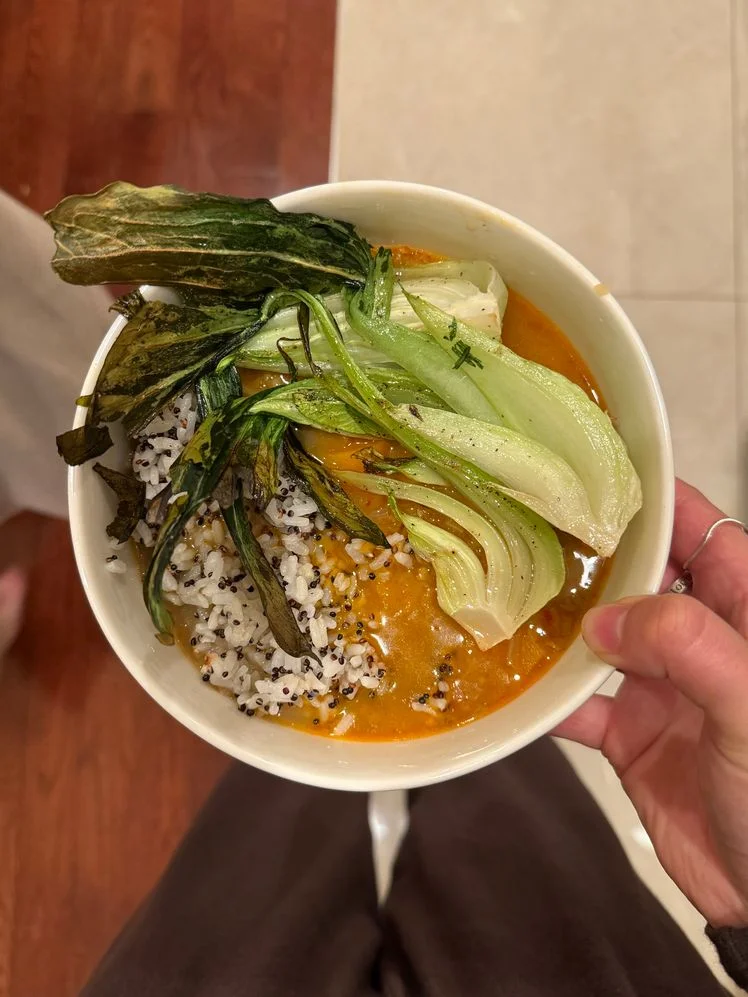
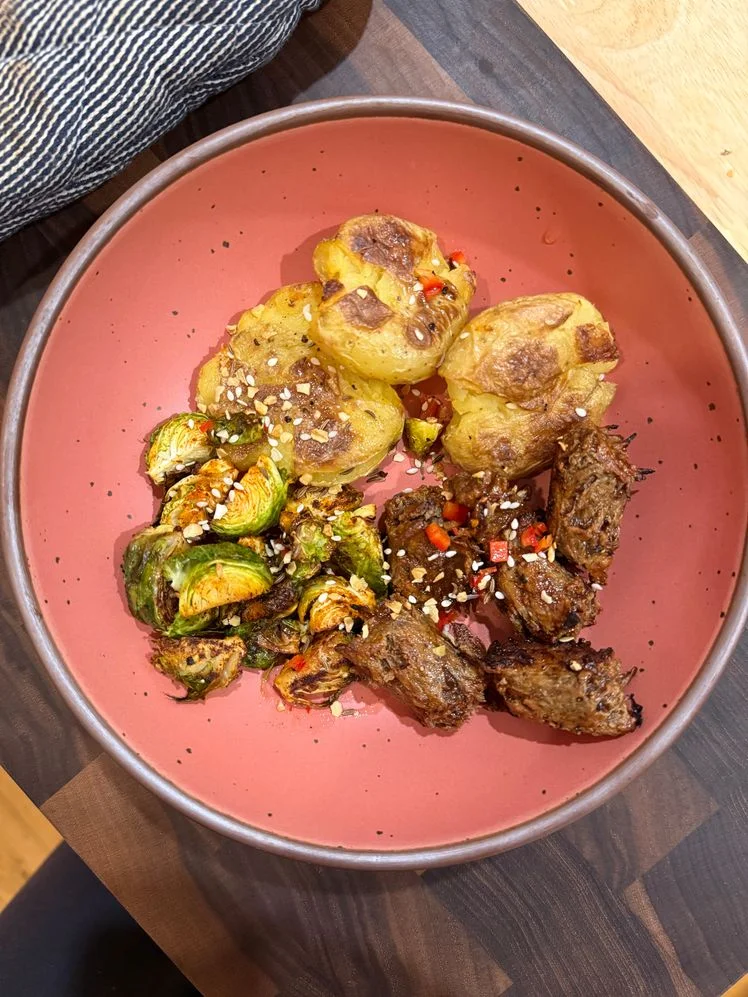
Purple Carrot is one of the few meal kit services that’s entirely vegan—and one of the best arguments for plant-based cooking, whether or not you follow a vegan diet. The weekly menu spans around 20 meal kit options, covering a wide range of cuisines and dish types, plus ready-to-eat meals and a grocery section stocked with snacks, dips, and pantry staples. It’s a strong pick for anyone looking to cut down on meal planning, explore plant-based cooking, or simply break out of a weeknight dinner rut.
Commerce writer Alaina Chou, a self-described lifelong meat and dairy eater who has tested over 10 meal delivery services, came away genuinely impressed. She appreciated the variety on offer and found herself struggling to narrow down her choices each week. “I had a pretty outdated perception of what vegan food could be,” she says, “and Purple Carrot helped squash that stereotype.” The meals weren’t lightning-fast—most took 30 to 40 minutes, in line with the listed cook times—but they were well-composed, balanced, and packed with flavor. Standouts included a Winter Squash Soup spiced with shichimi togarashi and served over quinoa-speckled rice, a light and refreshing Zaru Soba, and BBQ Burnt Ends made from a mushroom-based protein that Chou says “could’ve fooled me into thinking it was meat.” Many dishes introduced her to new ingredients and techniques she plans to carry into her regular cooking.
A few caveats worth noting. Chou found that more than half the meal kit options were sold out when she went to place her first order on the cutoff date, so selecting meals well in advance is advisable. Both weeks she tested the service, she also received an email notifying her that one of her chosen meals had been replaced due to ingredient quality issues, with no input on the substitute. One week she received a premade meze platter instead of the falafel bowl she’d selected; another week, a pesto risotto that would have taken 60 minutes to make. Some recipes also could have been more streamlined—a Winter Squash Soup that dirtied three cooking vessels instead of two, for instance—and a few prep steps were listed in the ingredient section rather than the instructions, making it worth reading each recipe thoroughly before starting.
What’s the ordering process like? You’ll start by choosing between Meal Kit, Ready-to-Eat, and Mix & Match options, then select dietary preferences, serving size, and number of meals per week. Purple Carrot autofills your first box based on your preferences, but you can swap meals freely before the order cutoff, which falls six days before delivery. Skipping a week or changing your delivery date is easy from your account page, and you can even redirect a skipped week’s box to another address if you’d like to pass it along to someone else. The weekly menu page is clean and easy to navigate, with filtering options for gluten-free, high-protein, low-calorie, sodium-smart, and less-prep preferences.
How was the unboxing experience? Orders arrived on time in insulated cardboard boxes with ice packs at the bottom. Most ingredients were packed in clear plastic bags grouped by recipe, with each bag’s outer pocket holding the corresponding recipe card—a small but useful organizational detail. Larger loose items like kale and Chinese broccoli were packed separately at the top of the box. Produce arrived in great shape across both weeks of testing with nothing wilted or blemished.
| Type of meal delivery service: | Meal kit; heat-and-eat meals available as add-ons |
| Typical prep and cooking time: | 25 minutes |
| Gluten-free options: | Yes |
| Plant-based options: | Yes |
| Add-ons available: | Yes |
| Average meal price: | $13 per serving |
| Additional shipping fee: | Free shipping on orders over $100 |
- Quick, easy, healthy meals that actually taste good and cost way less than a delivery habit
- Variety of options for level of difficulty, including some fully prepared meal options
- Some of the meals get a little boring
- Everything is vegan, which isn’t for everyone
Click here for our full Purple Carrot review
The best semi-prepared meal kit: Tovala
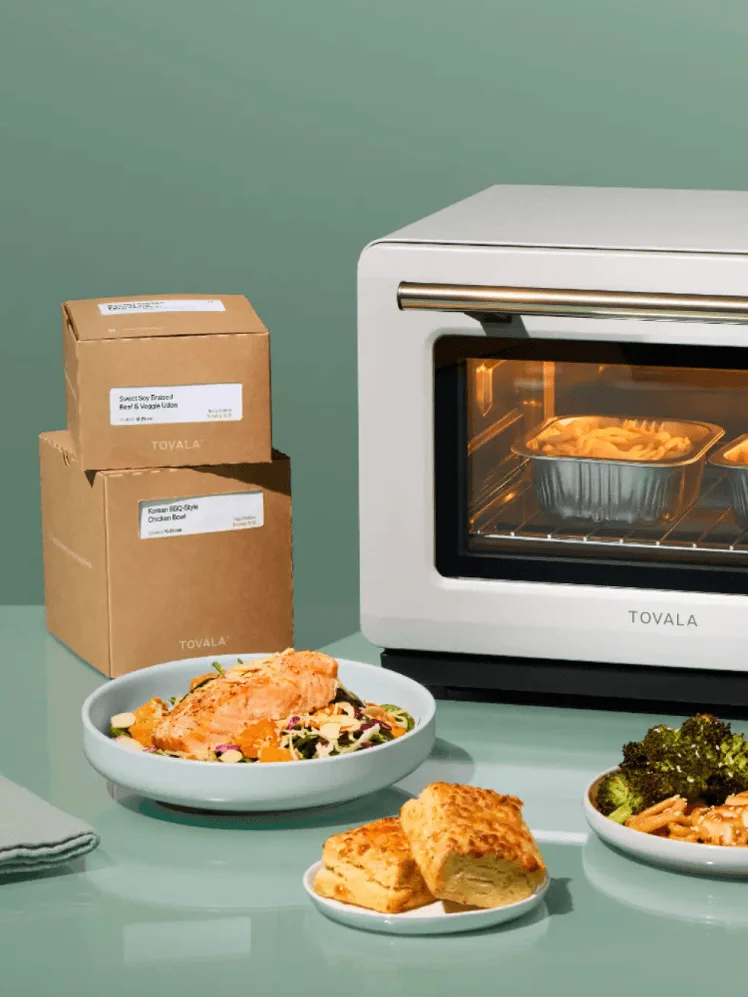
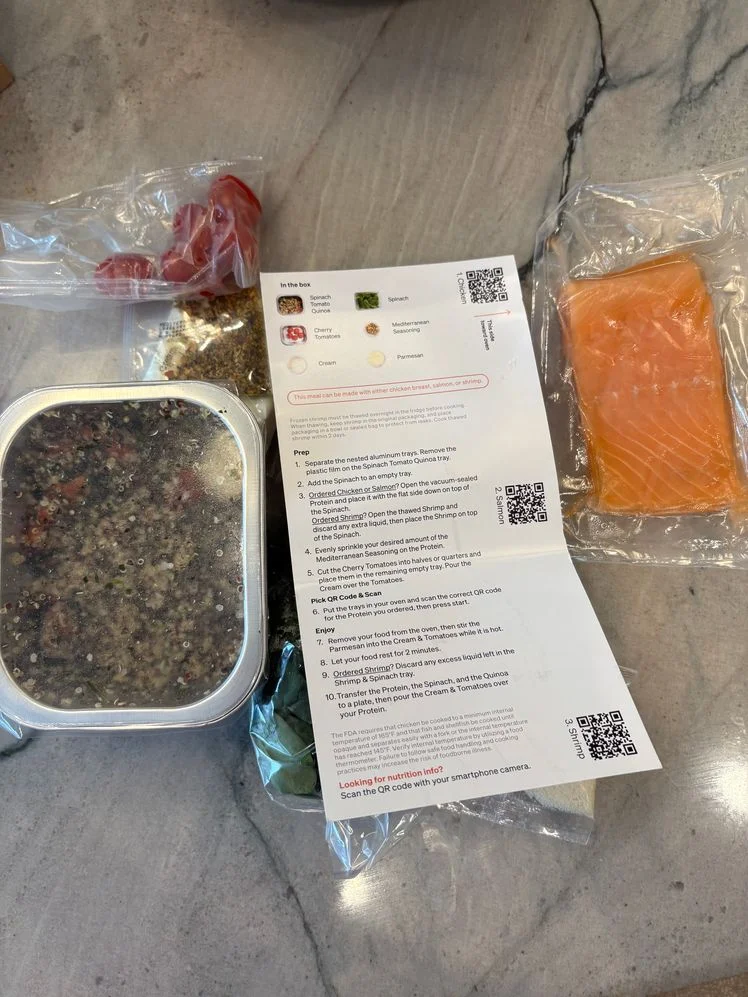
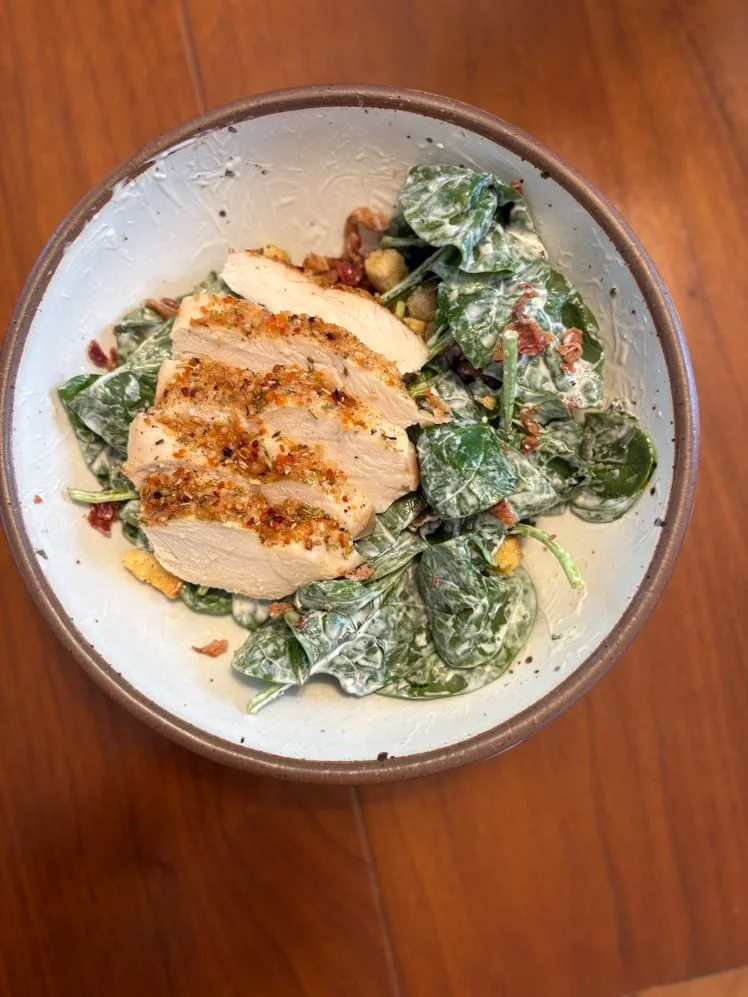
In the world of meal kits, Tovala is sort of an anomaly. Its premier product isn’t just a meal delivery service, but rather a smart oven that pairs with a meal delivery service. Each meal consists of raw proteins and uncooked produce on a tray that only needs to be popped into the Tovala oven for cooking.
Preparing a Tovala meal is as easy as assembling some preportioned ingredients in trays and scanning a QR code, after which the oven will take care of the rest. There are no standard cooking instructions for Tovala meals, which means you will need that special oven to make this service worthwhile—but, while not free, it comes at a 77% discount ($69) if you order meals six times over the course of six months.
While Noah Kaufman, senior commerce editor, usually takes issue with prepared meals, citing their tendency to “fall somewhere between a better-than-normal Lean Cuisine and an "it’s edible, I suppose MRE,” Tovala’s semi-prepared fare impressed him in testing. “Using a mixture of steam baking, convection roasting, and broiling, the Tovala oven turned out delicious meals in 20 minutes (including cooking time) with juicy chicken, flaky salmon or creamy sweet potatoes time after time,” writes Kaufman.
What’s the ordering process like? To place your first Tovala order, you’ll need to sign up and order your smart oven. Then it’s time to pick your meals: “Whatever plan you sign up for (a minimum of four meals a week) will come with a preset menu, but if you log in to to the Tovala app, the UX makes it easy to swap something on the preset menu with one of more than 30 options, all of which come labeled with any dietary specifications like ‘vegetarian,’ ‘high protein,’ or ‘GLP-1 balanced,’” writes Kaufman.
How was the unboxing experience? Tovala orders arrive in insulated, ice-pack-lined cardboard boxes. Most meal components (like single-serve condiments, small plastic bags of breadcrumbs or sauces, and aluminum trays filled with prepared ingredients) are separated into small cardboard boxes for each meal, save for the proteins, which are packed separately in vacuum-sealed bags.
| Type of meal delivery service: | Semi-prepared kits |
| Typical prep and cooking time: | 1 to 2 minutes of prep, 20-minute cook time |
| Gluten-free options: | Yes |
| Plant-based options: | Limited |
| Add-ons available: | No |
| Average meal price: | $12.99 per serving |
| Additional shipping fee: | $10.99 |
- Food has excellent texture and flavor
- Prep takes less than 90 seconds
- High-quality ingredients
- Requires getting the Tovala oven
Best for health and wellness heads: Sakara
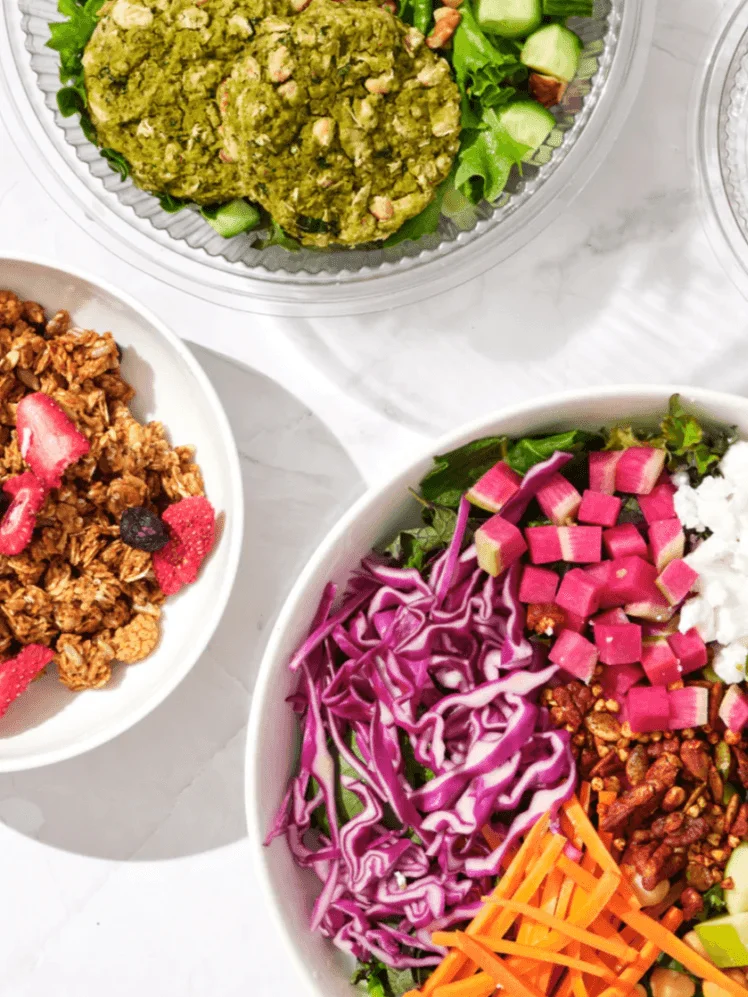
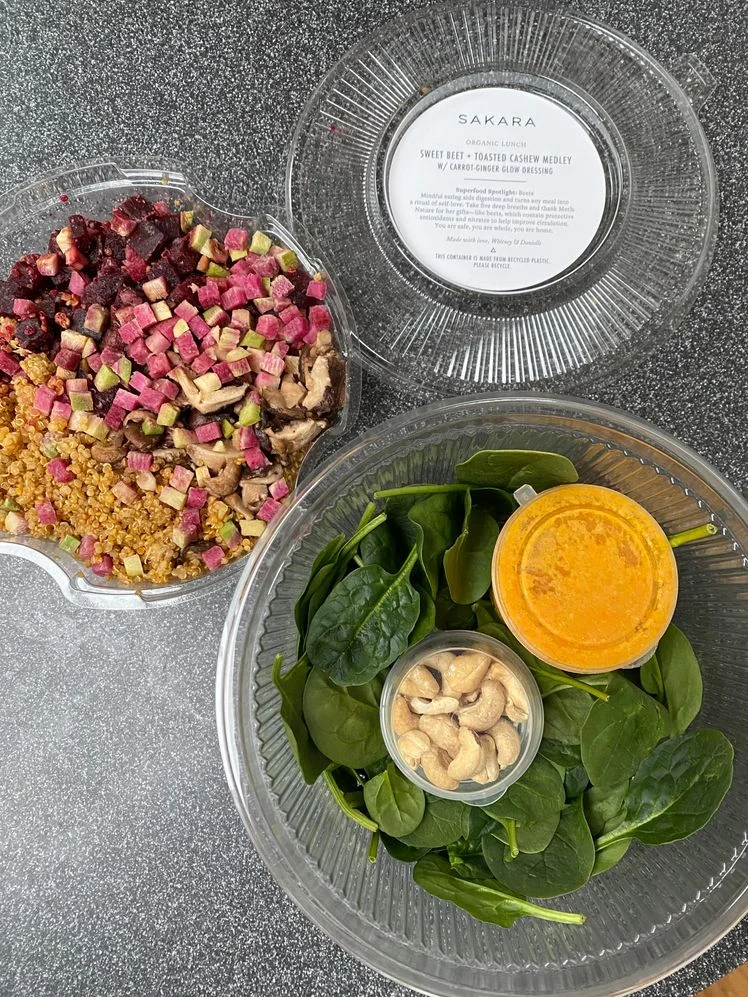
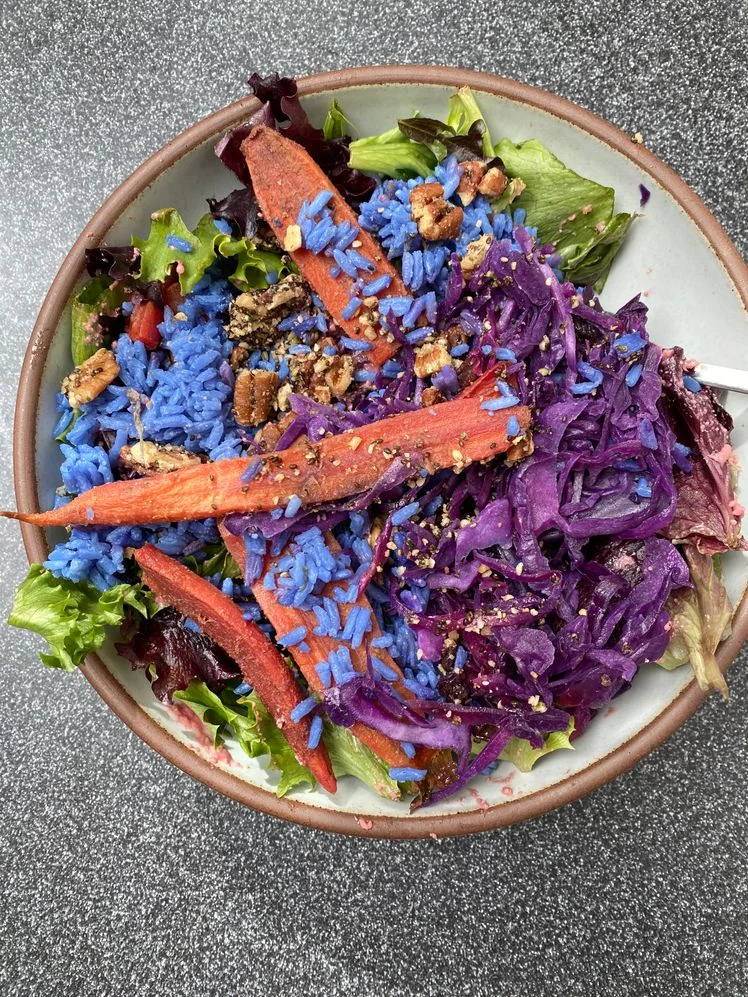
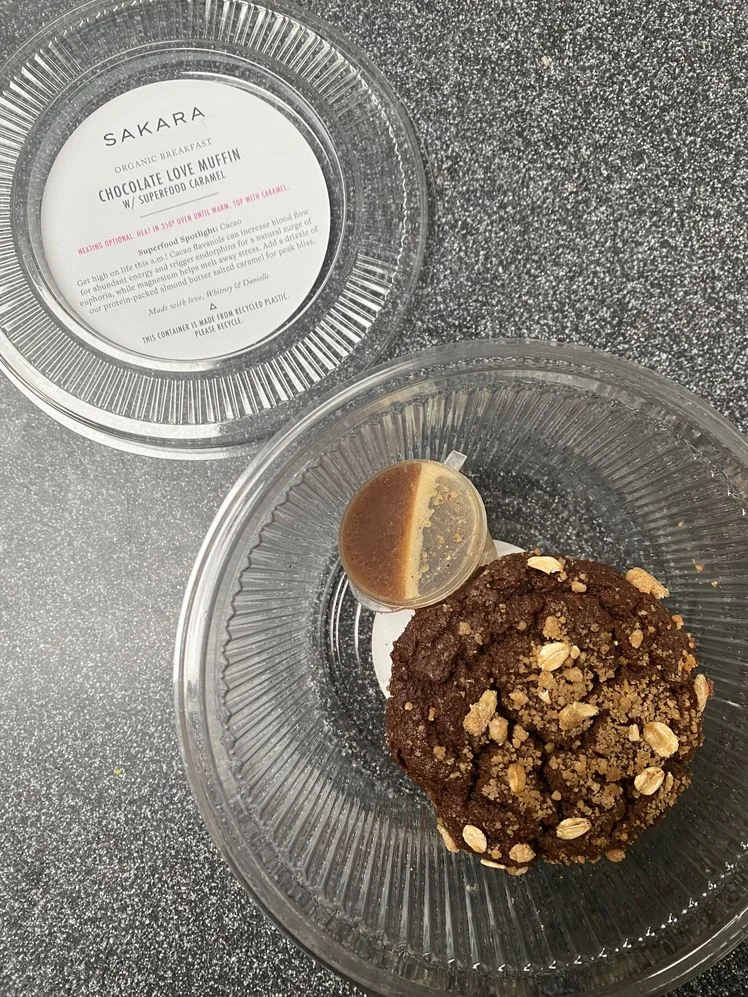
Founded by Danielle DuBoise and Whitney Tingle, who were seeking solutions to their own health issues, Sakara specializes in plant-based, gluten-free prepared meals that prioritize nutrient-rich foods. The brand is all about wellness, touting "9 Pillars of Nutrition" that range from "eat the rainbow" and "eat your water" to "leafy greens" and "good fats." The brand's Signature Nutrition Program allows you to choose between three or five days of breakfasts, lunches, and dinners, or just lunches and dinners.
All of the meals Emma Laperruque, director of cooking, received were “straightforward and quick to prepare.” Many required no heating at all (a parfait for breakfast, a salad for lunch), and those that did could often be microwaved instead of following the suggested oven instructions, with perfectly good results. “There were a few heating recommendations that I adjusted to speed things up; for example, instead of reheating a taco in a 350° oven for five minutes as suggested (my oven takes forever to get to temperature), I just zapped it in the microwave for a minute, and that worked great,” said Laperruque.
Breakfasts skew sweet, with muffins, scones, parfaits, and granola making up most of the offerings. These aren't cloyingly sweet, though; Laperruque found them well-balanced. “I especially enjoyed the pumpkin pie parfait with a maple-cinnamon granola and the coconut praline granola with cacao mylk,” she said.
“Sakara’s salads are excellent—a reliable delight to dig into in the middle of a busy workday. They’re generously portioned, so you have enough fuel to power you through the afternoon. And they’re thoughtfully designed with a range of textures (so many leafy greens and crunchy veg!) and colors (Would I ever dye quinoa with turmeric and blue spirulina myself? No! That’s why it’s so thrilling when someone else does it for you). Just about every dressing I wished I had a full bottle of to keep in the fridge for future meals,” Laperruque raved. She especially enjoyed the beet salad with cashews and carrot-ginger dressing, and the Technicolor quinoa salad with pumpkin-seed tofu and cashew-tamari dressing.
Dinners were enjoyable on the whole ("I’m still thinking about Sakara’s ‘chile-kissed’ pinto beans and wishing I had them canned," says Laperruque), though portion sizes leaned small for bigger eaters. The gluten-free baked goods—such as a “chocolate love muffin”—were more hit or miss; creatively conceived but sometimes a significant departure from their inspiration, they'll appeal most to those who are actually gluten-free.
The main downside to Sakara is the price. At $140–$465 per week (per person!), depending on your plan, it’s the priciest option on this list. But if you’re someone who prioritizes wellness and sees food as a source of nourishment and healing, you’ll like what you get. It’s also a great option for people who are gluten-free or vegan.
What's the ordering process like? Sakara rolls out set menus each week, and as part of the Signature Nutrition Program, you choose a plan that includes lunch and dinner, or breakfast, lunch, and dinner. The five lunches for the week are the five lunches for the week, with no substitutions. But for a service designed to simplify your life, that's more feature than flaw: all the planning and curation is handled for you. You can order on a weekly subscription or prepay for one, four, eight, or twelve weeks at a time.
How was the unboxing experience? The kits were packaged securely. Everything arrived fresh and cold.
| Type of meal delivery service: | Prepared meal delivery service (with some assembly required) |
| Typical prep and cooking time: | Just a few minutes of prep |
| Gluten-free options: | Yes |
| Plant-based options: | Yes |
| Add-ons available: | Yes; Sakara also makes packaged snacks and supplements |
| Average meal price: | Plans start at $140 per week |
| Additional shipping fee: | Free when you subscribe |
- Healthy, nourishing meals
- Appealing to vegetarian, vegan, gluten-free eaters
- Curated menu means all the planning is taken care of for you
- Premium price point might not fit into a lot of people’s budgets
Click here for our full review of Sakara
How we tested these services
At any given moment, BA editors are probably testing a meal kit—we keep this process going perpetually to ensure that we’re familiar with the ever-changing meal options the kits offer and to monitor quality and consistency over time. For over a year, editors from across the BA team have integrated meals from all of the companies above into their daily cooking repertoires. We also frequently have staff members retest meal kits that are new to them, so we get a variety of perspectives. Here’s the process we use when conducting our testing:
Getting a feel for the ordering process
Editors select meals from the company, ensuring that they choose a wide variety of meal options that will really demonstrate everything this particular meal kit has to offer. We pay close attention to the ordering process, making note of how easy it is to sign up, whether it’s possible to filter by different dietary needs, and what options are available in terms of serving size, frequency, and cuisines.
Receiving and unboxing the meal kits
We take note of any delivery mishaps or delays for each shipment. Then, after receiving the meal kit, we unbox it and examine how well items were packed: Is there a lot of plastic? Did the ingredients get damaged or lose freshness during shipping? We then put items away in the fridge or pantry until we’re ready to use them.
Cooking and eating the meal kits
When it’s time to cook, we follow the provided instructions closely and make note of any unclear steps or inaccurate cook times. We plate each meal as directed, and then we taste, paying attention to flavor, how satisfying the meal is, and whether the portion size feels ample enough.
Long-term testing
Our reviews don’t stop at a single week of testing. We regularly return to these services with fresh eyes—often assigning them to editors who haven’t tried them—to account for changes in menu availability, ingredient quality, and overall experience. Services can shift significantly over time, and a meal kit that impressed us a year ago may have changed, for better or worse. When we notice meaningful differences, we update our reviews accordingly.
What makes a good meal delivery service
How does the kit fare in an unboxing test?
We unpack the meal kits carefully, paying attention to the way the ingredients arrive. We want packaging that ensures freshness, but we also keep an eye out for waste—we like to see brands that avoid things like single-use plastics as much as possible. We look at the individual ingredients offered in each meal kit and assess their quality comparative to ingredients at our local grocery stores, and, of course, in comparison to their competitors.
Do the recipes work?
Many of the editors who test our meal kits work on developing and cross-testing recipes, so they are experts at assessing whether the instructions are clear, the steps are efficient, and whether the recipe offers the best possible cooking results. But we also deliberately test these kits in our home kitchens, as part of our normal cooking routines, so we can gain genuine insight into how they perform when we’re quickly cobbling together dinner after a busy day of work or trying to feed our families. After all, this is the reason many of us seek meal kits out in the first place.
Do the meals taste good?
This one’s obvious! We take tasting notes while we’re trialing, and we consider this the most important metric upon which we judge the best meal kits.
Who is this meal kit right for?
Different meal kits are designed to meet different needs. Some offer packaged ready-made meals that are as easy as fast food, but offer more nutritional value. Some involve just as much chopping and sautéing and cleaning up afterward as a regular recipe. The first might be great for a busy family looking to fill a few weeknight dinners with cook-free options, while the second might be perfect for someone who genuinely loves to cook and is looking for new recipes and to learn new techniques. We do judge these meal kits against one another, but we also assess them based on how well they serve the specific user needs they’re designed for.
How does the price compare to grocery store prices, takeout, and the cost of other meal kits?
There’s no way around it: Meal kits are expensive. But you pay this premium for the convenience of having the meals delivered to your door, access to original recipes, and, in some cases, to have ready-made meals. We compare the price per serving on meal kits and try to find the best quality for the price or to ensure that the factors named above offer enough of a benefit to outweigh the increased cost.
Other meal kits we’ve tested
There are things we liked and things we’d leave about each of the kits below. But hey—everyone’s different! So one of these might be best for you.
Blue Apron
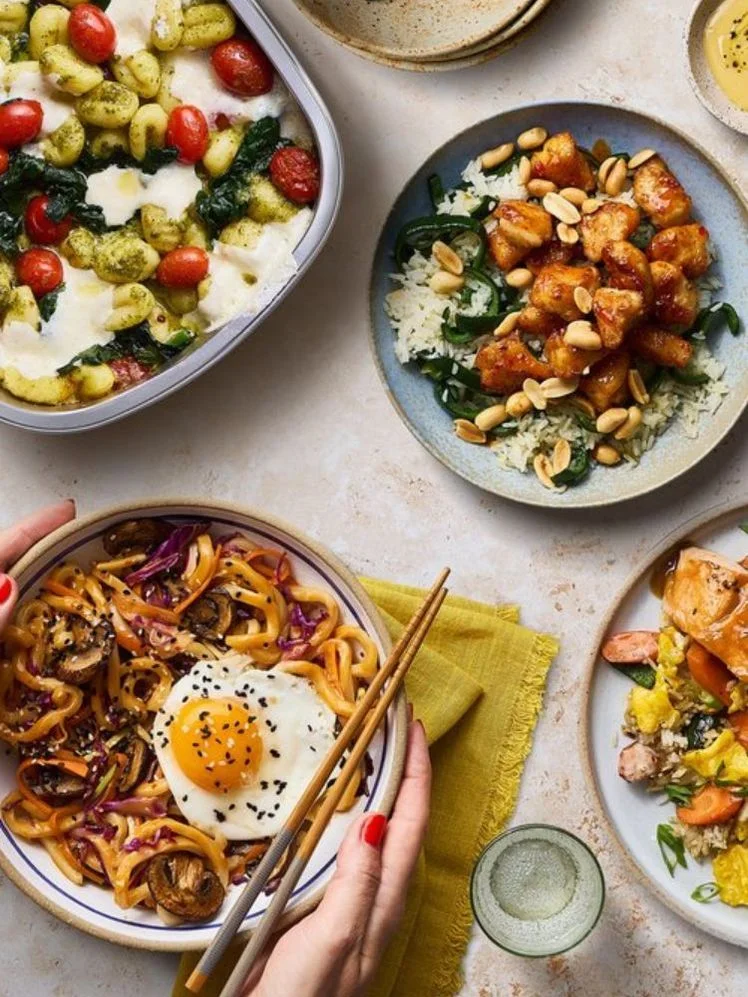
Founded in 2012, Blue Apron is one of the OG meal kit companies on the market today. The brand company underwent a rebrand that includes a refreshed ordering experience and a business model geared toward busy people (or at least people who don’t want to cook all the time—which, same).
In addition to the original kit-style meals Blue Apron's known for, the brand now offers two additional dish types to choose from: Dish (a.k.a. heat and eat) and Assemble and Bake (which require less prep work and fewer dishes than a traditional meal kit). Contributor Lizzy Briskin sampled a meal from each of the three categories and found them all to be quite good.
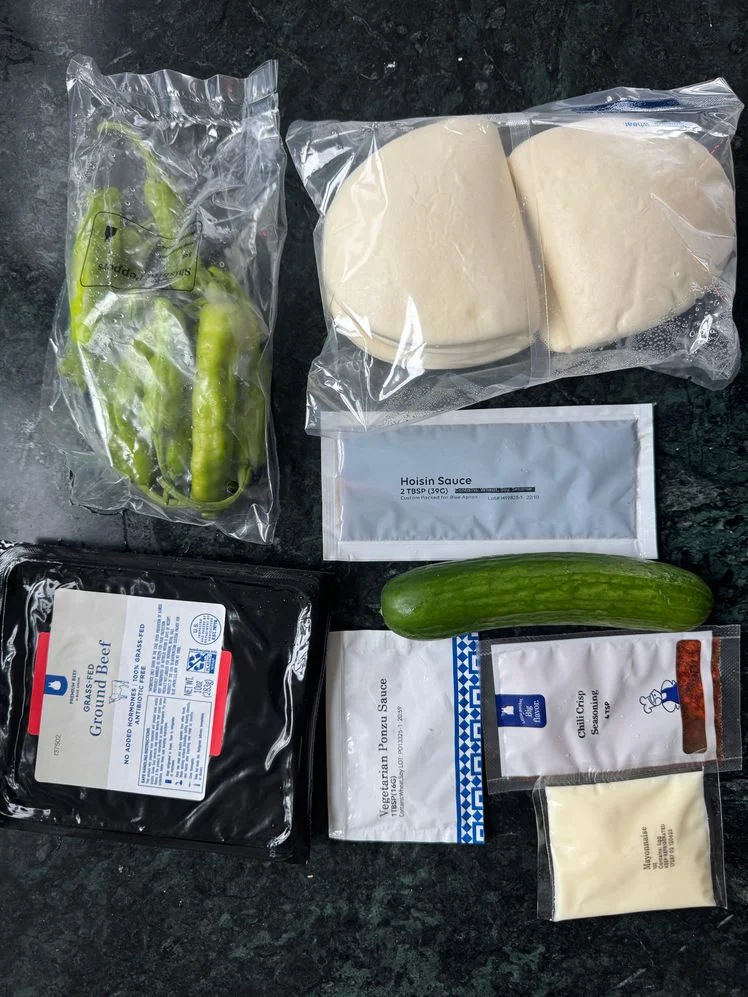
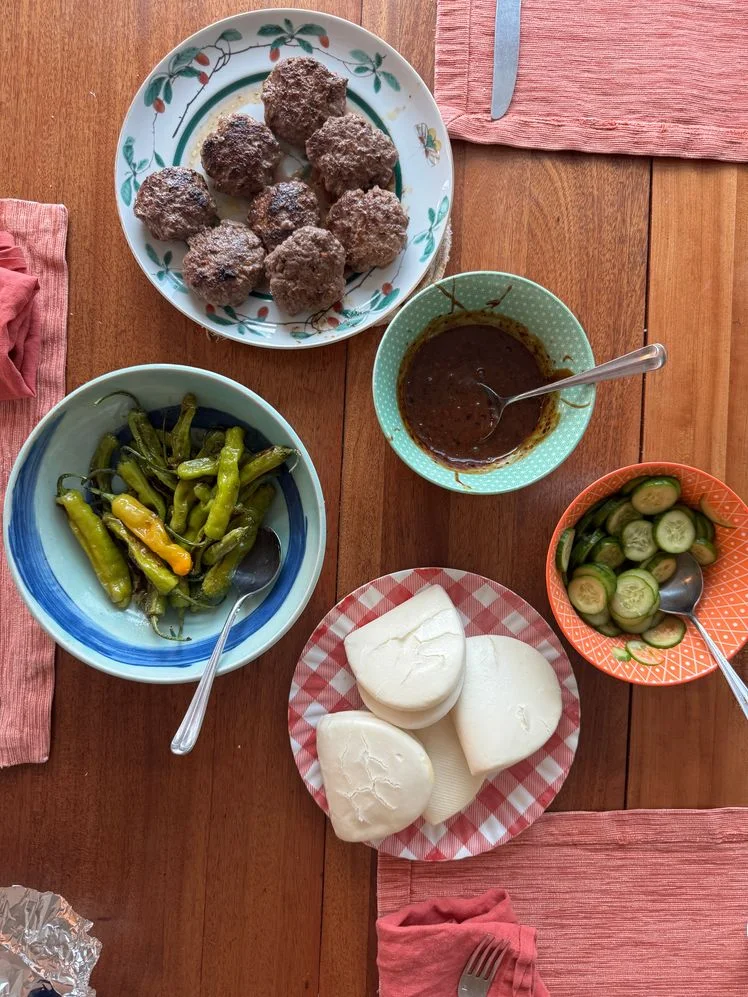
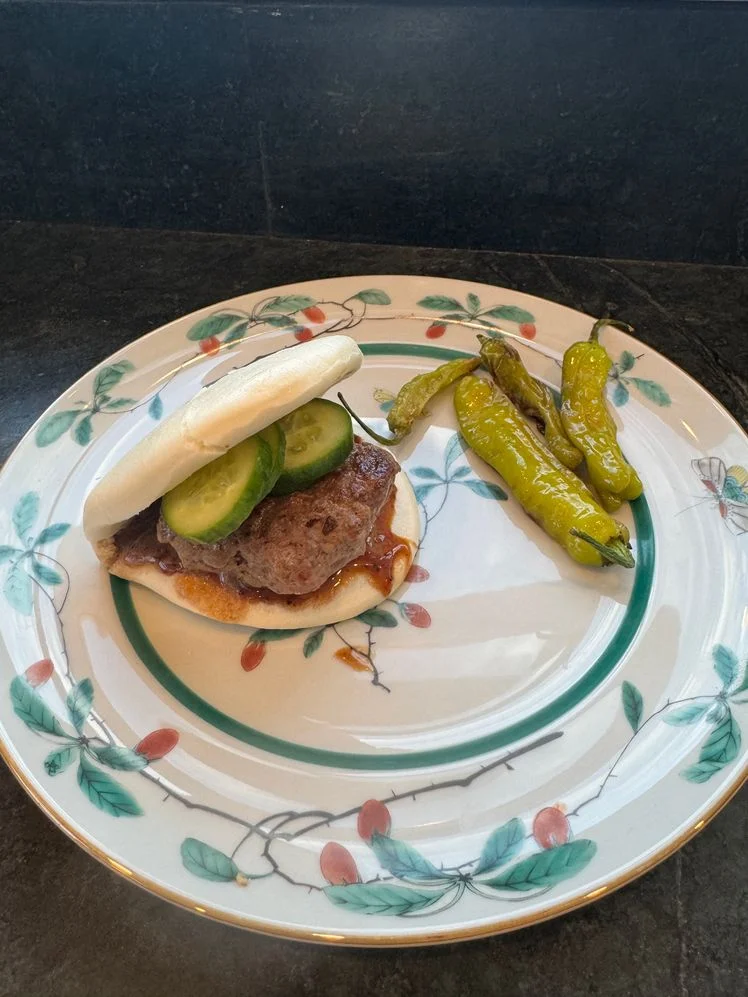
The Chili Crisp Beef Bao Buns were “involved but not stressful." Besides heating the premade buns, tasks included searing shishito peppers, slicing a cucumber, mixing together a spicy hoisin mayo, and shaping and cooking beef patties. “The four-step instructions suggest using the same skillet for the shishitos and patties, which I appreciated to minimize dishes. The grass-fed beef was excellent—juicy, flavorful, and high-quality even with minimal seasoning. The whole meal took me under 30 minutes and was overall a satisfying dinner. The quick-pickled cucumbers were a bright, acidic counterpoint to the rich buns,” writes Briskin.
The heat and heat Coconut Korma Chicken and Sheet Pan Shrimp Panzanella Assemble and Bake were hits too, and Briskin appreciated that the panzanella required very little prep and was ready in just 20 minutes. She also notes that the produce for the dish seemed very fresh.
What was the ordering process like? Blue Apron has officially switched its model over to an à la carte experience, which means no more lengthy signup process—you'll just jump straight in and choose as many meals as you'd like, then place the order. “While I appreciate this flexibility, I was a little overwhelmed by the expansive menu. Currently, you can only filter the meals by cooking time (5, 15, 30, 45, and 60-plus minutes) and protein type. I’d love to see filters for allergens or other dietary preferences,” writes Briskin.
How was the unboxing experience? Briskin says that her order arrived well-packed with plenty of ice packs and that the proteins were at the bottom of the box right on top of the ice. The Assemble and Bake and Meal Kit meals come in labeled clear plastic bags. There is a lot of packaging in general, though that's sort of par for the course with most meal kits.
- Quality ingredients
- Reliable recipes
- Easy-to-follow recipe cards
- A lot of packaging
- Meals can take a while to prepare
Click here for our full review of Blue Apron
Factor
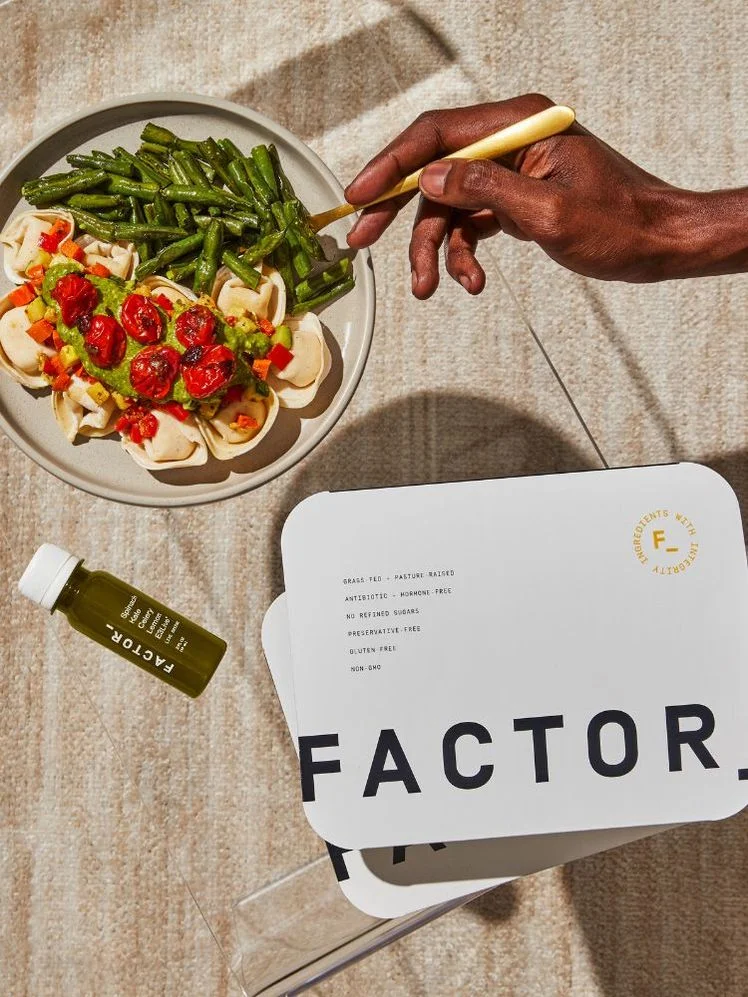
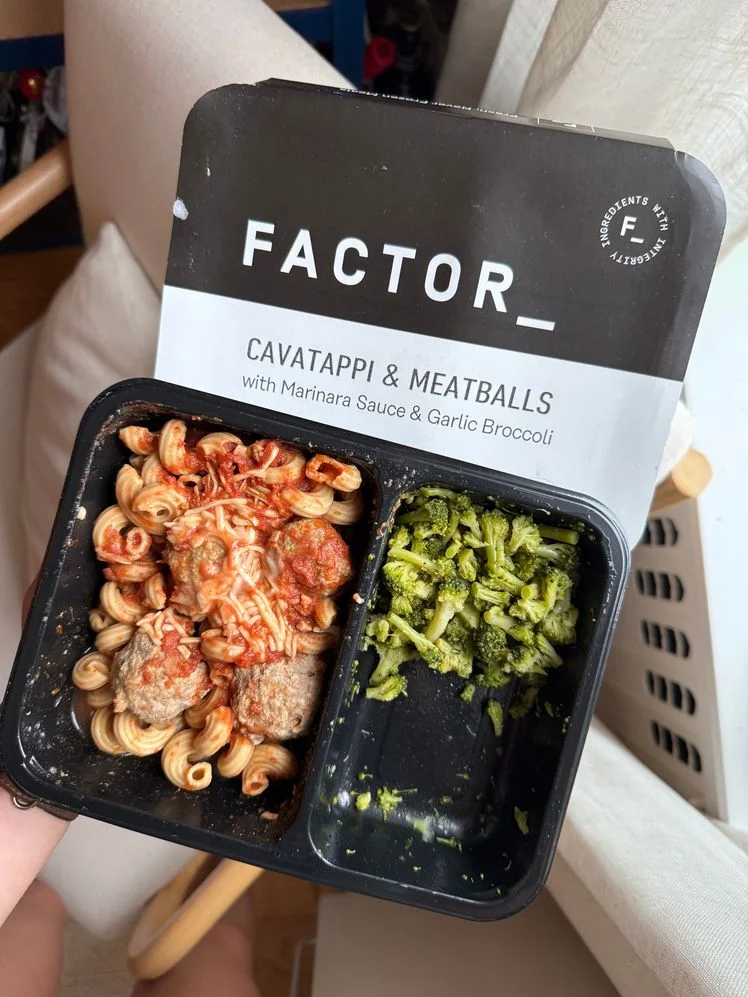
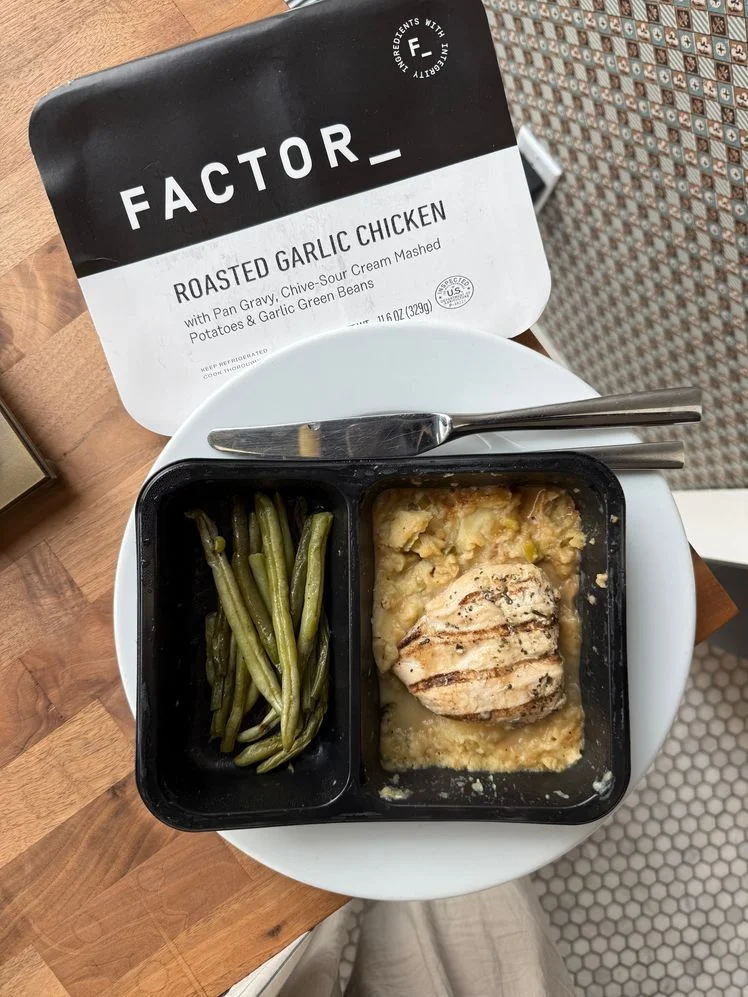
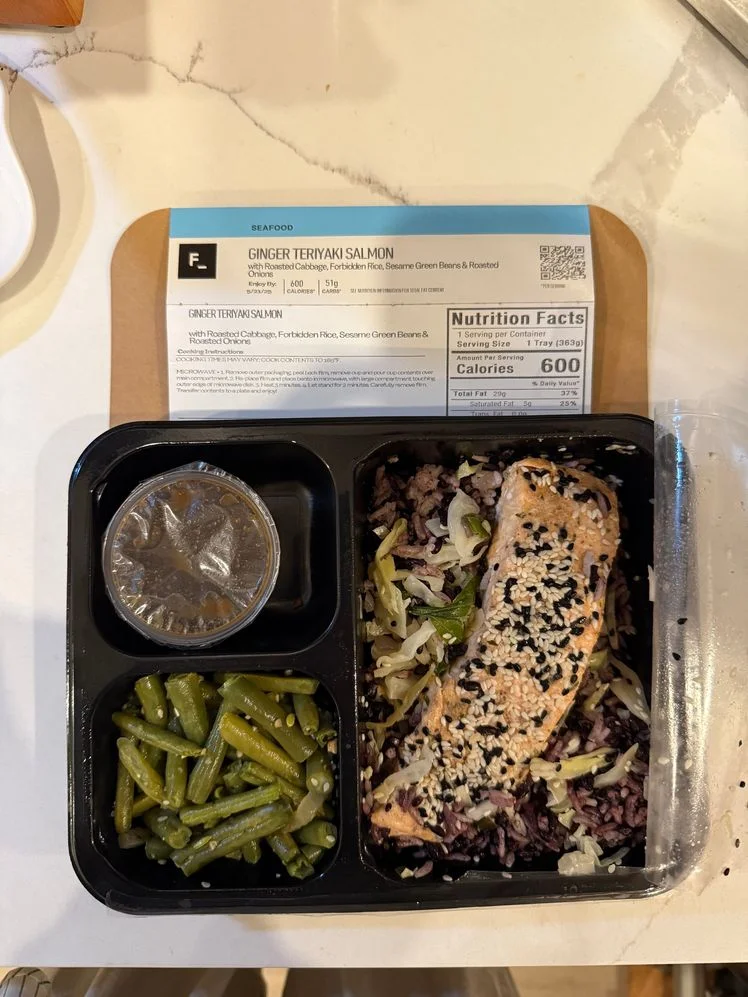
Factor positions itself as a nutritious, dietitian-approved meal delivery service with fully prepared, never-frozen meals designed around specific wellness goals. The menu spans around 65 options per week, with dietary preference filters including Keto, High Protein, Calorie Smart, Carb Conscious, GLP-1 Support, and Fiber Filled. Meals follow a simple formula—a protein with one or two sides—and are approved by a team of registered dietitians. It’s a strong option for anyone looking to eat well on a tight schedule without any meal prep.
Commerce writer Alaina Chou, a self-described skeptic of microwave meals, came away more impressed than she expected after two weeks and 12 meals. The dishes held up better in the microwave than anticipated: The chicken breast in the Green Chile Chicken was “shockingly juicy,” pasta in the Cavatappi and Meatballs retained a bit of bite, and the brussels sprouts in the Homestyle Turkey and Gravy somehow avoided getting mushy. Every dish was well-seasoned enough that she never reached for extra salt or pepper, which she notes is a rare occurrence. Portions felt balanced and satisfying, typically built around a protein with one carb and one vegetable side. The one notable miss was a pork chop that came out tough and unenjoyable.
Here are a few more things to know about Factor going in. Vegetable sides can get waterlogged or squeaky after microwaving (broccoli and green beans in particular). Factor’s rotating produce can feel repetitive across dishes, and the menu is thin on plant-based options. Sodium runs on the higher side, too, typically 700 to 1,000 milligrams per meal. And while the food is dietitian-approved, Factor doesn’t offer much transparency about ingredient sourcing. Chou sees this as a service best suited to a few weeks at a time rather than an indefinite subscription—ideal for busy stretches when convenience takes priority, less so as an everyday replacement for home cooking.
Factor is a solid option for anyone who doesn’t have time to cook and wants a convenient, hot meal. It’s far cheaper than ordering in, but more expensive than grocery shopping and cooking. If you’re able, I would suggest breaking it up with some real home-cooked meals in between.
What’s the ordering process like? Straightforward: select up to three wellness goals, choose your dietary preferences, pick how many meals you want per week (anywhere from six to 18), and browse a rotating menu of around 65 options. Each meal is clearly tagged with relevant dietary labels, and clicking in reveals a full description, nutrition label, ingredient list, and allergen information. Factor preselects meals for you, but swapping them out is easy before the weekly cutoff.
How was the unboxing experience? Deliveries arrive in an insulated, recyclable cardboard box lined with ice packs. Each meal comes in a segmented plastic tray sealed with plastic film and sleeved in cardboard printed with the meal name, ingredients, and heating instructions. Most materials are recyclable, though Chou notes the individual cardboard sleeves feel like an area where packaging could be trimmed down.
- Easy and cheaper than takeout
- Flavorful and satisfying
- Nutritious options
- Gets tiring eating food microwaved in plastic containers
- Some meal portions were on the smaller side
Thistle
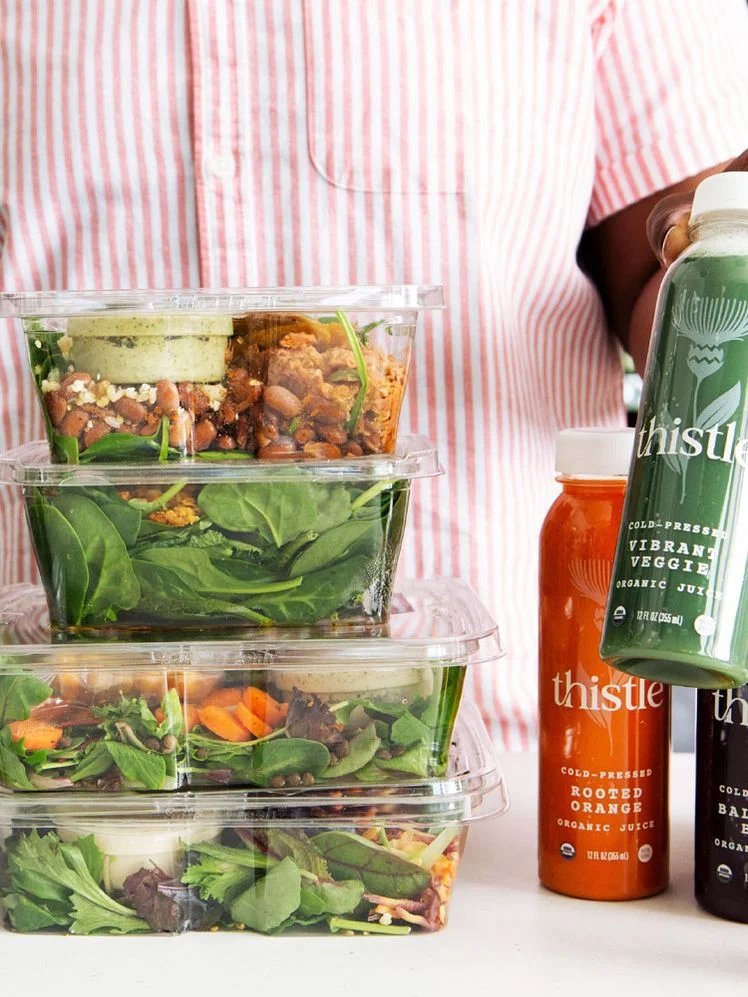
Thistle's prepared meals are created in collaboration with nutritionists to ensure all recipes are nutrient-rich. The entire menu is gluten- and dairy-free (which makes this brand a great pick for people with sensitivities or allergies to those ingredients), you can choose whether or not to include meat in your meals, and all dishes are high-fiber (10 to 20 grams) and protein (20 to 40 grams). This takes all the guesswork—and prep work—out of healthy eating for people who are serious about their nutrition goals but short on time and/or energy.
Senior commerce director Abbey Stone found that Thistle's meals taste about as healthy as they are—which, depending on your palate, could be a pro or a con. She didn't find them lacking in flavor, but noted they all shared a similar profile, likely due to overlapping ingredients across recipes. “This meant I grew tired of the meals over the course of the week I tested them,” she said. All of the entrées were bowl-style dishes—pastas, grain bowls, salads—which Stone found more suited to lunch than dinner. As a lunch option, they hold their own against any fast-casual spot, and at $11.50 per serving, undercut the price of, say, a Dig Inn bowl. The one catch: many recipes require stovetop heating, making them tricky to prepare in a typical office kitchen.
What’s the ordering process like? Enter your zip code to confirm Thistle delivers to your area—it's only available on the West Coast (California, Oregon, Washington, Arizona, and Nevada) and in the Northeast (Boston, New York, Philly, and DC). From there, choose dietary preferences (vegan, vegetarian, or some meat), number of meals, and delivery frequency (once or twice a week). You can select a delivery window and Thistle will send text updates along the way.
How was the unboxing experience? Each meal is packaged in a plastic container with a label that shows the nutrition information and ingredients. However, in a nod toward sustainability, the insulated bag your delivery arrives in and the cold packs used to keep your meals from spoiling are reusable. Leave them outside your door, and Thistle will pick them up when they deliver your next shipment.
- Dairy-, gluten-, and refined sugar-free
- Affordable
- Option to add on juices and elixirs
- All meals are bowl-style (pastas, salads, grain bowls)
- Only available in limited East and West Coast zip codes
Gobble
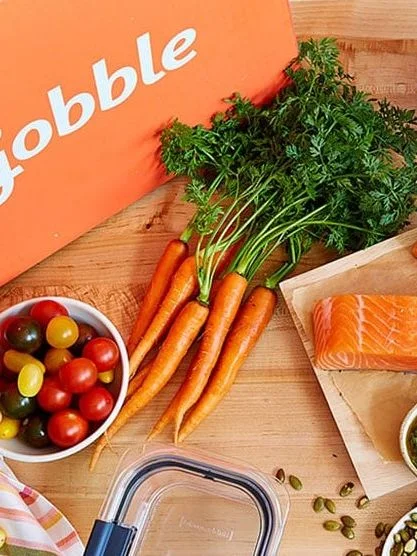
Many meal kit services emphasize 30-minute home-cooked meals, but Gobble cuts that promise in half, advertising entrées that come together in 15 minutes—and largely delivers on it. Dishes move quickly because Gobble does a lot of the prep work upfront: sauces arrive fully made, and vegetables come already broken down.
Emily Johnson, former associate commerce director, found it to be the go-to service for hearty, generous portions. "In my experience with other meal kit services, portions tend to be small, so you really get your money's worth here," she writes. Her favorite was a chicken burger with sriracha aioli and yuca fries: "The recipe was easy to follow; the sauces, dressings, and spice blends were premade; and the burger was juicy with lots of flavor thanks to the Cajun seasoning, spicy aioli, and honey-Dijon slaw." Other standouts included a Tuscan pork sugo with peppers and an aloo matar with marble potatoes.
The weekly menu runs about 15 dinners, but the add-ons are where Gobble earns extra points. À la carte salads, soups, flatbreads, breakfasts (Belgian waffles, bacon egg and cheese sandwiches), and desserts (chocolate chip cookie dough, chocolate lava cake) make it easy to round out a full meal or stock up on quick lunches. Johnson was particularly fond of the chicken tortilla soup as an office lunch option. Gobble does offer meals for specific diets including low-calorie, dairy-free, plant-based, and vegan, but that's not the primary draw. This is the service to turn to when you want satisfying, crowd-pleasing meals with minimal fuss.
What’s the ordering process like? As with many of the options on this list, you answer a series of questions about what you are looking for in a meal kit when you order Gobble: You answer questions about specific dietary preferences you are trying to cater to, lifestyle questions, and more. Then the website allows you to pick from a series of menu options each week to decide what will be sent to you and what you will make for the week.
How was the unboxing experience? Each meal is packaged together, which is really convenient. They are also individually packed over ice, and you unbox your meal feeling like everything has been very well kept and is arriving at your door very fresh.
- Quick cook times
- Low effort; prep work done for you
- Large portions
- Lack of variety
Sunbasket
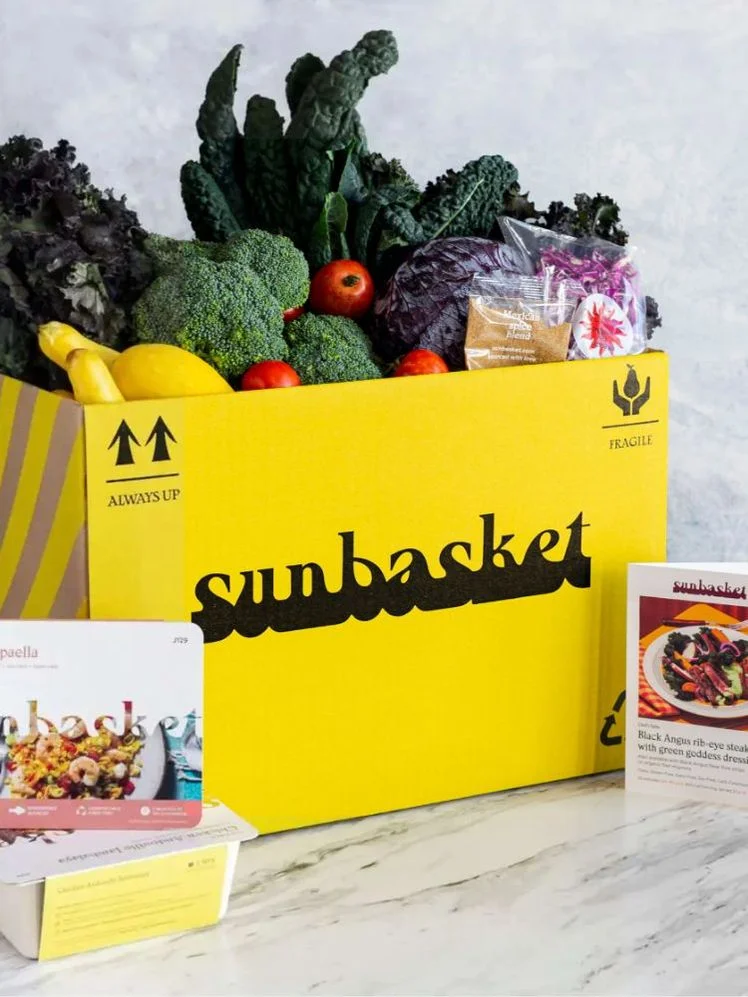
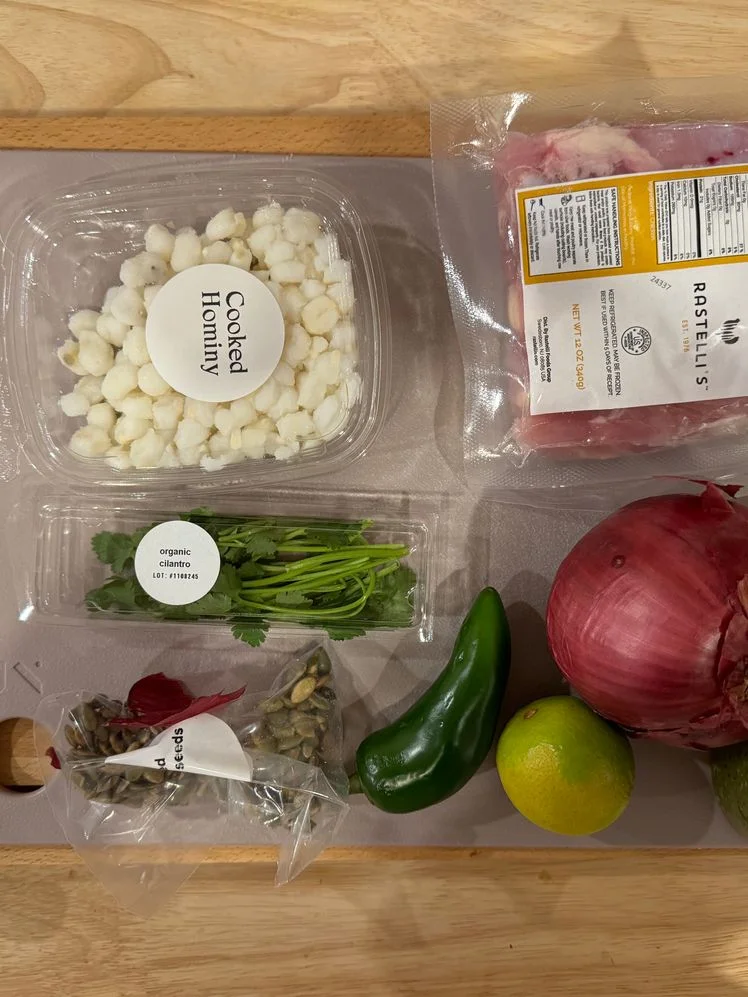
Sunbasket operates similarly to most other meal kit services—pick your weekly meals, receive a box of preportioned ingredients organized by dish, and cook as directed by the included recipe pamphlets. While words like clean and healthy feature prominently in Sunbasket’s website copy, the thing that really sets it apart from most other meal delivery services is a focus on high-quality, certified organic produce—though as our tester found, that promise comes with some caveats.
Commerce writer Alaina Chou found the weekly menu more exciting than most meal kit fare she's tried, spanning a broad range of cuisines and ingredients—think Afghan-Style Butternut Squash Stew with Garlic Yogurt, Chicken Breasts with Olive-Leek Sauce and Sautéed Kale, or Mexican Street Tacos with Tomatillo Chicken, Salsa, and Lime Yogurt. She also appreciated being able to preview the full recipe steps before ordering, including which steps kids could help with.
The meals themselves were easy and fast to make. “The Chicken Pozole Verde with Tomatillos and Green Chiles was one of my favorite meals I made, tied, perhaps, with that Red Lentil and Chickpea Dal (with the nonorganic butternut squash),” says Chou.
Some dishes felt a bit all over the place, like the Green Beans Almondine and Zucchini with Your Choice of Protein. “The pairing of vegetables seemed random to me, as did the green goddess dressing that I poured over the meat and balsamic-dressed green beans. The dish tasted perfectly fine, but it’s not a combination I’d put together again on my own,” says Chou.
Sunbasket also offers heat-and-eat meals. Chou tried a riff on chicken and dumplings, which "just didn't have a ton of flavor," Chou said. "It felt a bit like eating airplane food." A premium Chef's Table scallop dish with roasted sunchokes and caper-raisin tapenade was delicious, but at $30-plus per serving, it's restaurant money for a meal you're cooking yourself.
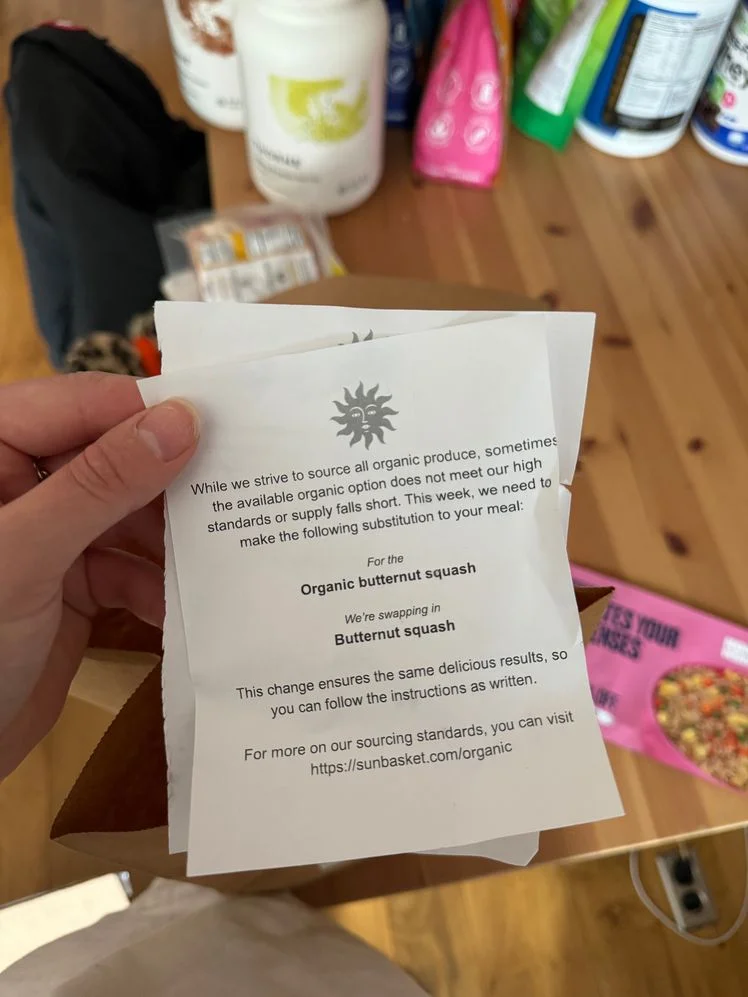
Two hiccups worth flagging: In her first order, the organic butternut squash in the Dal was substituted with nonorganic without a price adjustment, and a missing recipe card was replaced with a note citing printer issues. "It was a bit annoying," Chou notes, "given that this is a premium service you're paying for." Overall, she found the meals consistently tasty and nourishing but wasn't wowed enough to justify the $13–$15 per serving price tag. It could be worth a shot if the organic focus and adventurous menu appeal to you—just go in with calibrated expectations.
What’s the ordering process like? The ordering process was straightforward and can be done online or through Sunbasket’s app. You can choose between various dietary preferences (Carb-Conscious, Gluten-Free, Vegetarian, Pescatarian, Mediterranean, Diabetes-Friendly, Paleo, or Keto-Friendly), or go the general route. After entering your payment details, you’ll select your meals from a weekly menu of 18 or so dishes, with the option to add on premade meals and market (grocery) items as well. There is a $45 minimum for each week’s order.
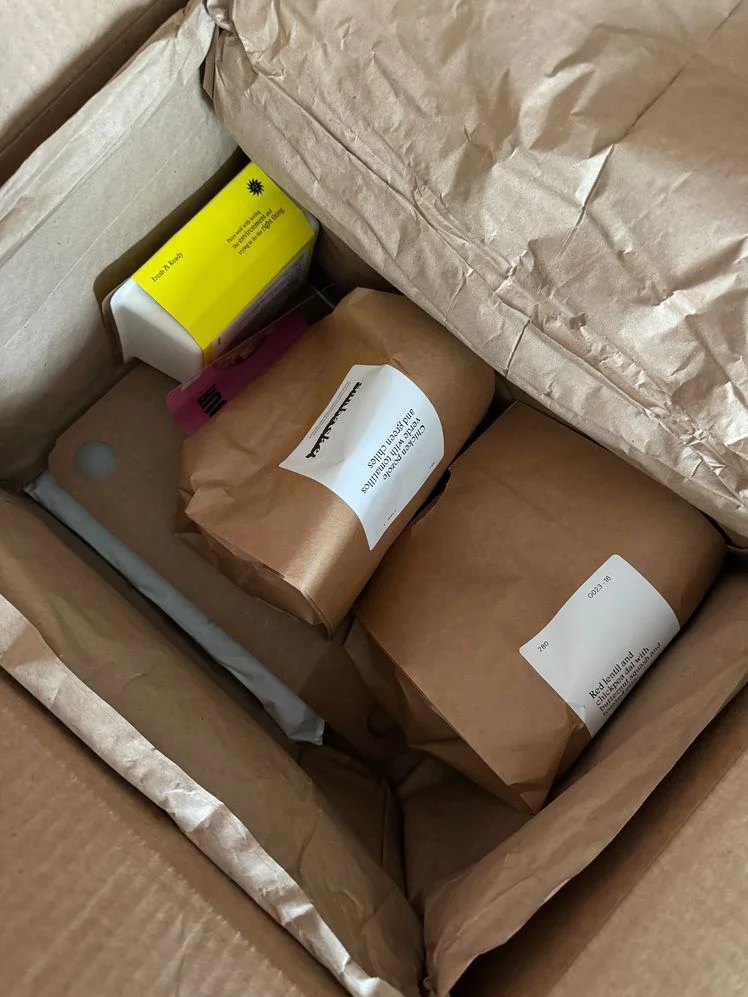
How was the unboxing experience? Orders arrived on time and neatly packed, with each meal's ingredients in its own brown paper bag and proteins stored at the bottom of the box directly beneath an ice pack—easy to organize in the fridge and pull from when it's time to cook. As noted, Sunbasket will occasionally swap ingredients based on availability, sometimes substituting organic produce for nonorganic, so it's worth keeping an eye on those slips of paper tucked into each bag.
- Good variety of recipe options
- Meals felt relatively healthy with a good amount of produce
- Organic produce can be substituted for nonorganic
- On the pricier side, depending on what you get
Forkful
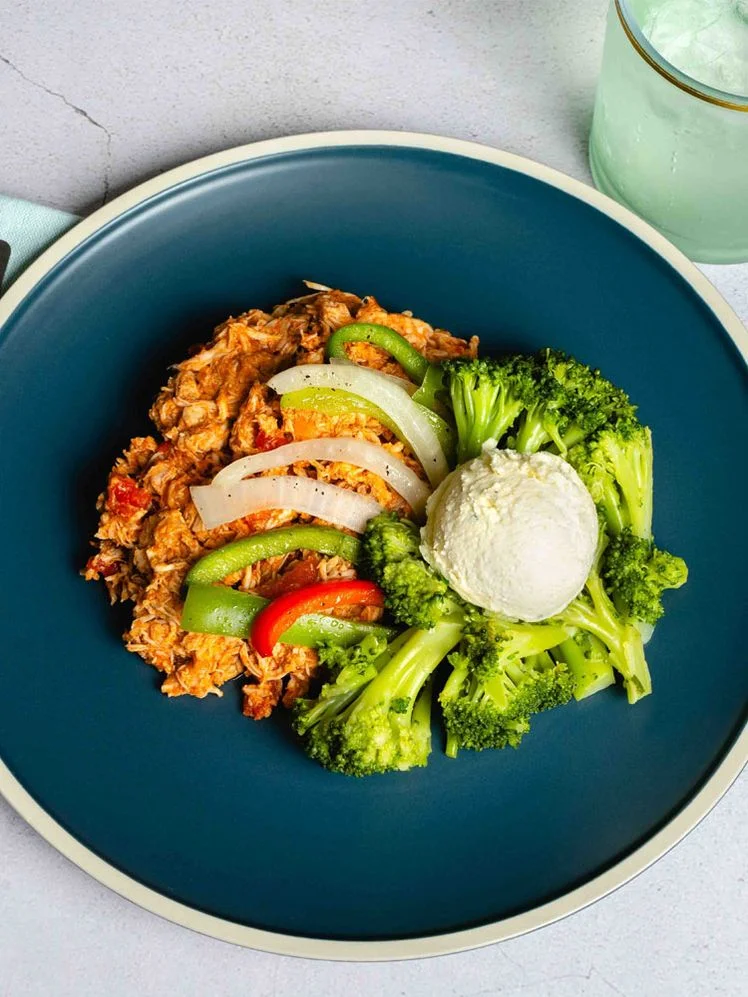
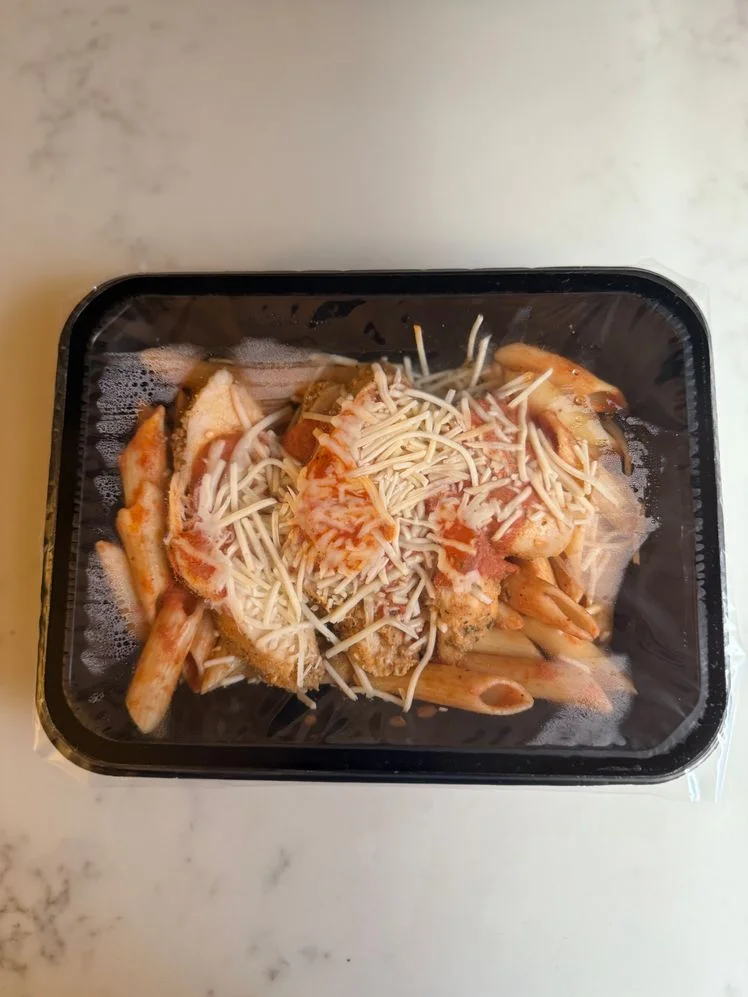
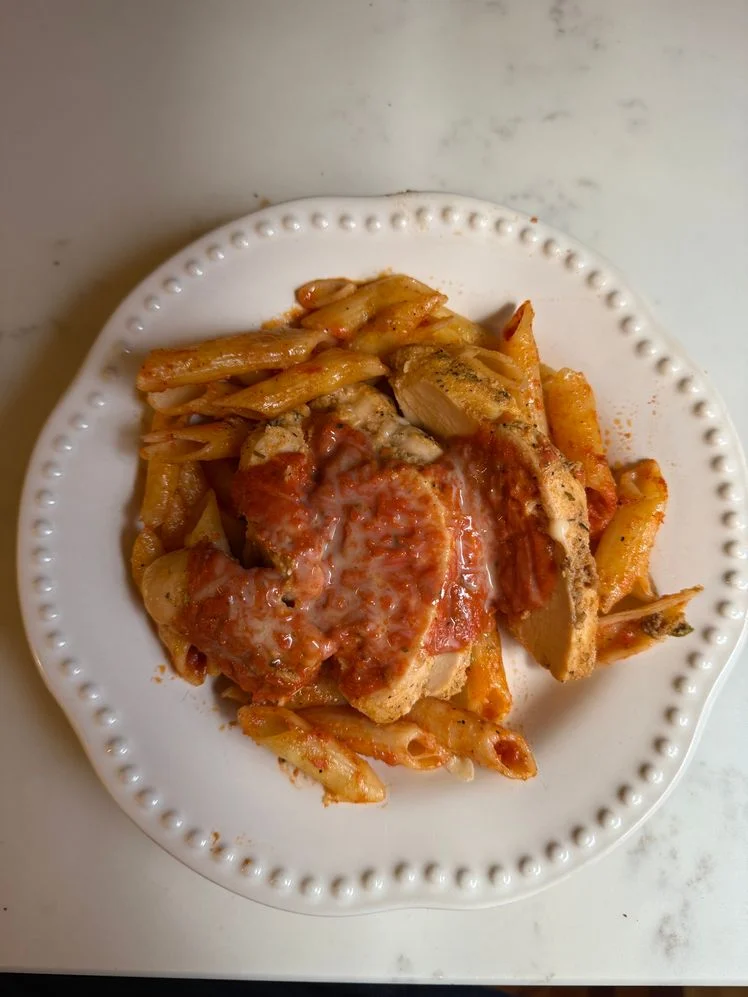
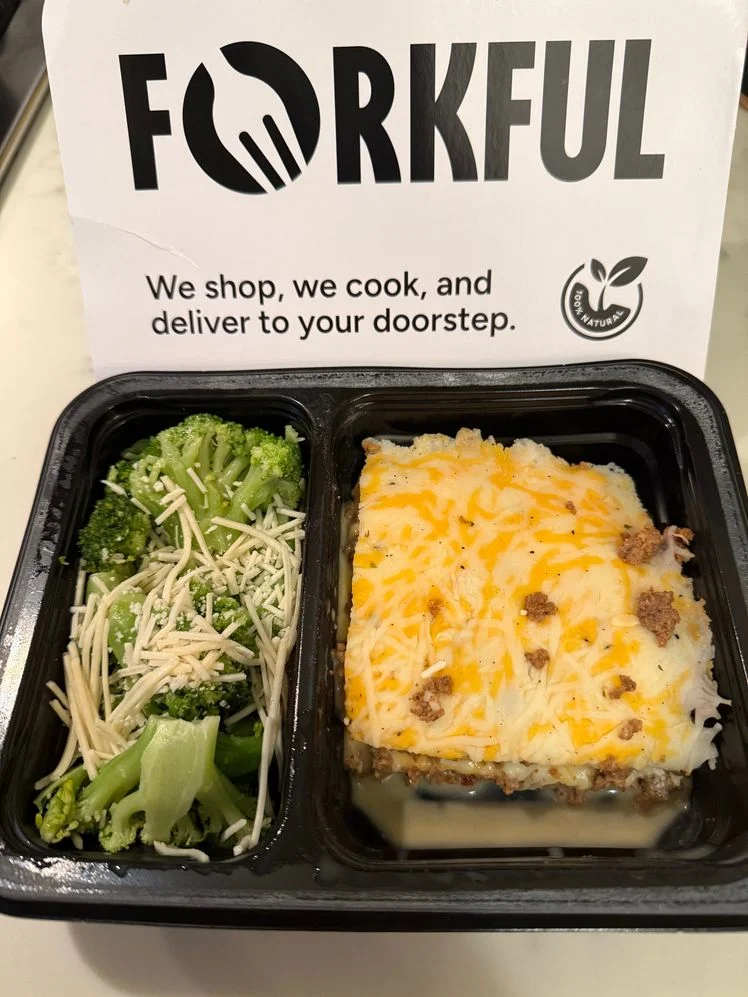
Forkful is a prepared meal delivery service with a focus on healthy eating. It uses organic ingredients and caters to eight different diets, including gluten-free, plant-based, keto, and high-protein. All meals are cooked by chefs without seed oils (although, you should know, the research on the impact of seed oils on your health is dubious) and delivered to you fresh, not frozen. In a nutshell, Forkful provides a tasty solution for busy folks looking to get a nutritious meal with no time or effort.
Forkful checks a lot of boxes that health-conscious folks look for in a food delivery service: You can filter by dietary preference, there's an opportunity to input your allergies, and the labels makes it easy to see the nutritional information for each meal, including the amount of calories, carbs, and other macros.
Abbey Stone, senior commerce director, tried Forkful specifically with plant-based eating in mind and said, “Forkful meals provide easy, fully vegan options for things like office lunches that will leave you feeling full without need to constantly order out.”
The quality of Forkful's meals varied from dish to dish; some featured flavorful sauces and were well seasoned, while others were bland (like a side of under-salted broccoli) or texturally unappealing (chicken, in particular, didn't fare well to microwave heating). And while Forkful offers dozens of meals to choose from each week, many of them are of a similar ilk—pastas, protein with a side of rice or potatoes, kids-menu favorites like chicken nuggets. Like the above reviewer, I found that these types of meals work best for lunch; and the fact that they are microwavable makes them easy to heat up in an office nuke. However, because the full menu shares a similar flavor profile, I found I tired of them after eating a couple in one week.
What's the ordering process like? Ordering is straightforward: You select the eating plan you follow and the number of meals you'd like each week (from six to 20). Then you enter your payment information, select the Monday you'd like your first box delivered (deliveries are only made on Mondays), and pick your meals. You have until Wednesday each week to select your meals for the following week.
How was the unboxing experience? Forkful's meals are packaged in a plastic tray and covered with plastic film. They are stacked into a cardboard box with recyclable cardboard padding and cool packs.
| Type of meal delivery service: | Prepared foods delivery service |
| Typical prep and cooking time: | 3 minutes in the microwave; 25-35 minutes in the oven |
| Gluten-free options: | Yes |
| Plant-based options: | Yes |
| Add-ons available: | Yes; primarily desserts |
| Average meal price: | $9 to $13 per serving |
| Additional shipping fee: | Varies by location |
- Generous portion sizes
- Meals are delivered fresh, so they heat up in less than 3 minutes
- Full nutritional information is available for each recipe
- Quality of proteins varies, especially when heated in the microwave
- Little flexibility in delivery date and time
- Recipes are mostly comfort food classics
Click here for our full review of Forkful
Territory
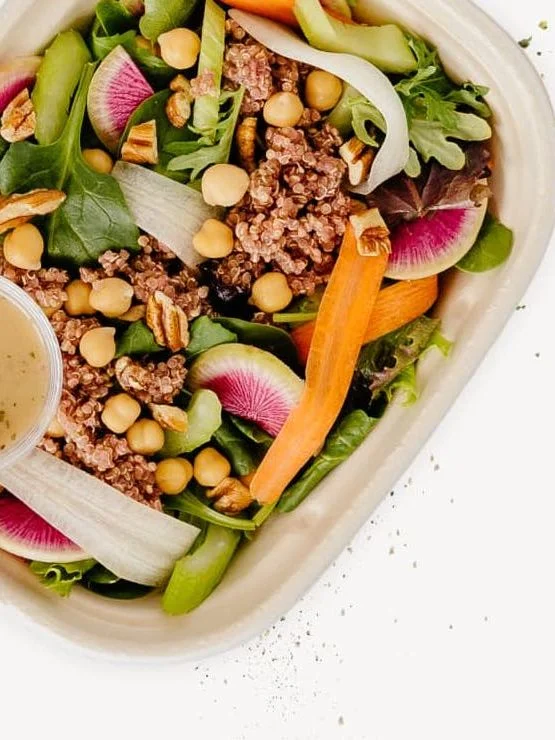
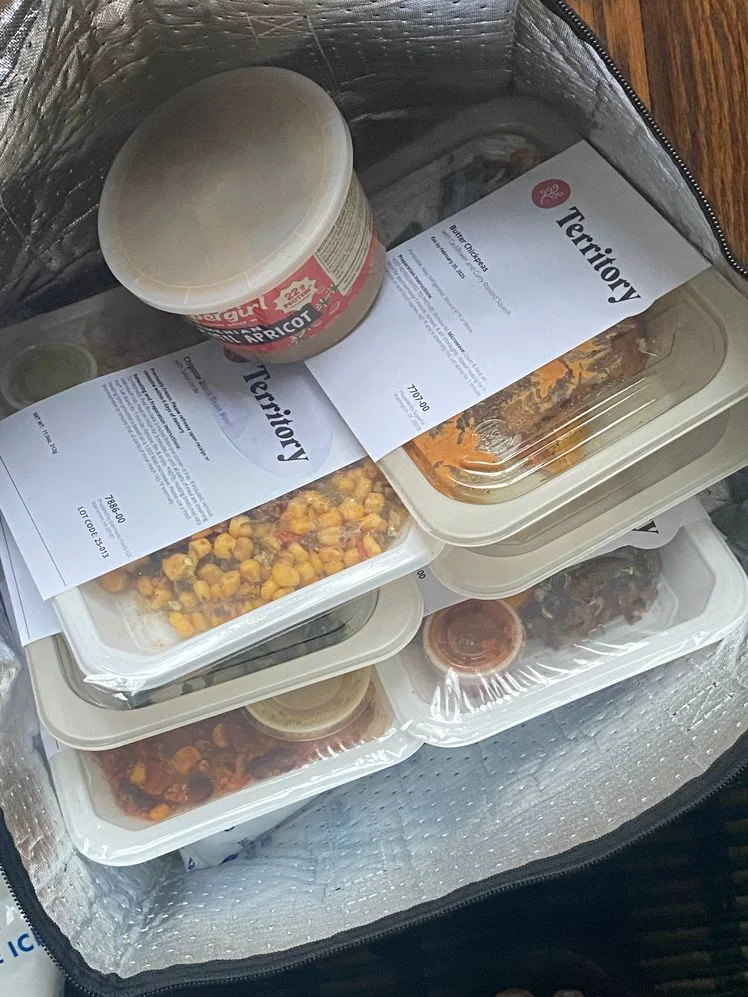
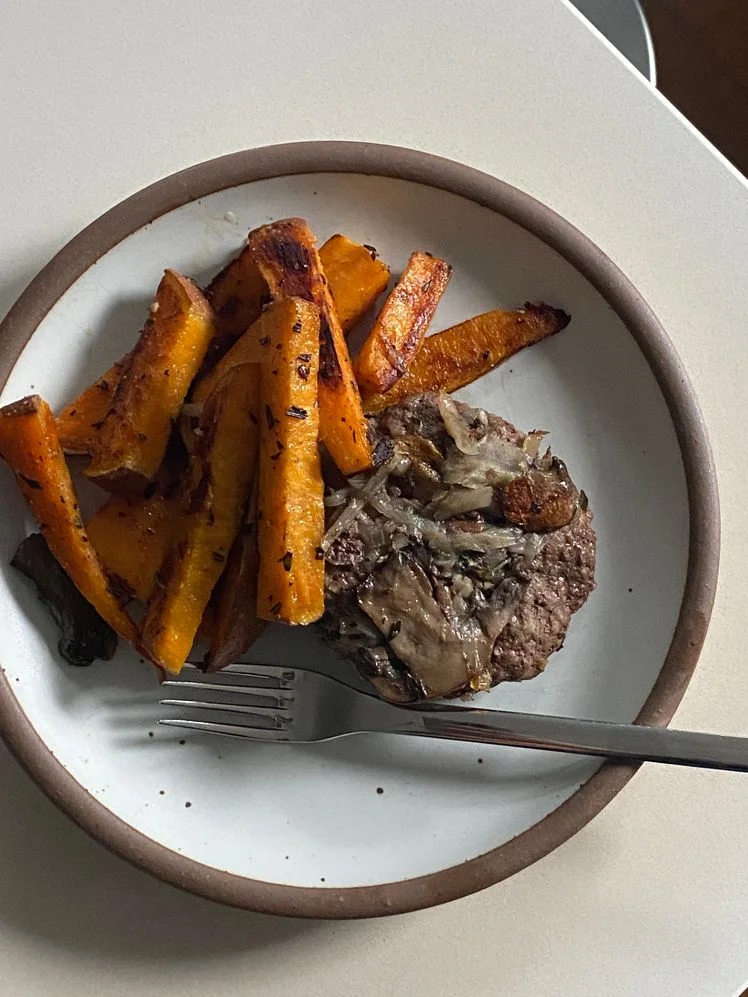
Territory pitches itself as a healthy meal delivery service that works with local chefs and restaurants to supply individually packaged meals. The meals come fully precooked, with reheating instructions on the label, and according to the website, none of the options contain gluten, dairy, or refined sugars. Each meal arrives in a shallow plastic tray to be reheated in the microwave with the lid off or peeled back halfway.
Shilpa Uskokovic, senior Test Kitchen editor and first-time meal kit user, was initially charmed by the concept—precooked, preportioned food in the fridge, ready to reheat with virtually no cleanup. But that novelty wore off quickly. "My curiosity quickly fell off when I realized the food tasted mostly the same (underseasoned) and felt mostly the same," she says, describing a recurring formula of "something stewy with something dry, like rice or quinoa, plus a few token vegetables."
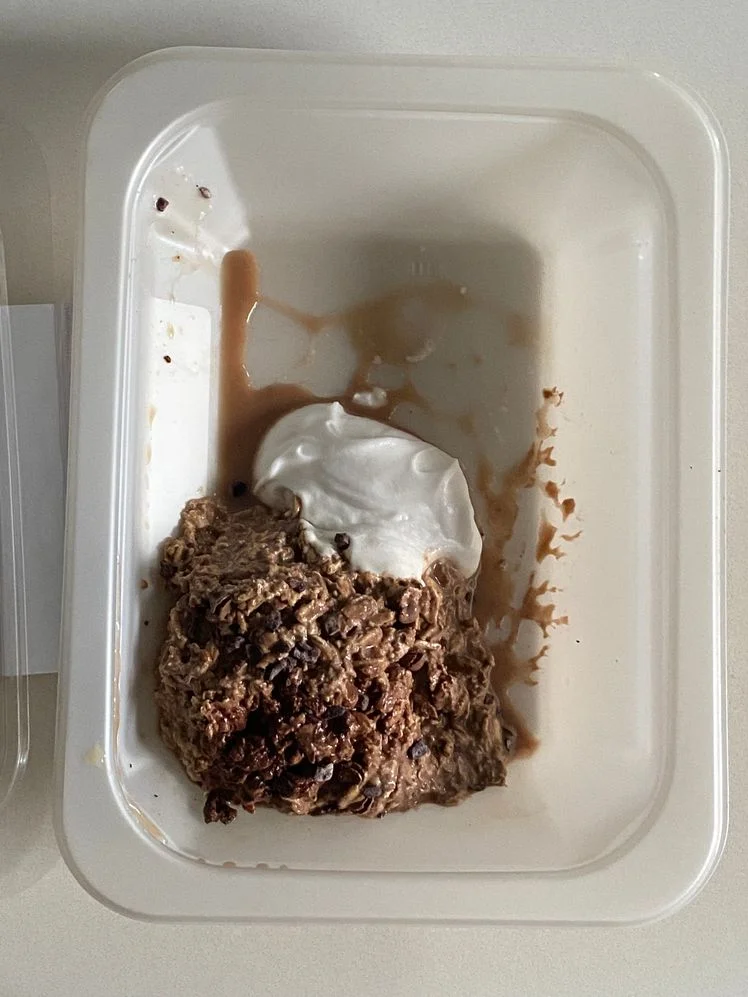
The standouts were few but notable. The mocha overnight oats impressed with their texture—"not too runny, and with none of the slippery feel that overnight oats are susceptible to"—topped with a sweet, creamy coconut yogurt. The Beef Burger with Mushroom Topping and Sweet Potato Wedges fared better once Uskokovic ditched the microwave instructions and finished it in a hot skillet with olive oil, though she wished there had been significantly more mushroom sauce.
The misses, however, outweighed the hits. The Butter Chickpeas with Cauliflower and Squash suffered from dry rice, chewy cauliflower, and a sauce that tasted mainly of clove. The Red Lentil Soup with Apricot she found "too smooth, too plain, too predigested." The Chipotle Black Bean Bowl—quinoa, black beans, corn salsa—was, in her words, "shockingly flavorless." Ultimately, Uskokovic wouldn't order Territory again, though she acknowledges it could work well for someone with specific nutrition goals like high-protein, gluten-free, or paleo eating.
What’s the ordering process like? Ordering was easy and straightforward. You just scroll through the options, and when you see something you like, you can add it to your cart. You can get your food delivered twice a week, and each time you can order up to 12 meals (or up to 24 meals per week).
How was the unboxing experience? The outer packaging is a large insulated bag with two ice pack bricks. Each meal comes in its own clearly labeled plastic tray sealed with plastic film or a lid. Territory claims to collect and reuse the insulated bags on subsequent deliveries.
- Great for nutritional goals
- Super convenient with little to no cleanup involved
- Pretty flavorless
- Everything is stewy, without crisp textures or deeply browned/caramelized flavors
Cumin Club
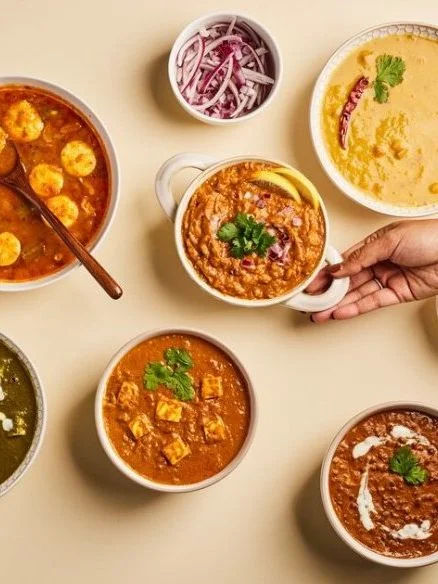
Cumin Club isn’t your typical meal delivery service. It specializes in shelf-stable plant-based Indian meals like curries and lentils or rice-based dishes. All of them come dehydrated, so all you need to do is add water (technically—more on that below). You can mix and match packets at will to make a dinner that comes together, in most cases, in less than 10 minutes.
Senior SEO editor Joe Sevier tested the service and found the packets work better as meal starters than standalone dinners. “I did not care for them as meals on their own—I found that I needed to bulk them up with extra ingredients, and that many of the curries seemed wildly lacking in heft. But once I started using them as the base around which to build a full meal, I quite enjoyed them,” he said.
For a paneer butter masala, Sevier poured the reconstituted sauce around chicken legs before roasting. The packs made easy work of a sauce, even if the proteins still needed their own seasoning. The standout product was the cumin rice: “I would absolutely buy it again if it were available in stores,” said Sevier. “I’m shocked that an instant rice product had such great texture, plus a wonderfully buttery and cumin-forward flavor.”
What’s the ordering process like? The site is a little unclear on what you need to purchase to receive "a full meal." There are a lot of options, but they are all curry adjacent. There is a separate cumin rice packet you can get to go with any of the meals, as well as a roti packet, but no other options—say, noodles—to switch it up. Similarly, the sauces and chutneys only appear after meals have been selected, which could leave anyone unfamiliar with Indian cuisine without much guidance on pairing.
How was the unboxing experience? Each order arrives as a box full of freeze-dried packets—functional, if a little uninspiring. The meals were, by and large, easy to put together. One immediate pain point: the instructions on the back of the packages are very hard to read, with small, tone-on-tone print that Sevier had to photograph and zoom in on just to make out. Not an ideal user experience.
- Very easy to make
- Great as bases around which to build meals
- Not filling enough to be a whole meal themselves
Tempo Meals by Home Chef
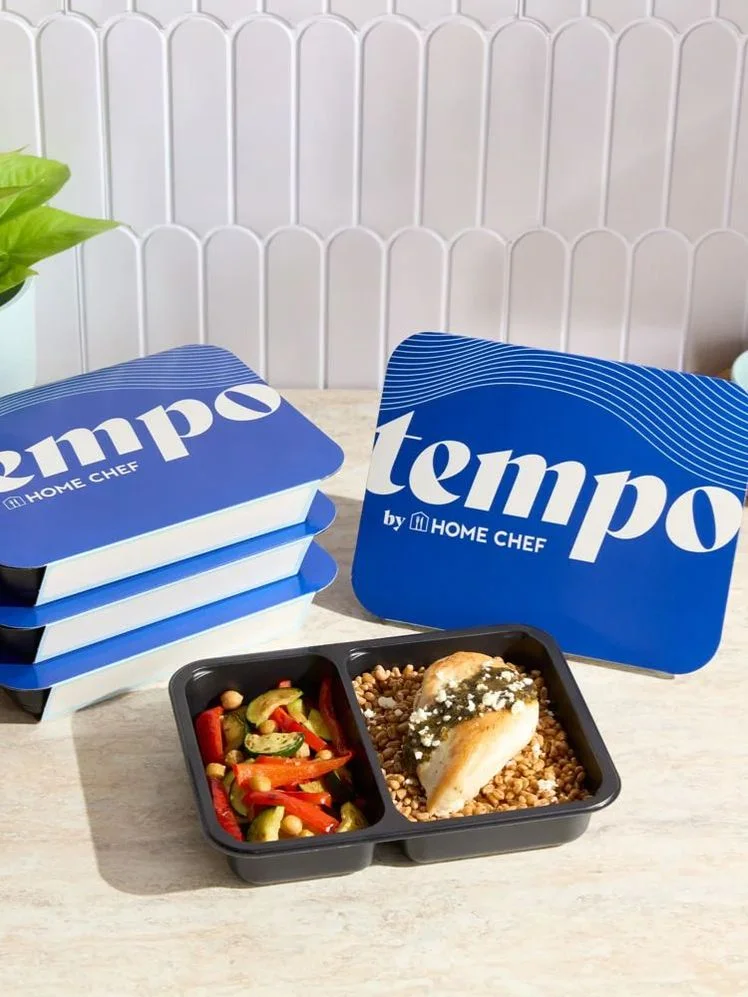
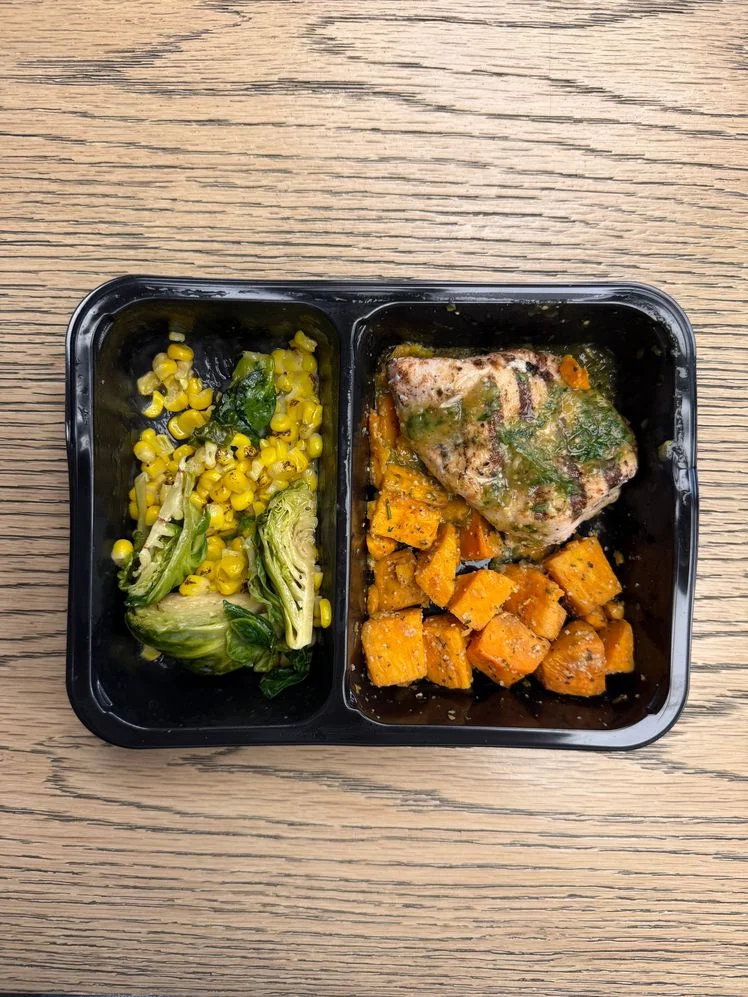
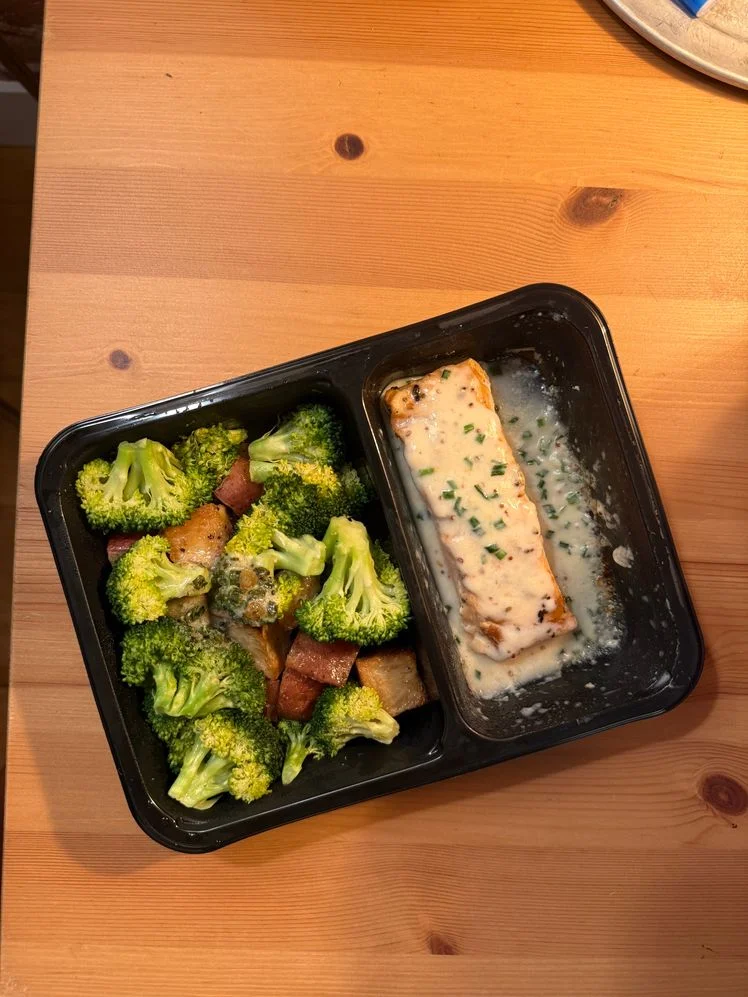
Launched in 2023, Tempo is the first new brand under the Home Chef umbrella. It specializes in single-serve heat-and-eat meals designed with balance and nutrition in mind—as evidenced by the home page, which proudly states that the meals are “Dietitian-Approved.”
Alaina Chou tested Tempo for two weeks and sampled a range of dishes and protein types. All in all, she was pretty impressed. Each meal she tried was well-seasoned, and both looked and tasted fresh, especially for microwave food that comes in a plastic tray. The meals were also balanced, with ample portions of vegetables that left me feeling nourished.
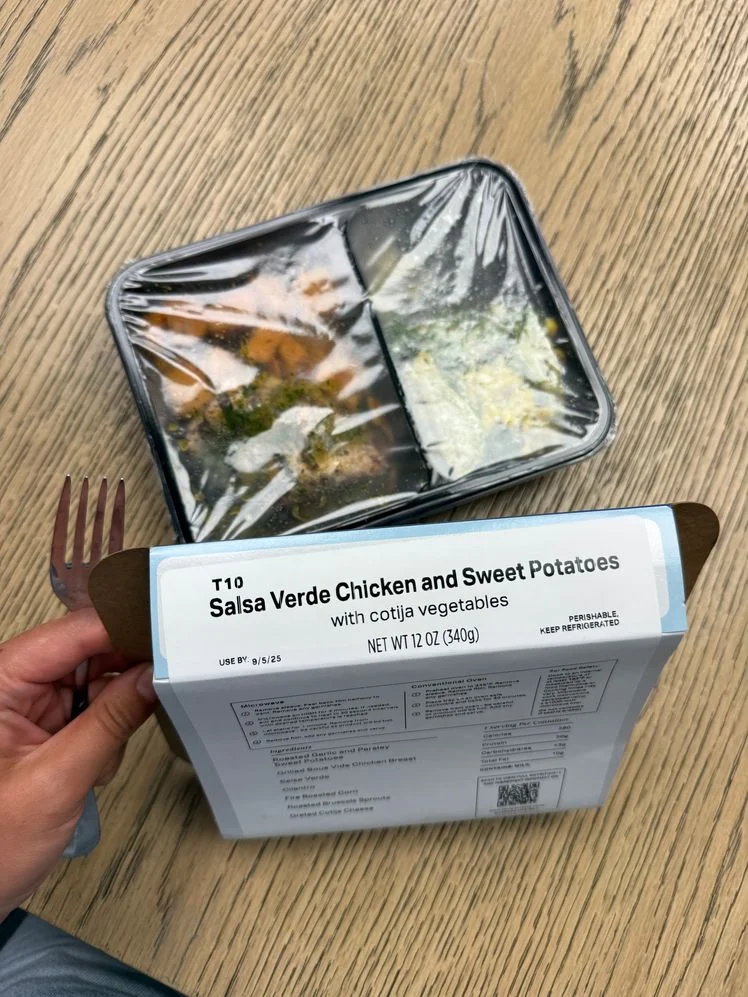
Some favorites were the Chipotle Chicken Tinga Rice Bowl, which featured tender, shreddy chicken, seasoned rice, and a corn and black bean mixture that somehow didn't get mushy; a chicken breast with salsa verde that was juicy and flavorful; and the cavatappi with Italian sausage, in which the pasta held up impressively to the microwave.
What was the ordering process like? The ordering process is much like that of most other meal delivery services: You select from a list of goals, enter dietary preferences, input your delivery and payment info, and then pick from a list of 20 meals. You'll also have the option to add on breakfast, snacks, dessert, or drinks, though the options are limited, with just a few (or sometimes one) product available per category—think La Colombe canned lattes, ready-to-bake skillet cookies, or frozen breakfast sandwiches.
How was the unboxing experience? Meals arrive packed into a box lined with insulation and are sandwiched between ice packs.
- No prep or cooking necessary
- Meals feel balanced, with plenty of veggies
- Meals can feel repetitive
- Not a ton of add-on options
Fresh Meal Plan
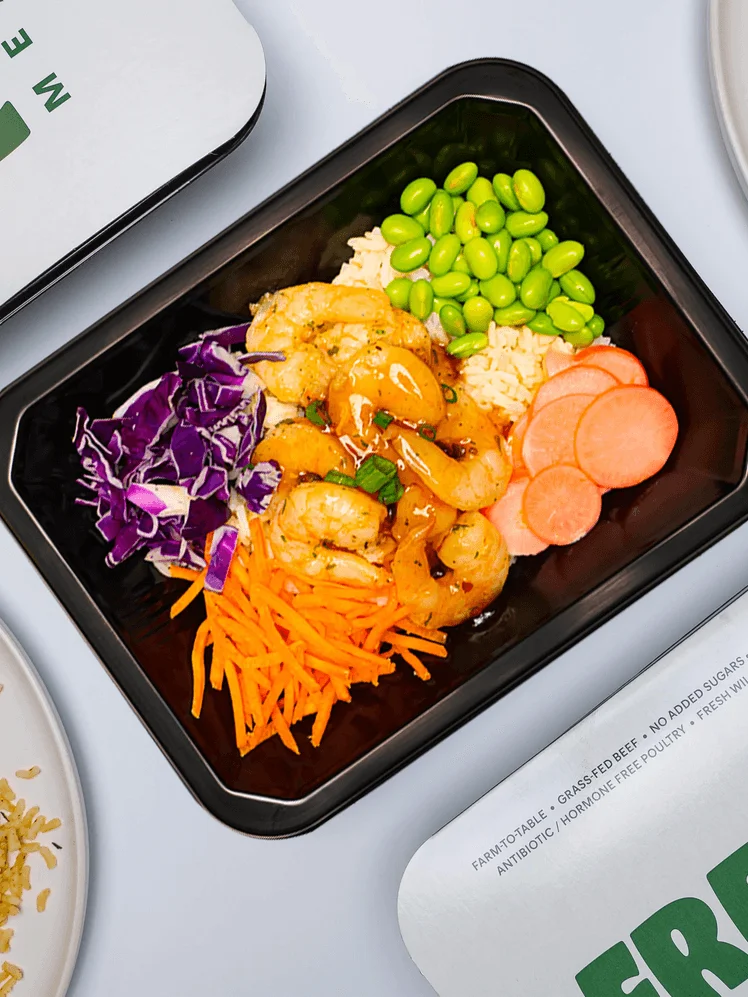
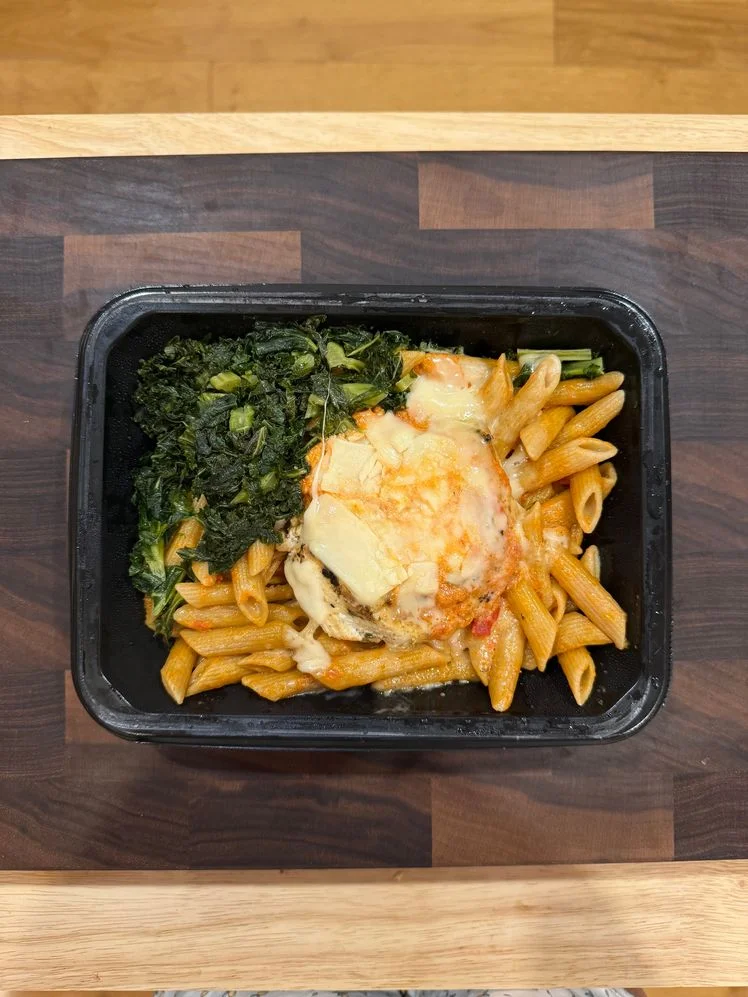
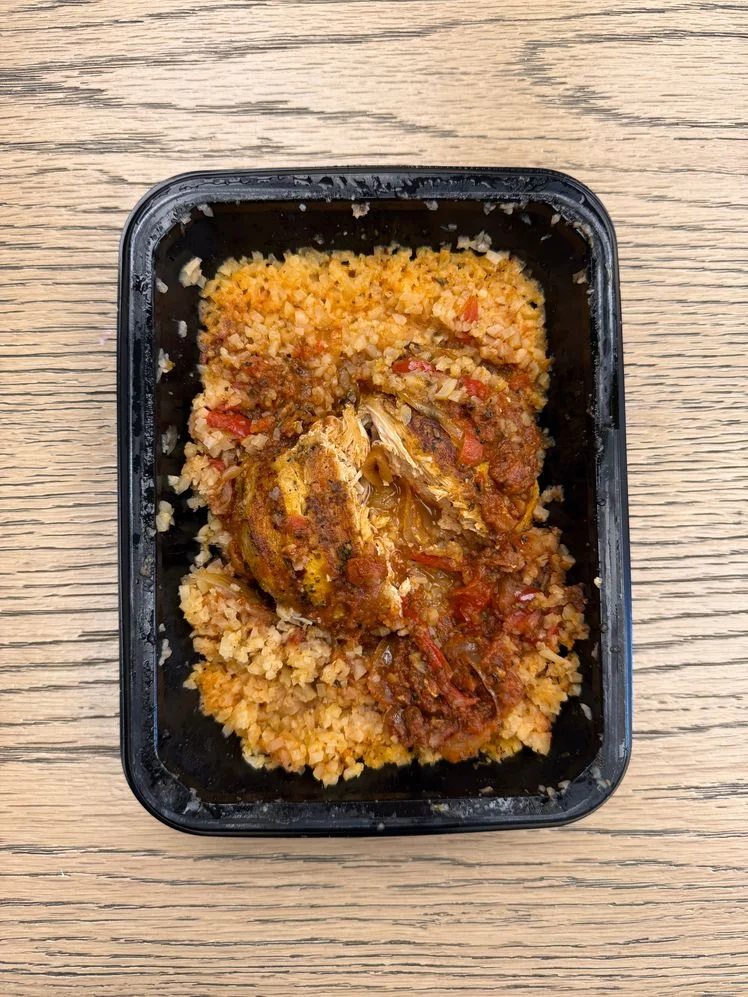
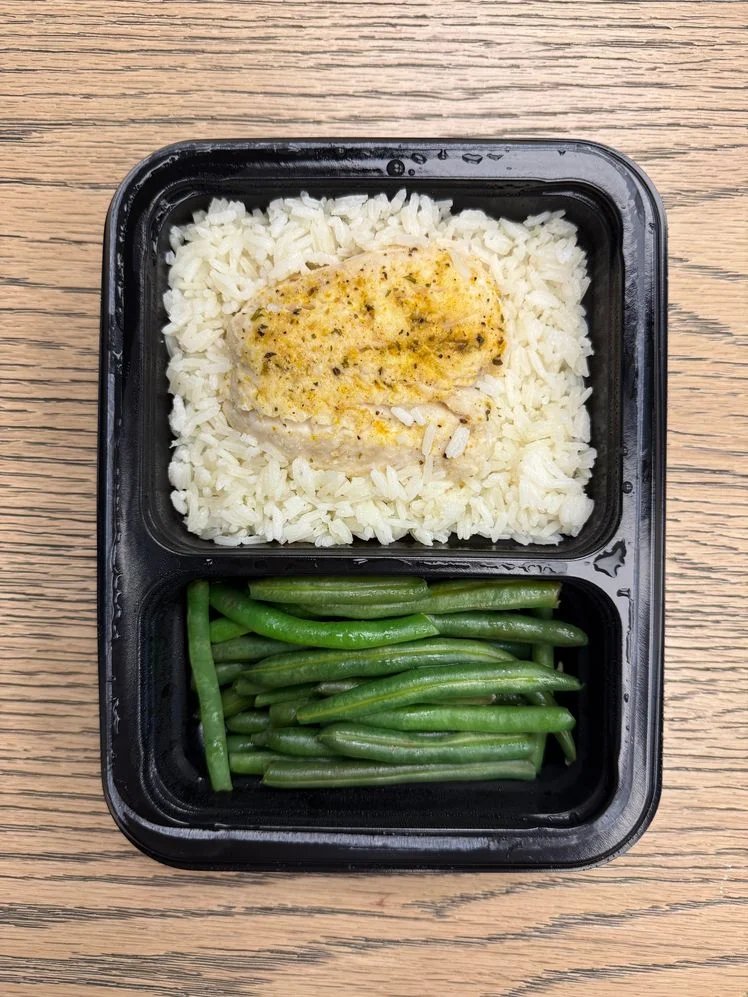
Fresh Meal Plan is a fully prepared meal delivery service specializing in “chef-crafted” and “dietitian-approved” microwavable meals. There’s a definite health and macros-counting bent to the brand’s website and marketing copy, with Lean and Mean and Keto being two of the most prominent meal types after the standard Traditional.
While Fresh Meal Plan certainly feels like it’s marketed to your gym bro-y, eat-to-live archetype, tester Alaina Chou was pleasantly surprised by the service. “The meals tasted fresh, were well-seasoned, and had an impressive amount of protein (we’re talking 30-plus grams for most dishes),” she says. She appreciated that there were some 60-odd menu items to choose from each week, and that each meal had ratings and reviews—a feature I’ve only ever seen before with CookUnity.
There was one major miss in Chou's order (a piece of tough and fishy-tasting cod paired with green beans that were on their last legs), but there were several hits, like a juicy lemon thyme chicken that came with perfectly cooked asparagus and sweet potato, and an Argentinean steak with a very tasty plantain mash.
What was the ordering process like? The ordering process is straightforward: Just choose your plan (an order minimum of 6, 10, or 14 meals per week on subscription or a onetime order of at least 8 meals), then scroll through the menu and add whatever you’d like to your cart. The main menu page features photos and basic macronutrient information for each meal, but you can click in to view a full description, nutrition info, and reviews. You can also choose to many any meal XL for an extra $3.
How was the unboxing experience? Chou's Fresh Meal Plan meals arrived on time in an insulated box lined with ice packs. Each meal comes in a labeled plastic microwavable tray.
- Lots of high-protein options
- Option to make meals XL
- Reviews for each meal
- Most dishes are simple and lack creativity
- Quality was hit or miss
Gardencup
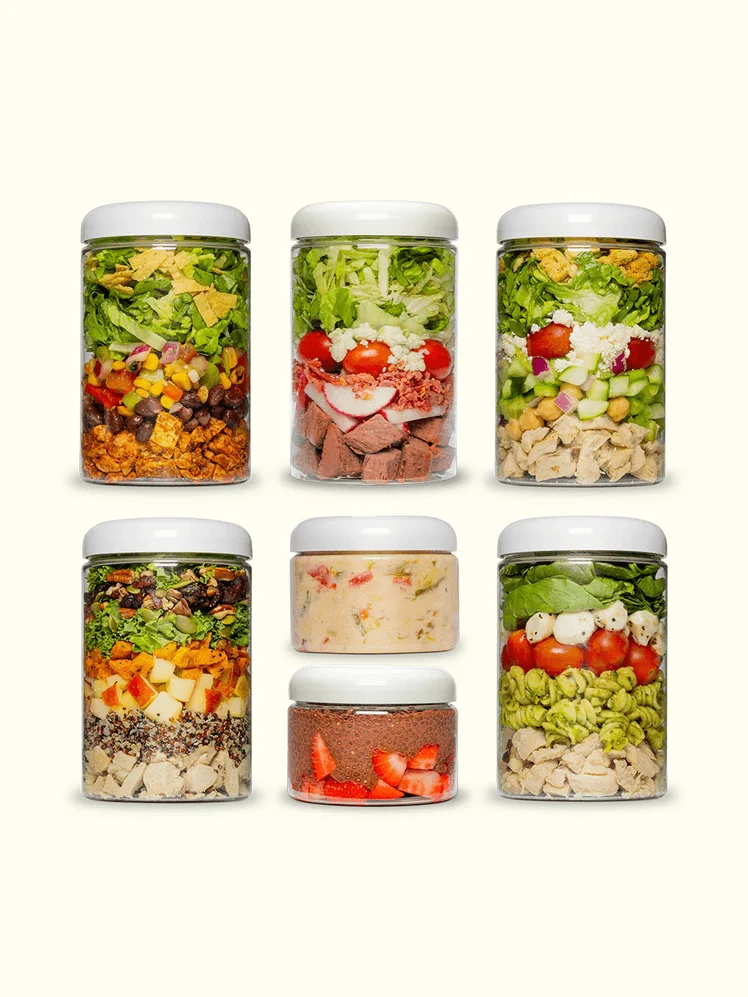
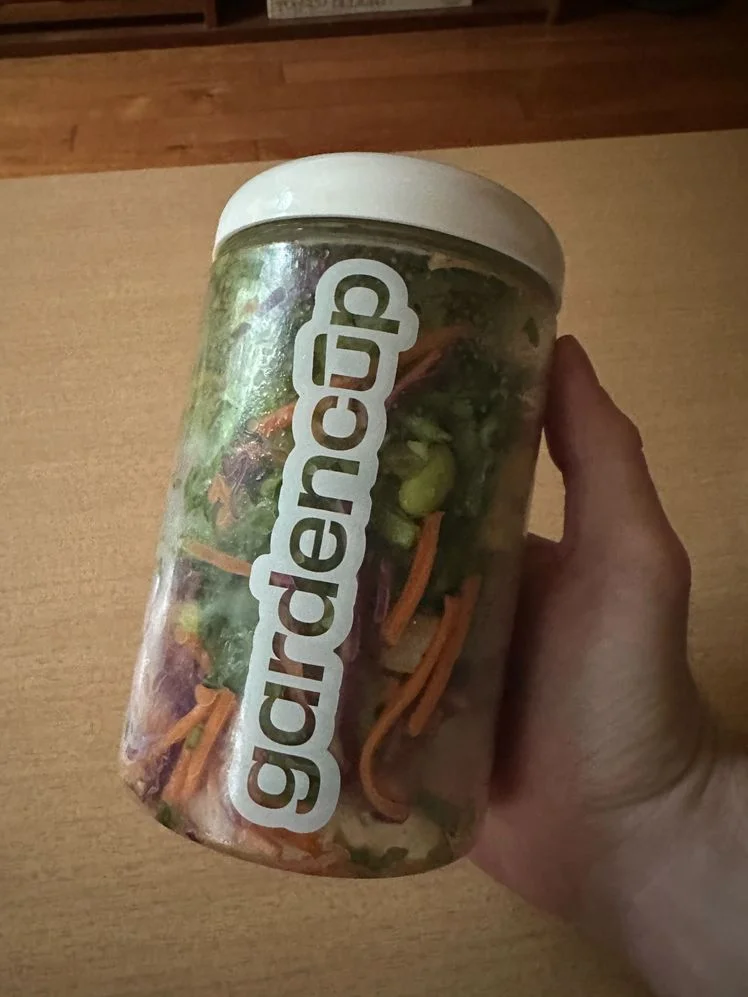
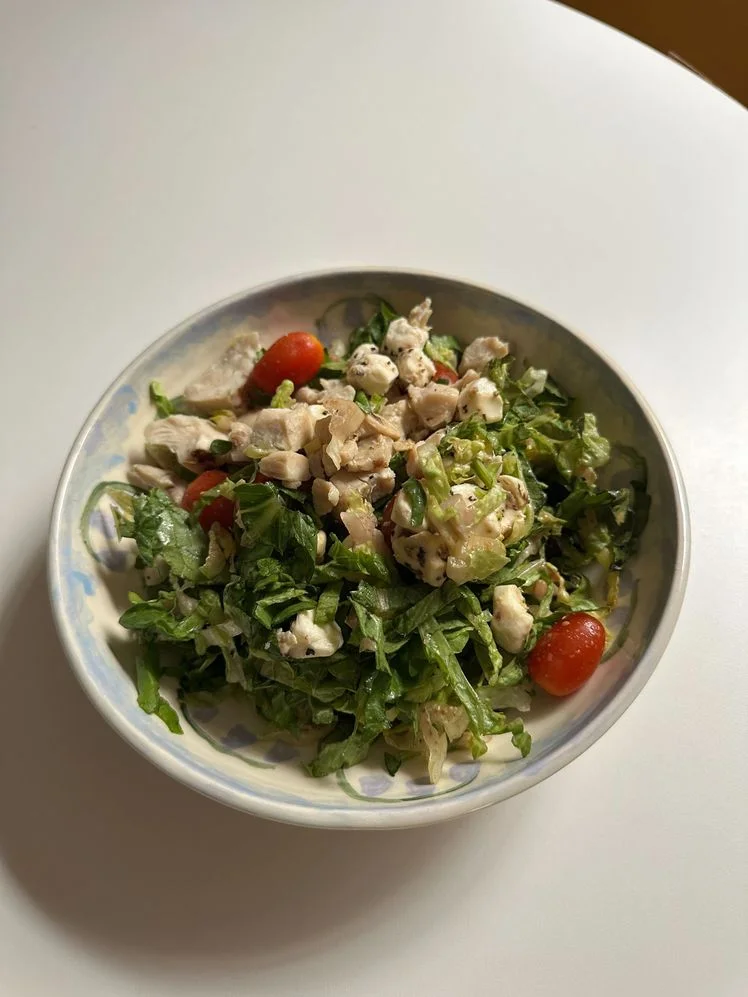
Gardencup offers a selection of salads and bowls packaged in jars, the idea being that they’re easy to take on the go. When it’s time to eat, simply add your dressing, give the whole thing a shake, and enjoy.
Gardencup’s menu feels familiar but crowd-pleasing—think Caesar, Cobb, Southwest chicken, and wedge salads. Commerce writer Wilder Davies notes that “they are generous with the meat, with the salads averaging around 30 grams of protein, which left me feeling full by the time I finished eating.”
Despite a couple days in transit, Davies's Gardencups arrived fresh—and even when he got to his last salad five days after delivery, it was still in pretty good shape. “Since the assorted crunchy toppings and dressing are in their own packaging, you don’t have to worry about things getting soggy,” he writes.
“I think Gardencup appeals to anyone desiring convenience, familiarity, and consistency in meals. The menu isn’t extensive,” he says, noting that there were only 13 salads and six Powercup bowls available the week he tested. “But I think that’s enough variety to keep things a bit mixed up throughout the weeks without getting too bored,” he writes.
Davies notes that while Gardencup does have vegetarian and vegan options, these felt significantly less substantial to him than the offerings that contained meat.
What was the ordering process like? Placing a Gardencup order is easy. Unlike many of the meal delivery services on this list, Gardencup doesn't require you to enter your address and payment info before seeing a menu. Instead, you’ll just choose the shipping frequency and number of salads in your order (six or nine), then add your selections to your cart and proceed to checkout. Should you choose to add additional items like soups or snack cups, they’ll each take up a half of a salad’s worth of slots in your order.
How was the unboxing experience? Gardencup ships its orders out from Texas using UPS Second Day Air. Each order is packed in an insulated cardboard box with a large ice pack at the bottom, and Gardencup will even refund your order if that cold pack is completely thawed on arrival.
- Fresh ingredients
- Generous amount of protein in the meals that contained meat
- Convenient for lunches on the go
- Vegetarian/vegan salads don’t feel as substantial
- Cups can be hard to adequately shake up without transferring to a bowl
Frequently asked questions (FAQ)
What is the best meal delivery service?
The best meal delivery service for you will depend heavily on your personal needs and preferences. But if you’re looking for a traditional box-of-ingredients-style kit, Home Chef is a great place to start. It's our top choice for most people thanks to its diverse menu, extensive customization, and flexibility in accommodating various dietary needs.
What kinds of meal kits are there?
There are three main types of meal kits out there. Some, like Hungryroot, are curated grocery deliveries that come with recipes that you can choose to make—or not make. Others come only with specific preportioned ingredients designed to make one recipe for two to four people. And finally, there are fully premade meals that need to be popped into the oven or microwave. Of course, some meal kits are designed specifically to fit certain dietary restrictions. Then there are meal delivery services that allow you to mix and match all of the above.
How do you choose the best meal kit for you?
All of these styles of meal kits have their pros and cons, and the right one for you depends heavily on your lifestyle at the given moment that you’re shopping. So whether you’re looking for a subscription service that meets specific dietary needs, prioritizes high-quality ingredients and truly fresh meals, or offers a good selection of budget-friendly healthy meals, you’ll surely find your match in the options above.
We tried to assess the meal kits against the problems they were trying to solve for home cooks rather than straightforwardly pitting them against one another. Because a premade meal is never going to be as fresh as one you make from a kit—but it will be a lot easier, if that’s what you’re looking for. We have yet to find an affordable option that compares to the higher end meal kits on this list, but our top budget pick is still a good option for those who are budget-constrained but interested in trying out a meal delivery service.
If you’re looking for more specific meal kit requirements, read our list of the best vegetarian meal kits, the best healthy meal kits, the cheapest meal kits, and the best prepared meal kits.
Is there a difference between meal kits and meal delivery services?
A meal kit is to a meal delivery service as a square is to a rectangle—which is to say, every meal kit is a meal delivery service, but not every meal delivery service is a meal kit. Meal kits typically refer to boxes of ingredients that need assembling, whereas meal delivery services also encompass premade meals.
How much do meal delivery services cost per serving?
Cost will vary service to service, but the ones on this list range from $8 per serving to around $30.
How easy is it to cancel meal delivery services or skip a week?
This will also depend on the service at hand, but in general, most meal delivery services give you the option to pause your subscription if you need to skip a week—you just have to make sure to do so before that week’s order cutoff date.
Meal delivery services are also notorious for making it difficult to cancel your subscription, but there is always a way to do so. You should find a button to cancel in your account settings, but when in doubt, we suggest contacting customer service to assist you (because those cancel buttons can really be buried sometimes!).
Are meal delivery services worth it?
Meal delivery services ask you to pay a premium for convenience. If the time and energy (both mental and physical) saved by not needing to meal plan or grocery shop feel worth the extra dollars per serving of food, then subscribing to one of these services is absolutely worth it. They may also be worth considering if you have dietary restrictions that make weekly meal planning that much harder.